
Swan Hellenic Launches Six Explore Space at Sea Cruises with SETI Scientists Across Global Destinations in 2027

Published
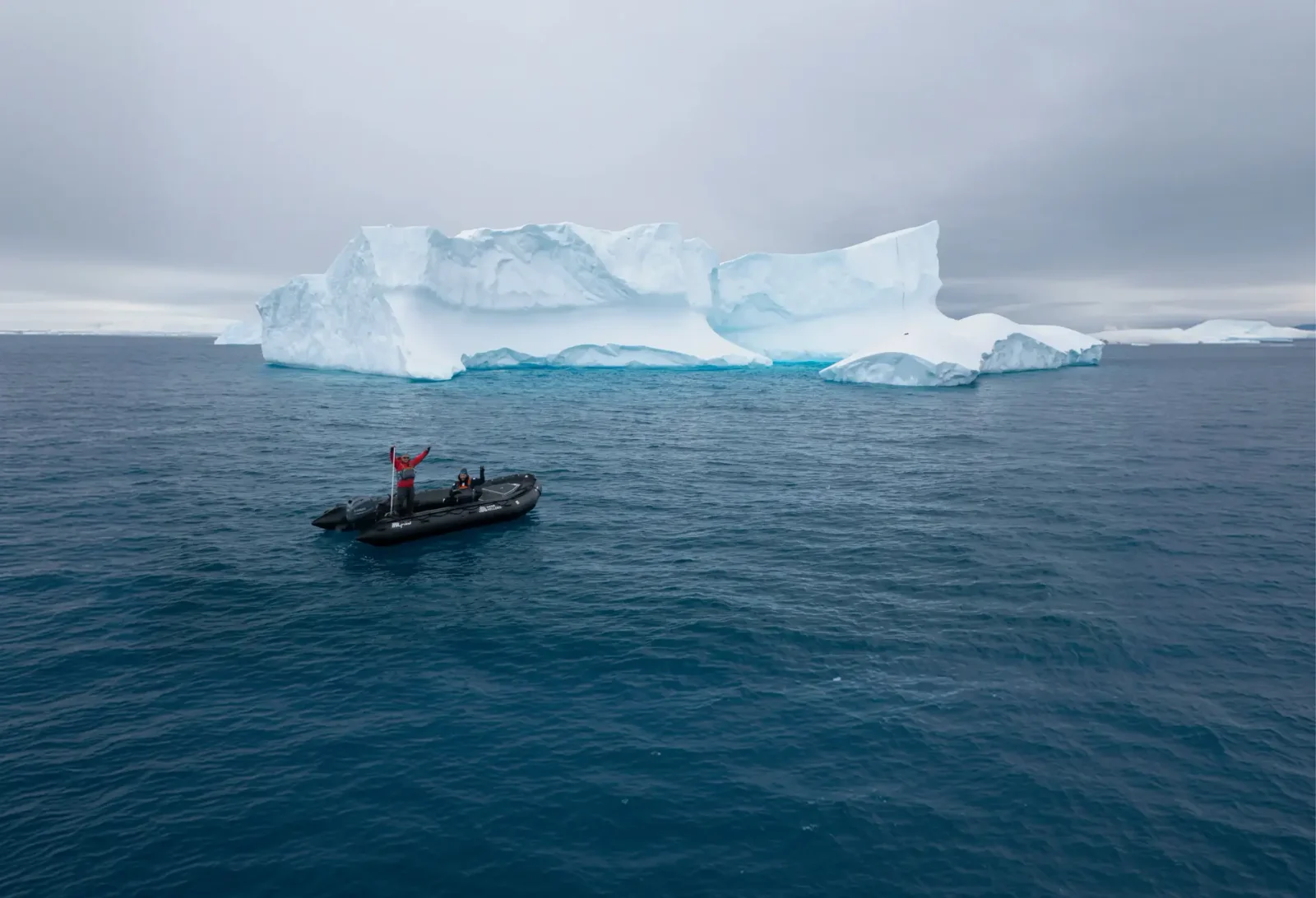
Swan Hellenic has announced six Explore Space at Sea 2027 expedition cruises featuring scientists associated with the SETI Institute, combining international voyages with expert-led discussions about astronomy, planetary science and the search for life beyond Earth. Announced on 15 October 2026, the programme will operate between March and November 2027, taking guests across the Pacific Islands, Patagonia, West Africa, the North Atlantic, the Arctic and Antarctic regions. Each voyage will feature a different scientific specialist, giving passengers opportunities to explore space-related discoveries while travelling through some of the world’s most distinctive maritime destinations.
Swan Hellenic Explore Space at Sea 2027: What Has Been Announced?
Swan Hellenic’s latest programme marks the fifth year of its collaboration with the SETI Institute, a scientific organisation involved in research into extraterrestrial intelligence and related fields of space science.
Advertisement
Advertisement
The 2027 series will feature six specialists accompanying six cultural expedition cruises aboard SH Minerva, SH Vega and SH Diana.
Each scientist will join a different itinerary, sharing knowledge from fields including astronomy, astrophysics, astrobiology and planetary exploration.
Advertisement
Advertisement
The concept brings together two forms of exploration: visiting destinations around the world and examining scientific questions about the wider universe.
Unlike a conventional cruise entertainment programme, Explore Space at Sea is designed around access to scientific expertise.
Advertisement
Advertisement
Passengers will be able to learn about planetary environments, astronomical research and the methods scientists use to investigate the possibility of life beyond Earth.
However, the announcement does not specify the number of lectures, individual session timings or whether particular activities will be offered on every voyage.
Advertisement
Advertisement
Six Swan Hellenic Voyages Will Feature SETI Institute Experts in 2027
The programme covers six itineraries operating between 21 March and 18 November 2027.
Each voyage features a different scientist and geographical region.
| Voyage and route | Dates in 2027 | Ship | Featured expert |
|---|---|---|---|
| Pacific Islands: Auckland to Honiara | 21 March–3 April | SH Minerva | Ross Beyer |
| Patagonia and Falkland Islands: Ushuaia to Montevideo | 25 March–8 April | SH Vega | Uma Gorti |
| West Africa and Atlantic Islands: Dakar to Lisbon | 5–14 May | SH Diana | Derek Kozel |
| Canada to Iceland: Halifax to Reykjavík | 20–31 May | SH Vega | Bill Diamond |
| Iceland to Svalbard: Reykjavík to Longyearbyen | 31 May–10 June | SH Vega | Megan Seritan |
| South Africa to Antarctica: Cape Town to Ushuaia | 29 October–18 November | SH Diana | Janice Bishop |
Source: Swan Hellenic’s 2027 Explore Space at Sea programme.
The schedule places scientific programming aboard voyages operating in both hemispheres, with destinations spanning tropical islands, Atlantic coastlines and polar regions.
Advertisement
Advertisement
Travellers can select a sailing based on their preferred geography, available travel dates or interest in a particular scientific discipline.
Pacific Islands Expedition Brings Planetary Science from Auckland to Honiara
The first announced voyage departs Auckland, New Zealand, on 21 March 2027 and concludes in Honiara, Solomon Islands, on 3 April.
Operating aboard SH Minerva, the itinerary is titled Cruising the Pacific Islands: New Caledonia, Vanuatu and Solomon Islands.
Ross Beyer, a planetary scientist associated with the SETI Institute’s Carl Sagan Center, will accompany the voyage.
His scientific background provides an opportunity for guests to learn about planetary environments and the research techniques used to study other worlds.
The cruise’s geographical setting also introduces passengers to a region characterised by island landscapes, ocean environments and distinctive Pacific cultures.
Advertisement
Advertisement
The combination of destination exploration and scientific discussion is central to Swan Hellenic’s programme.
The company has not published a detailed schedule of Beyer’s onboard presentations in the supplied announcement.
Patagonia and Falkland Islands Voyage Features Astrophysics Expertise
A second expedition begins in Ushuaia, Argentina, on 25 March 2027 and concludes in Montevideo, Uruguay, on 8 April.
The itinerary, Patagonia and the Wild Atlantic: Cruise to the Falkland Islands, will operate aboard SH Vega.
Uma Gorti, chair of astronomy and astrophysics at the SETI Institute’s Carl Sagan Center, will join the sailing.
Her participation introduces expertise in astronomy and astrophysics to a voyage focused on the southern Atlantic region.
Advertisement
Advertisement
The itinerary connects destinations associated with Patagonia and the Falkland Islands, providing a different travel experience from the tropical Pacific programme.
For passengers interested in both scientific learning and regional exploration, the voyage offers an opportunity to combine these interests within a single holiday.
Specific onboard activities and any planned astronomical observation sessions have not been detailed in the announcement.
West Africa and Atlantic Islands Cruise to Explore Space Science from Dakar to Lisbon
The third Explore Space at Sea voyage will travel from Dakar, Senegal, to Lisbon, Portugal, between 5 and 14 May 2027.
Operating aboard SH Diana, the itinerary is titled West Africa Coast and Atlantic Islands.
Derek Kozel, principal investigator of the GNU Radio Project, is scheduled to accompany passengers.
Advertisement
Advertisement
His involvement introduces a specialist perspective on radio technology and scientific instrumentation.
Radio astronomy is an important part of the wider search for extraterrestrial intelligence because researchers use radio observations to investigate signals from space.
The SETI Institute’s work also extends into planetary science, astrobiology and other disciplines concerned with understanding life in the universe.
The Dakar-to-Lisbon voyage combines a transregional Atlantic itinerary with scientific discussions, although the announcement does not identify Kozel’s specific lecture subjects.
Canada to Iceland Expedition Will Feature SETI Institute President Bill Diamond
A North Atlantic expedition aboard SH Vega will depart Halifax, Canada, on 20 May 2027 and conclude in Reykjavík, Iceland, on 31 May.
The voyage, From Canada to Iceland Along the Viking Routes, will feature Bill Diamond, president and chief executive of the SETI Institute.
Advertisement
Advertisement
Diamond has previously participated in Swan Hellenic’s science-focused cruise programme, providing guests with perspectives on the search for life beyond Earth.
The institute’s earlier partnership announcements identify scientific outreach and public engagement as important parts of its mission.
The 2027 itinerary combines North Atlantic exploration with opportunities to learn about the scientific questions driving research into extraterrestrial life.
Its Viking-route theme also introduces a historical dimension to the journey, connecting maritime exploration with contemporary scientific discovery.
Iceland to Svalbard Cruise Brings Planetary Research into the Arctic
SH Vega will continue with another science-themed expedition, departing Reykjavík on 31 May and arriving in Longyearbyen, Svalbard, on 10 June 2027.
Megan Seritan, deputy manager of the Ring-Moon Systems Node within NASA’s Planetary Data System at the SETI Institute, will accompany the voyage.
Advertisement
Advertisement
Her professional background connects the programme with planetary data and the study of systems involving planets, rings and moons.
Svalbard’s Arctic setting provides an interesting geographical context for discussions about planetary environments.
Scientists studying icy worlds elsewhere in the solar system investigate questions about surface conditions, geological processes and the possibility of habitable environments.
Previous SETI Institute expedition programming has explored comparisons between Arctic landscapes and icy planetary bodies.
However, the specific subjects Seritan will present during the 2027 sailing have not been confirmed in the supplied announcement.
South Africa to Antarctica Expedition Will Feature Planetary Exploration Specialist
The final announced Explore Space at Sea voyage will operate aboard SH Diana from 29 October to 18 November 2027.
Advertisement
Advertisement
The itinerary, South Atlantic Cruise: From South Africa to Antarctica, begins in Cape Town, South Africa, and concludes in Ushuaia, Argentina.
Janice Bishop, chair of planetary exploration at the SETI Institute’s Carl Sagan Center, will accompany passengers.
Her participation connects the voyage with planetary research, an area that examines the physical and chemical characteristics of other worlds.
Antarctica has particular relevance to astrobiology because researchers investigate extreme environments on Earth to better understand the conditions under which life might survive elsewhere.
The SETI Institute identifies research in remote terrestrial environments as one approach to studying habitability beyond Earth.
The cruise therefore brings together polar exploration and scientific education, although specific research demonstrations and Antarctic landing arrangements have not been detailed for this sailing.
Advertisement
Advertisement
Why This Matters
Swan Hellenic’s 2027 programme illustrates how expedition cruising is expanding beyond destination sightseeing into specialist educational travel.
By placing scientific researchers aboard selected voyages, the company offers passengers opportunities to engage with subjects that are rarely central to conventional cruise programmes.
The partnership also provides the SETI Institute with a platform for public engagement, allowing researchers to explain complex scientific questions to international audiences.
For the cruise industry, the programme represents a differentiated form of enrichment-led travel, combining destination experiences with access to scientific expertise.
The six voyages also demonstrate the geographical reach of this approach, from the Pacific Islands and Atlantic coastlines to Arctic and Antarctic regions.
However, Swan Hellenic has not released booking figures or passenger-demand forecasts specifically for the 2027 series. Its commercial impact therefore remains unquantified.
Advertisement
Advertisement
What Travellers Should Know
Travellers considering the 2027 Explore Space at Sea series should select their voyage according to destination preferences, sailing dates and the accompanying scientist.
The programme offers six different routes, but passengers should not assume that every ship will carry the same specialist or provide identical scientific activities.
Before Booking
- Confirm the sailing: Each of the six announced itineraries features a different scientific guest.
- Check departure and arrival ports: Several voyages begin and end in different countries.
- Review travel documents: Passport, visa and entry requirements depend on nationality and itinerary.
- Verify scientific programming: Individual lecture schedules and demonstration arrangements should be confirmed with Swan Hellenic.
- Check expedition conditions: Polar and remote-region activities may be affected by weather and operational considerations.
- Confirm pricing: The supplied announcement does not specify fares, cabin availability or additional charges.
Travellers can review the programme through Swan Hellenic’s official SETI science cruises page.
Frequently Asked Questions
How many Swan Hellenic Explore Space at Sea cruises are scheduled for 2027?
Six cruises have been announced, each featuring a different scientific specialist.
When will the 2027 Explore Space at Sea programme operate?
The first voyage begins on 21 March 2027, while the final announced expedition concludes on 18 November 2027.
Which ships will host the SETI Institute experts?
The programme will operate aboard SH Minerva, SH Vega and SH Diana.
Advertisement
Advertisement
What scientific subjects will passengers explore?
The programme covers astronomy, astrophysics, astrobiology, planetary science and the search for life beyond Earth. Specific presentations will depend on the accompanying expert.
Where can passengers find booking information?
Travellers can consult Swan Hellenic’s official website or an authorised travel adviser for itinerary details, current availability and booking conditions.
Closing Update: Science-Focused Expedition Cruising Expands Across Six Global Routes
Swan Hellenic’s 2027 Explore Space at Sea programme will bring six scientific specialists aboard six expedition cruises spanning the Pacific, Atlantic and polar regions.
The series continues the company’s partnership with the SETI Institute, which began in 2022, and combines cultural exploration with opportunities to learn about contemporary space research.
For travellers, the programme offers a choice of destinations and scientific perspectives, from planetary research in the Pacific to astrophysics in the South Atlantic and planetary exploration during an Antarctic expedition.
The principal details still requiring confirmation are individual lecture schedules, onboard activities, fares and availability.
With departures scheduled between March and November 2027, the series provides another example of how specialist knowledge is becoming part of the expedition cruise experience.
Advertisement
