
Japan Faces a Shared Threat with the Philippines and Other Pacific Nations as Super Typhoon Champi Raises Travel Fears

Published
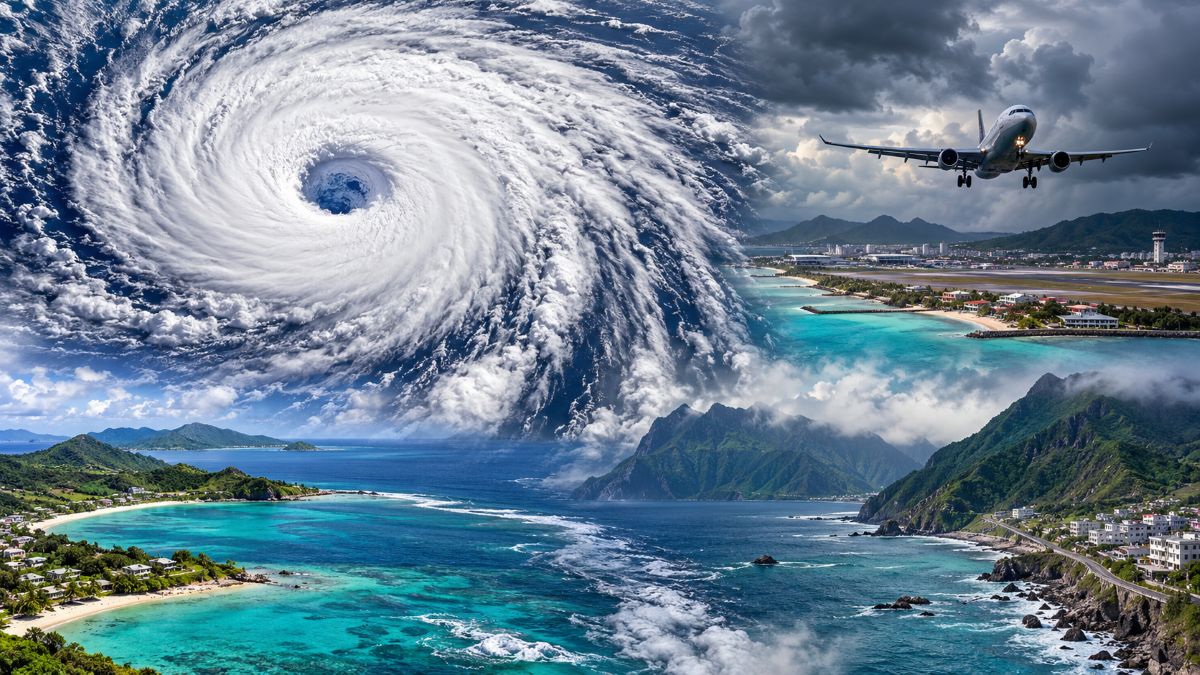
Super Typhoon Champi is advancing across the western North Pacific with potentially destructive consequences for Japan’s Okinawa islands, Taiwan and regional air and sea travel. The storm’s extraordinary eye, reportedly wider than Rhode Island, has highlighted its exceptional intensity. A US National Weather Service advisory issued on 21 October reported maximum sustained winds of 180 mph. Meanwhile, forecasts point towards the waters near Taiwan and Japan’s southwestern islands. The storm could disrupt flights, ferries, cruises and coastal excursions through the weekend. Travellers should prioritise official warnings, flexible bookings and evacuation instructions over sightseeing plans or assumptions about the storm’s eventual path.
Which Regions Face the Greatest Travel Risks?
The most immediate concerns centre on the southern Ryukyu Islands, including the Yaeyama island group in Okinawa Prefecture. Taiwan also faces potential disruption, particularly along its eastern and northern coasts. However, the precise distribution of dangerous winds and rainfall depends on Champi’s evolving track.
Advertisement
Advertisement
The Hong Kong Observatory’s 21 October forecast projected movement towards the seas east of Taiwan. It anticipated a weakening trend later in the forecast period. Weathernews also identified the Sakishima Islands and surrounding maritime routes as important areas to monitor. These projections support heightened vigilance, rather than a blanket assumption that every destination will experience a direct strike.
| Destination or region | Principal concern | Travel implications |
|---|---|---|
| Ishigaki and Yaeyama Islands, Japan | Destructive winds, torrential rain and dangerous seas | Possible flight cancellations, ferry suspensions and resort disruption |
| Taketomi Island, Japan | Exposure to severe weather near the storm’s projected route | Boat transfers and outdoor activities could become unsafe |
| Miyakojima, Japan | Strong winds, rough seas and heavy rainfall | Airport operations and inter-island transport may be affected |
| Okinawa’s main island, Japan | Changing wind and rain conditions as the storm moves north | Monitor Naha Airport, local transport and excursion notices |
| Eastern and northern Taiwan | Heavy rain, high waves and potential strong winds | Rail, road, aviation and coastal tourism disruption |
| Northern Taiwan and Keelung | Track-dependent wind and rainfall risks | Port operations, cruises and coastal activities may change |
| Northern Luzon, Philippines | Possible proximity effects, depending on the track | Monitor rainfall, maritime warnings and regional connections |
| Kyushu and western Japan | Possible later effects as the system turns and weakens | Weekend flight disruption and rain remain possibilities |
| Guam and the Northern Mariana Islands | Earlier exposure during Champi’s westward passage | Check for residual disruption to flights and island connections |
The table identifies areas requiring heightened attention, not confirmed impacts at every location. Forecasts may change, and local authorities can issue different warnings as conditions evolve.
Advertisement
Advertisement
Why Champi’s Giant Eye Matters Beyond the Satellite Images
The storm’s enormous eye makes compelling imagery, but it also illustrates the scale of the atmospheric system surrounding it. The eye can appear relatively calm while the eyewall contains the most violent winds. That apparent calm does not make the centre safe for aircraft, vessels or people outdoors.
The supplied report describes sustained winds reaching 185 mph during Champi’s peak intensity. The National Weather Service subsequently reported 180 mph sustained winds in its 21 October advisory. These figures reflect different reporting times and should not be treated as contradictory measurements of one moment.
Advertisement
Advertisement
Champi’s strength developed over exceptionally warm seas. The original report cited ocean temperatures of 86–88°F (30–31°C) and weak upper-level winds. Such conditions can support rapid tropical cyclone intensification. However, the storm’s future strength also depends on its track, surrounding atmospheric conditions and interaction with land.
How Flights, Ferries and Cruises Could Be Affected
For visitors, the immediate concern extends beyond a direct landfall. An airport can experience disruption even when the storm’s centre remains offshore. Crosswinds, heavy rain, restricted ground operations and safety assessments can all affect schedules.
Island destinations face an additional challenge because their transport networks depend heavily on aircraft and ferries. When seas become dangerous, operators may suspend services before the strongest winds arrive. Consequently, travellers with onward boat transfers or remote-island accommodation should make contingency arrangements early.
| Travel service | Potential disruption | Recommended response |
|---|---|---|
| International flights | Delays, diversions or cancellations | Check airline notifications before leaving for the airport |
| Domestic island flights | Suspended services and aircraft repositioning | Keep flexible accommodation and avoid tight connections |
| Ferries and sightseeing boats | Cancellations due to high waves | Confirm departure status directly with the operator |
| Cruise itineraries | Port substitutions, revised arrival times or missed calls | Follow the cruise line’s official instructions |
| Rail and road transport | Flooding, debris or temporary closures | Check local transport notices before departure |
| Hotels and resorts | Restricted facilities or evacuation arrangements | Ask about shelter, refunds and alternative accommodation |
| Outdoor excursions | Unsafe coastal paths, diving sites and mountain routes | Cancel exposed activities when warnings apply |
These are possible operational consequences, not confirmation that every service has been cancelled. Travellers should verify their individual booking and route rather than relying on general storm coverage.
What Residents and Visitors Should Do Now
Preparation matters most before conditions deteriorate. Residents should follow local evacuation instructions and prepare for possible power, water and communications interruptions. Visitors should identify their accommodation’s emergency procedures and establish how they will receive official warnings.
On Okinawa’s islands, travellers should avoid beaches, breakwaters, cliffs and exposed coastal viewpoints. Boat excursions and diving trips require particular caution. Never assume that a calm period means the danger has passed.
Advertisement
Advertisement
In Taiwan, monitor rainfall warnings alongside cyclone-track updates. Heavy rain can trigger flooding and landslides, especially in mountainous terrain. Travellers should reconsider hiking, river excursions and coastal drives when local authorities advise against them.
In northern Luzon, monitor official Philippine forecasts and local disaster-management announcements. A storm passing offshore can still produce hazardous weather. Visitors should confirm transport schedules before travelling to remote coastal areas.
| Precaution | Practical action | Why it matters |
|---|---|---|
| Monitor warnings | Check official updates several times daily | Forecast tracks can change quickly |
| Secure accommodation | Ask about designated shelters and emergency contacts | Reception areas may close or restrict movement |
| Prepare essentials | Keep water, medicines, identification and a charged phone accessible | Services may become unavailable |
| Protect documents | Store passport copies and insurance details securely | Disruption can complicate rebooking |
| Avoid floodwater | Never walk or drive through flooded roads | Depth and current strength can be deceptive |
| Follow evacuation orders | Leave promptly using designated routes | Delays can close escape options |
| Stay indoors during severe winds | Move away from windows and exposed balconies | Flying debris can cause serious injuries |
| Check transport status | Reconfirm flights, ferries and rail services | Published schedules may change at short notice |
These precautions are relevant even when the storm does not cross directly over a destination. Official local instructions always take priority over general travel advice.
How Taiwan and Japan Differ in Their Response
Japan and Taiwan operate established meteorological warning systems, but travellers must understand the local information relevant to their itinerary. Japan’s Meteorological Agency publishes tropical cyclone forecasts and weather warnings. Taiwan’s Central Weather Administration provides forecasts and local weather information.
In Japan, the JMA’s forecast circle represents the area in which the cyclone’s centre is expected to fall with a stated probability. It does not represent the full area exposed to dangerous winds. Furthermore, a cyclone that weakens or becomes extratropical can still bring heavy rain, high waves and strong winds.
| Feature | Japan | Taiwan |
|---|---|---|
| Main meteorological authority | Japan Meteorological Agency | Central Weather Administration |
| Information to monitor | Typhoon track, wind, rain, waves and local warnings | Typhoon advisories, rainfall, wind and coastal conditions |
| Principal travel concern | Island transport, airport disruption and coastal exposure | Coastal weather, mountain roads and regional transport |
| Essential response | Follow municipal instructions and official evacuation information | Follow local government alerts and official weather guidance |
The comparison concerns information and preparation, not a ranking of disaster-management effectiveness. Travellers should check the warning level and instructions applicable to their exact location.
Advertisement
Advertisement
The October Typhoon Season Raises the Stakes
The western North Pacific remains an important tropical cyclone region during October. Warm ocean waters can sustain powerful storms, while changing atmospheric circulation influences their direction and intensity. However, seasonal patterns cannot establish whether a particular destination will experience a direct hit.
Champi’s projected movement also demonstrates why travellers should distinguish a storm’s centreline from its wider impact area. A forecast route can change, while hazardous seas and rain may extend far beyond the centre. Even after weakening, the system can continue to disrupt transport.
The JMA warns that significant weather can persist after a typhoon transitions into an extratropical or other low-pressure system. Therefore, travellers should not automatically resume outdoor activities when a storm’s classification changes.
What the Storm Means for Tourism Businesses
For hotels, tour operators, airlines and destination-management companies, the immediate challenge is balancing visitor safety with operational continuity. Early communication can reduce confusion when customers need to change flights, accommodation or excursions.
Airlines should communicate schedule changes through their official channels. Hotels should make emergency procedures and cancellation terms accessible to guests. Tour operators should review coastal activities and transport dependencies before conditions deteriorate.
For travel advisers, the most useful response is specific rather than alarmist. They should distinguish confirmed cancellations from possible disruption and avoid promising that a destination will remain accessible. Businesses should also preserve clear records of customer communications and revised arrangements.
Advertisement
Advertisement
The storm reinforces a wider industry lesson: weather resilience is part of destination planning, not merely an emergency response. Island tourism depends on transport links that can become unavailable with little notice. Flexible itineraries and clear supplier communication can help reduce disruption, although they cannot eliminate the underlying risk.
What Travellers Should Check Before Departure
The next decision should depend on the destination, travel date and booking conditions. Travellers already in affected areas should prioritise immediate safety. Those preparing to depart should check whether their airline, ferry operator or accommodation has issued a specific notice.
| Check | Where to verify | What to establish |
|---|---|---|
| Typhoon position and forecast | Japan Meteorological Agency | Expected track and intensity |
| Local weather warnings | JMA weather warnings | Wind, rain, flooding and coastal hazards |
| Taiwan weather information | Taiwan Central Weather Administration | Local forecasts and official advisories |
| Philippine storm information | PAGASA | Forecasts and regional warnings |
| Flight status | The operating airline and departure airport | Cancellation, rebooking and check-in instructions |
| Travel protection | Insurer and booking provider | Coverage, exclusions and documentation requirements |
Travellers should save offline copies of essential documents and keep emergency contacts accessible. They should also maintain sufficient medication and phone battery reserves. If an authority orders evacuation, sightseeing plans and non-refundable costs must not take precedence over safety.
How Champi Compares With Earlier Typhoon Disruptions
Champi’s reported intensity recalls the challenges that powerful western Pacific cyclones create for island destinations. Nevertheless, comparisons require caution because storms differ in size, forward speed, rainfall distribution and landfall location. Wind speed alone cannot determine the eventual travel impact.
One important distinction concerns the reporting scales used by different agencies. The US National Weather Service and Joint Typhoon Warning Center use wind measurements that may differ from those used by Japan’s Meteorological Agency. Consequently, their classifications and wind speeds are not always directly interchangeable.
| Comparison factor | Why it matters to travellers |
|---|---|
| Maximum sustained wind | Indicates the strength of winds near the storm’s centre, subject to the reporting method |
| Storm size | A larger circulation can affect transport over a wider area |
| Forward speed | Influences how long a destination experiences adverse conditions |
| Rainfall | Can cause flooding and landslides even away from the centre |
| Coastal conditions | Dangerous waves can interrupt ferries and excursions before landfall |
| Track uncertainty | Determines which destinations may face the greatest exposure |
There is no universal travel policy that guarantees uninterrupted operations during a typhoon. Airlines, cruise companies, ferry operators and accommodation providers apply their own operational procedures. Travellers should therefore compare the terms of their individual bookings rather than assume that every provider offers identical refunds or rebooking rights.
Advertisement
Advertisement
Will Travel Insurance Cover Champi-Related Disruptions?
Super Typhoon Champi could leave travellers facing cancelled flights, extended hotel stays, missed connections and interrupted holidays. However, travel insurance does not automatically cover every typhoon-related expense. The outcome depends on the policy wording, when the traveller purchased cover and when the storm became a known event.
Travellers heading towards Okinawa, Taiwan and neighbouring Pacific destinations should review their policies before departure. In particular, they should distinguish between airline rebooking arrangements and insurance benefits. These operate under different terms and may cover different expenses.
| Disruption | Potential insurance consideration |
|---|---|
| Flight cancellation | Check whether the airline offers rebooking or a refund before claiming additional costs. |
| Extra hotel nights | Some policies cover reasonable accommodation expenses when a covered event prevents departure. |
| Missed connections | Eligibility depends on the cause of the delay and the policy’s connection requirements. |
| Trip cancellation | Coverage may apply when an insured event makes the trip impossible or triggers specified conditions. |
| Trip interruption | Some policies reimburse eligible unused travel costs and additional transport expenses. |
| Evacuation expenses | Cover depends on policy provisions, emergency circumstances and any required authorisation. |
The purchase date is particularly important. Insurers may exclude claims arising from a storm that was already publicly forecast or recognised as a foreseeable event when cover was purchased. Existing government warnings, policy exclusions and failure to follow official safety instructions can also affect eligibility.
Travellers should retain cancellation notices, receipts, booking confirmations and official advisories. They should contact their insurer before making expensive alternative arrangements, where circumstances permit.
Ultimately, read the policy’s exclusions, limits and claim conditions rather than relying on the phrase “comprehensive cover”. Insurance can reduce financial exposure, but it cannot guarantee reimbursement for every disruption caused by Super Typhoon Champi.
Official Information Worth Bookmarking
The most reliable decisions combine meteorological warnings with transport-specific updates. The following government resources are particularly useful for travellers and tourism professionals.
Advertisement
Advertisement
| Official resource | Purpose | Website |
|---|---|---|
| Japan Meteorological Agency | Typhoon tracks and weather warnings | jma.go.jp |
| Taiwan Central Weather Administration | Taiwan forecasts and weather advisories | cwa.gov.tw |
| Philippine Atmospheric, Geophysical and Astronomical Services Administration | Tropical cyclone forecasts and warnings | pagasa.dost.gov.ph |
| US National Weather Service | Tropical cyclone advisories for relevant Pacific areas | weather.gov |
Flexible Planning Is Essential This Weekend
Super Typhoon Champi demonstrates how quickly weather can change the practicalities of an island holiday. Travellers heading towards Okinawa, Taiwan or nearby Pacific destinations should review transport arrangements before departure. Those already in affected areas should follow local warnings and avoid exposed coastal locations.
Tourism businesses can help by communicating changes early and offering clear guidance on emergency arrangements. Meanwhile, travellers should keep essential documents, medicines and contact details accessible. A weakening forecast does not automatically mean safe conditions. The most sensible approach combines reliable information, flexible bookings and prompt compliance with local instructions. Until authorities confirm improving conditions, safety must remain the priority over excursions, sightseeing and tightly scheduled connections.
Advertisement
