
Shanghai’s Urban Renewal 2025: Transforming New Waterfronts and Housing for a Modern Global City

Published
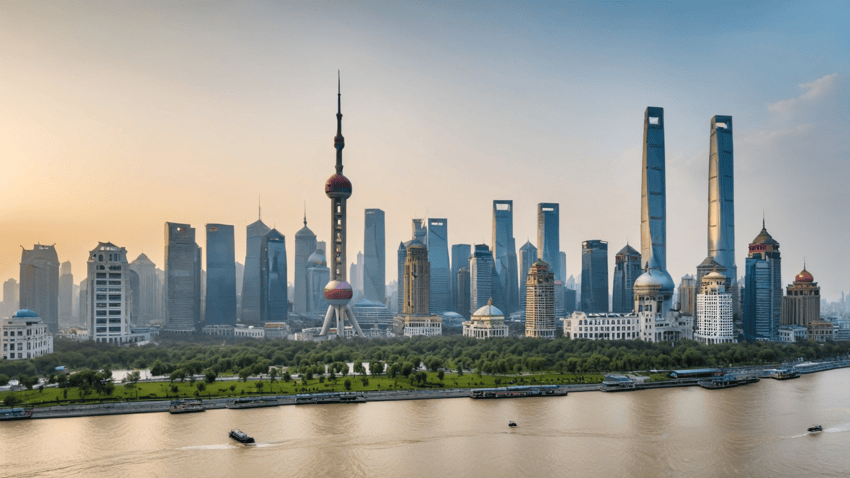 Image generated with Ai
Shanghai has launched an ambitious urban renewal program aimed at improving living standards and transforming its urban landscape. Pei Xiao, deputy director of the Shanghai Municipal Commission of Housing and Urban-Rural Development, explained that the city plans to renovate all scattered old residential buildings and upgrade houses with structural weaknesses by the end of 2025. These efforts represent a concerted drive to modernize the city while preserving its livability and accessibility for residents.
In addition to housing renovations, the city aims to expand its supply of affordable rental units and enhance waterfront areas along the Huangpu River, Suzhou Creek, and their tributaries. These projects, part of a larger vision for urban revitalization, are expected to improve public services, transportation, and the overall quality of life for millions.
Advertisement
Advertisement
Transformations Along the Waterfront
Shanghai has already made significant strides in upgrading its waterfront spaces. During 2024, new facilities and attractions opened along the Huangpu River and Suzhou Creek, including the Shanghai Expo Culture Park. These spaces serve as hubs for culture, tourism, and commerce, with six large cruise ships, eight ferry terminals, and over 550 public events drawing an impressive 318 million visits.
The waterfront upgrades also include enhancing green spaces, walkways, and service facilities, making the area more accessible and appealing to locals and tourists alike. By improving these iconic locations, Shanghai continues to cement its status as a global city while catering to the evolving needs of its population.
Advertisement
Advertisement
Infrastructure and Accessibility Improvements
Shanghai’s renewal efforts extend to improving public infrastructure across the city. In 2024, significant upgrades were made to public amenities, such as post offices, banks, sidewalks, and public toilets. Over 30 kilometers of sidewalks were renovated to ensure barrier-free accessibility, and nearly 1,400 public toilets were upgraded. Rural areas also benefited from the initiative, with 251 kilometers of deteriorated roads and 61 kilometers of riverside roads improved to address safety hazards.
These developments reflect a broader focus on inclusivity and accessibility, ensuring that all residents, regardless of location or mobility, can benefit from the city’s modernization.
Advertisement
Advertisement
Housing Upgrades and Urban Village Redevelopment
On the housing front, Shanghai made substantial progress in 2024 by renovating 136,000 square meters of scattered old residential buildings, positively impacting 4,697 households. Additionally, 311,000 square meters of separate flats underwent upgrades, and 21 urban village redevelopment projects were launched.
Pei Xiao revealed that by 2025, the city plans to renovate 310,000 square meters of dilapidated housing, focusing on on-site upgrades that allow residents to stay in familiar surroundings while their homes are modernized. Another 25 urban village projects, involving approximately 12,000 households, are also set to begin. These initiatives aim to provide safer, more comfortable housing while addressing the challenges of urban density and outdated infrastructure.
Advertisement
Advertisement
Affordable Housing Expansion
The city is also addressing the growing demand for affordable housing. In 2024, Shanghai completed the construction of 72,000 affordable rental units and added 30,300 beds for workers contributing to the city’s development. This focus on affordability ensures that Shanghai remains accessible to a diverse population, including young professionals, low-income families, and migrant workers.
By balancing economic growth with social responsibility, Shanghai’s housing strategy aims to reduce inequalities and create a more inclusive urban environment.
Lessons from Previous Successes
Pei Xiao highlighted the importance of leveraging experiences from past renovations to develop effective implementation plans for ongoing projects. By determining optimal renovation models, the city hopes to ensure timely completion of its ambitious targets. The approach emphasizes efficiency, sustainability, and community involvement, ensuring that residents’ needs are prioritized throughout the process.
Global Impact on Urban Renewal
Shanghai’s urban renewal efforts have broader implications for the global travel and tourism industry. The enhanced waterfront areas and improved urban infrastructure make the city more appealing to international visitors. With cultural landmarks, green spaces, and modern amenities, Shanghai is positioning itself as a model for urban transformation.
Advertisement
Advertisement
For travelers, these changes promise an upgraded experience, whether exploring the scenic Huangpu River, attending events at the Expo Culture Park, or navigating the city’s barrier-free infrastructure. Enhanced public amenities and expanded transportation options make Shanghai more accessible, encouraging longer stays and increased spending in local communities.
Implications for the Travel Industry
The renewal initiatives are expected to boost Shanghai’s tourism sector by offering a more vibrant and modern urban experience. Enhanced infrastructure, cultural events, and new attractions will likely increase the city’s appeal to international visitors. Additionally, improved housing conditions for workers in the tourism and hospitality industries could lead to better service standards, benefiting travelers and businesses alike.
The ripple effects of these developments may extend beyond Shanghai, serving as a blueprint for other global cities grappling with the challenges of urbanization. As Shanghai demonstrates the potential of strategic urban renewal, it could inspire similar initiatives in other regions, fostering innovation and collaboration within the travel industry.
Key Steps for Success
To ensure the success of these transformative projects, Shanghai will need to:
- Maintain a balance between modernization and cultural preservation.
- Prioritize community engagement to address the needs of residents.
- Continue investing in accessible and sustainable infrastructure.
Shanghai’s urban renewal initiatives represent a bold step toward creating a more livable, accessible, and inclusive city. By upgrading housing, improving infrastructure, and revitalizing its iconic waterfronts, the city is setting new standards for urban transformation. These efforts not only enhance the quality of life for residents but also position Shanghai as a leading global destination, benefiting both travelers and the broader travel industry.
Advertisement
