
Singapore Leads the Way in Addressing Severe Air Turbulence Threats Across Asia, from Myanmar to Hong Kong and Beyond: Here’s What Travelers Need to Know

Published
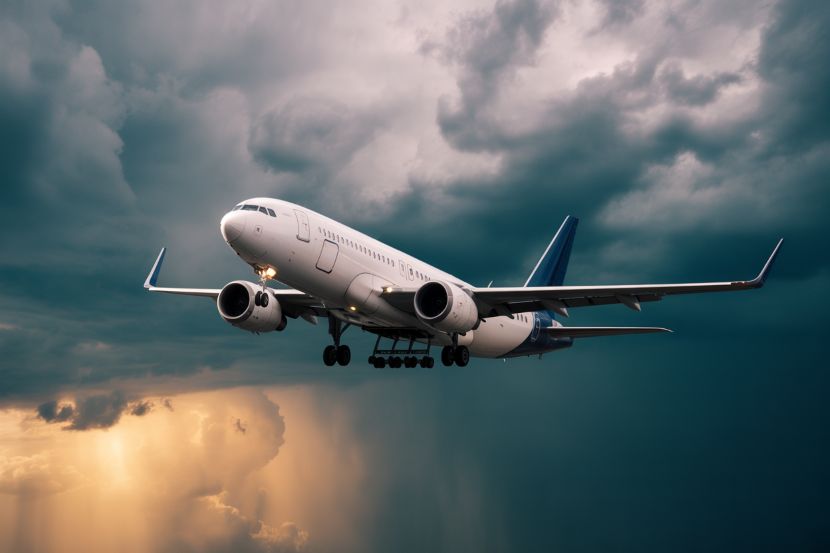
Image generated with Ai
For years, turbulence was considered a minor inconvenience during flights, but recent developments have changed that view. In 2024, turbulence became the leading cause of in-flight injuries, surpassing even mid-air collisions in severity. Singapore has taken a bold step in recognizing the growing threat, classifying severe air turbulence as a major operational safety risk, putting it in the same category as mid-air collisions and unauthorized runway incursions. Experts believe that climate change is intensifying this problem, with shifting weather patterns increasing the frequency and severity of clear-air turbulence (CAT). These turbulent events, which occur in clear skies around jet streams, are invisible to radar and often unpredictable, making them particularly dangerous for airlines and passengers alike.
Singapore’s Civil Aviation Authority recently categorized severe turbulence as a major safety risk, reflecting the urgency of this evolving threat. Previously, turbulence was considered primarily in the context of crew training, but with increasing incidents, it has now become a critical area of focus for aviation safety. The decision places turbulence on the same level as other significant threats, such as mid-air collisions, requiring urgent safety measures to protect passengers and crew.
Notable Turbulence Incidents That Prompted Action
Several high-profile incidents have brought the issue of turbulence to the forefront of aviation safety concerns. In May 2024, a Singapore Airlines Boeing 777, traveling from London to Singapore, encountered violent turbulence while crossing over Myanmar. The aircraft was forced to make an emergency landing in Bangkok, resulting in a fatality and numerous injuries. In another incident in September 2024, a Guangzhou-bound flight suffered similar turbulence over Hong Kong, injuring a passenger and a cabin crew member.
Outside of Singapore, turbulence has also caused significant disruption. In August 2024, two passengers aboard a United Express flight in the United States were hospitalized, and 37 others received medical attention after the aircraft encountered violent turbulence over Texas. These incidents highlight the global nature of the problem, as clear-air turbulence is not confined to specific regions but is increasing in frequency due to changing climatic conditions.
Advertisement
Advertisement
Airlines and Operators Implement New Safety Measures
In response to the growing threat of turbulence, several airlines, particularly in Asia, have started adjusting their operational procedures. Singapore Airlines, for instance, has reviewed crew protocols for turbulence, introducing new measures to protect passengers, including better seatbelt guidance and safer methods of serving hot beverages. Korean Air has gone so far as to stop serving ramen instant noodles during flights to avoid scalding injuries.
Advertisement
Advertisement
In addition to modifying passenger service practices, airlines are also stepping up training for flight crews. Evidence-based training now incorporates turbulence-related scenarios, ensuring that crew members are better equipped to handle unexpected turbulence. Moreover, advanced weather radar systems and turbulence awareness applications are being implemented to help detect and avoid turbulence-prone areas, providing an extra layer of protection for travelers.
The Role of Technology and AI in Turbulence Prevention
One of the most promising developments in tackling turbulence is the use of technology, particularly AI and real-time data sharing. The International Air Transport Association (IATA) has launched the “Turbulence Aware” program, which allows aircraft to share turbulence data with other nearby planes. This initiative helps pilots avoid turbulent areas by giving them access to updated information on atmospheric conditions.
Artificial intelligence is also being harnessed to predict changes in jet streams—narrow, fast-moving air currents high in the atmosphere—known to be associated with turbulence. By analyzing data on temperature differences and air currents, AI can predict areas of potential turbulence, giving pilots a better chance of avoiding hazardous conditions before they encounter them. With climate change leading to more erratic jet stream patterns, these technological advances are becoming increasingly vital for ensuring passenger safety.
Advertisement
Advertisement
What Travelers Should Do in Response to Increased Turbulence Risks
For frequent flyers and travelers, understanding the growing risks of air turbulence can help them stay safe during their journeys. Here are a few essential tips:
- Buckle Up: Always keep your seatbelt fastened when seated, even if the seatbelt sign is off. Turbulence can strike unexpectedly.
- Follow Crew Instructions: Pay close attention to safety briefings and any instructions provided by flight attendants, especially during turbulent periods.
- Stay Calm: While turbulence can be unsettling, it is usually not dangerous. Remember, aircraft are designed to withstand even severe turbulence.
- Avoid Hot Drinks: If you’re flying with an airline that has updated its procedures, avoid ordering hot drinks during the flight, as these can lead to burns during unexpected turbulence.
- Check for Travel Updates: If you’re flying through areas known for turbulent weather, such as over the North Atlantic or parts of Asia, check if your airline offers specific turbulence-related updates or safety measures.
Global Efforts to Tackle Turbulence
The classification of severe air turbulence as a state-level risk in Singapore signals a broader recognition of this issue within the aviation industry. Singapore, Japan, and South Korea have jointly pushed for the International Civil Aviation Organization (ICAO) to officially incorporate turbulence as a critical safety concern in its 2026 global aviation safety plan. Additionally, various international bodies are collaborating to share real-time turbulence data and enhance forecasting capabilities.
Advertisement
Advertisement
As global air traffic is expected to triple by 2043, addressing the risk of turbulence will be crucial for ensuring safe and smooth air travel. The rise in air traffic and the changing climate are factors that will continue to make turbulence a pressing issue for the aviation industry to manage.
In a world where air travel is rapidly growing, it is essential that both aviation authorities and travelers stay vigilant against the growing threat of severe air turbulence. With advancements in technology, better crew training, and international cooperation, the future of air travel can remain as safe as possible for everyone on board.
Advertisement
