
Airbus France Unlocks New Aviation Travel Era as A350F Freighter Moves Toward Historic First Flight Milestone

Published
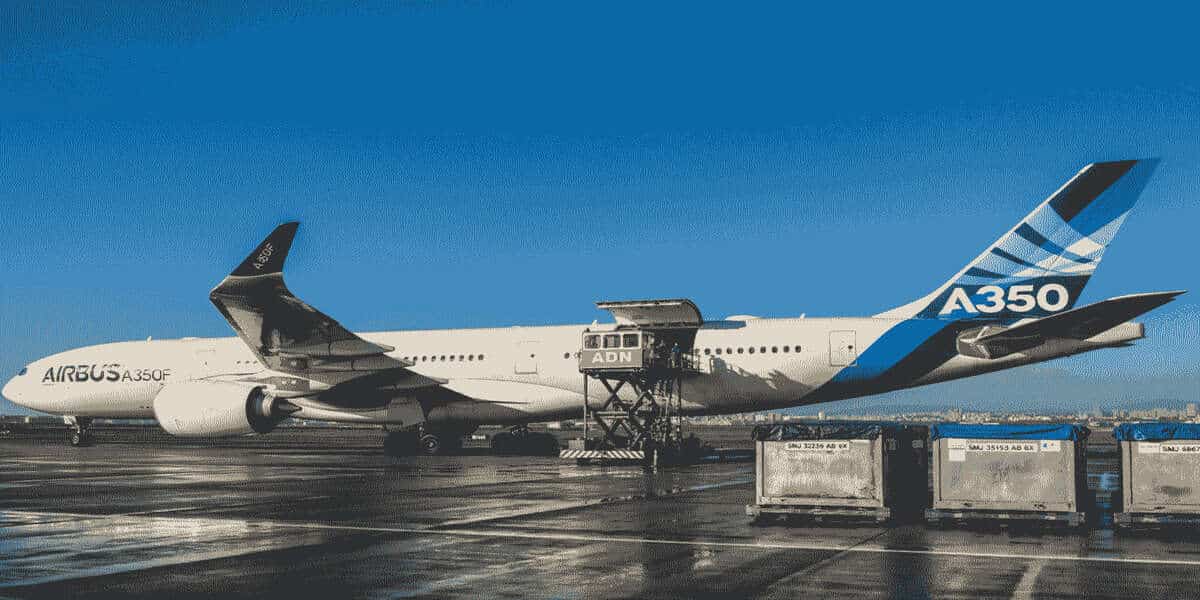
Image generated with Ai
Airbus France’s A350F freighter is redefining the future of travel, with its target of first flight in 2026, as global demand for next generation cargo aircraft grows. The manufacturer plans the A350F’s first flight for the third week of September 2026; however, this could possibly shift to the first week of October if final preparations need additional time. The A350F has already received 107 orders and is meant to go head to head with Boeing’s 777 Freighter and the upcoming 777-8 Freighter for air cargo shipping. Airbus is planning to change the future of freight shipping with its new A350F, which offers technology and efficiency improvements to better connect global trade with a first delivery planned for the second half of 2027.
Airbus is approaching a major aviation milestone as its A350F freighter moves closer to its first flight, with the European aircraft manufacturer targeting September 2026 for the debut of its next-generation cargo aircraft. The planned flight will mark a critical stage in Airbus’ ambition to challenge Boeing’s dominance in the wide-body freighter market.
Advertisement
Advertisement
The aircraft manufacturer is aiming for the third week of September 2026 for the maiden flight of the A350F, although the schedule could move into early October depending on final preparations and technical progress. The first flight will begin an intensive testing and certification campaign as Airbus works towards its goal of delivering the first aircraft in the second half of 2027.
The A350F programme has attracted strong attention from the global aviation industry, with Airbus already securing 107 orders for the new wide-body cargo aircraft. Designed to compete with Boeing’s 777 Freighter and upcoming 777-8 Freighter, the A350F represents Airbus’ biggest push yet into the large freighter aircraft segment.
Advertisement
Advertisement
Airbus A350F Targets a New Future for Global Air Cargo
The development of the A350F highlights Airbus’ growing ambition to expand its presence in the global cargo aviation market. For decades, Boeing has maintained a leading position in wide-body freighters through aircraft such as the 747 Freighter and 777 Freighter.
Advertisement
Advertisement
Airbus aims to challenge that position by introducing a new-generation cargo aircraft based on the advanced technology of the A350 family. The aircraft combines modern materials, improved fuel efficiency and long-range capability to meet the changing demands of international freight transportation.
The A350F was launched as a response to rising demand for more efficient cargo aircraft. Airlines and logistics companies are increasingly searching for aircraft that can reduce operating costs while supporting growing global trade, e-commerce deliveries and international supply chains.
The programme has experienced timeline adjustments since its launch, with the first delivery target moving towards 2027. Despite these challenges, market confidence has remained strong, reflected by the aircraft’s growing order book.
Advertisement
Advertisement
With 107 confirmed orders, the A350F has already gained significant interest from cargo operators worldwide. The strong demand demonstrates the aviation industry’s expectation that next-generation freighters will play an important role in the future of global logistics.
First Flight Begins Critical Testing and Certification Phase
The upcoming first flight will represent one of the most important moments in the A350F programme. Once the aircraft completes its maiden journey, Airbus will begin a detailed flight-test campaign designed to evaluate performance, safety systems and cargo-specific capabilities.
Advertisement
Advertisement
The certification process will be a major challenge because Airbus must complete extensive testing before commercial operations can begin. The company faces a demanding timeline between the first flight and the planned first delivery in the second half of 2027.
During the testing programme, Airbus engineers will examine multiple aspects of the aircraft, including flight performance, fuel efficiency, handling characteristics, cargo systems and operational reliability.
The company is preparing dedicated test aircraft to support the certification process. These aircraft will allow Airbus to conduct multiple evaluations at the same time and accelerate the approval process.
The A350F must prove that it can meet the strict requirements set by aviation regulators before airlines can introduce it into commercial service. Successful certification will be essential for Airbus to maintain its delivery schedule and strengthen customer confidence.
Advanced Technology Designed for Next Generation Freight Operations
The A350F has been designed as a modern alternative to older wide-body freighters currently operating across global cargo networks. The aircraft uses advanced composite materials developed from the A350 passenger aircraft programme, helping reduce weight and improve efficiency.
Advertisement
Advertisement
Powered by advanced Rolls-Royce engines, the aircraft is expected to provide improved fuel performance compared with previous-generation freighters. Airbus has positioned the A350F as a solution for airlines seeking more sustainable and cost-effective cargo operations.
The aircraft will be capable of carrying more than 110 tonnes of cargo, placing it directly in competition with Boeing’s largest freighter models.
Its design will support a wide range of cargo operations, including express delivery services, pharmaceutical transportation, industrial shipments and high-value international freight.
The rapid growth of online commerce has increased demand for reliable air cargo capacity. Companies worldwide are depending more heavily on efficient aviation networks to move goods quickly across continents.
Airbus believes the A350F can become a key aircraft for this changing environment by offering airlines a combination of capacity, efficiency and advanced technology.
Advertisement
Advertisement
Cargo Door Development Becomes Major Engineering Milestone
One of the most important engineering elements of the A350F programme is the development of its large main deck cargo door. The system is essential for loading oversized freight and supporting efficient cargo operations.
Unlike passenger aircraft, freighters require specialised features that allow large cargo containers and heavy equipment to be loaded quickly and safely.
The development of the A350F cargo door required new engineering solutions because the aircraft has been redesigned specifically for freight operations.
Airbus has focused heavily on ensuring that the aircraft can handle large and complex cargo movements while maintaining the reliability expected from modern commercial aircraft.
The cargo system will allow operators to transport a wider range of goods, including industrial equipment, aircraft components and other oversized shipments.
Advertisement
Advertisement
Successful integration of these systems will be a key factor in ensuring the aircraft meets the expectations of global cargo operators.
Airbus Challenges Boeing’s Long Standing Freighter Leadership
The A350F represents a strategic move by Airbus to compete against Boeing in one of aviation’s most important markets.
Boeing has historically dominated the large freighter segment, with its 747 and 777 cargo aircraft becoming central parts of global logistics networks.
However, Airbus believes the market is entering a new era where airlines will increasingly demand aircraft with lower fuel consumption, improved efficiency and reduced environmental impact.
The upcoming Boeing 777-8 Freighter will be the main competitor for the A350F. Both aircraft are expected to compete for future orders from major cargo airlines looking to modernise their fleets.
Advertisement
Advertisement
The success of the A350F could significantly change the balance of power in the global freighter market. A strong entry into service would give Airbus a stronger position in commercial aviation beyond passenger aircraft.
A350F First Flight Could Transform Global Aviation Landscape
The first flight of the Airbus A350F will be more than just a technical achievement. It will represent a major milestone in Airbus’ strategy to reshape the future of global air cargo.
The aircraft’s development reflects the growing importance of freight aviation as international trade, e-commerce and supply chain networks continue to expand.
The September 2026 flight target will be closely monitored by airlines, cargo companies and aviation experts around the world.
For Airbus, the A350F represents an opportunity to establish itself as a major competitor in the wide-body freighter market and provide airlines with a new option for future cargo operations.
Advertisement
Advertisement
If the aircraft completes testing successfully and enters service as planned in 2027, the A350F could become one of the most significant additions to the global aviation industry in the coming decade.
Airbus is heavily invested in increasing air cargo capacity. The A350F freighter is expected to be in flight by 2026, and indicates that the aviation industry is moving toward a major change. There is growing demand internationally for new and advanced cargo airplanes that can travel farther and consume less fuel. The new freighter will provide easier air cargo transport and will challenge Boeing in its domination of the wide-body market.
Advertisement
