
Canada Issues Urgent Japan Travel Warning as Powerful Typhoon Saudel Threatens Floods, Landslides and Travel Disruptions

Published
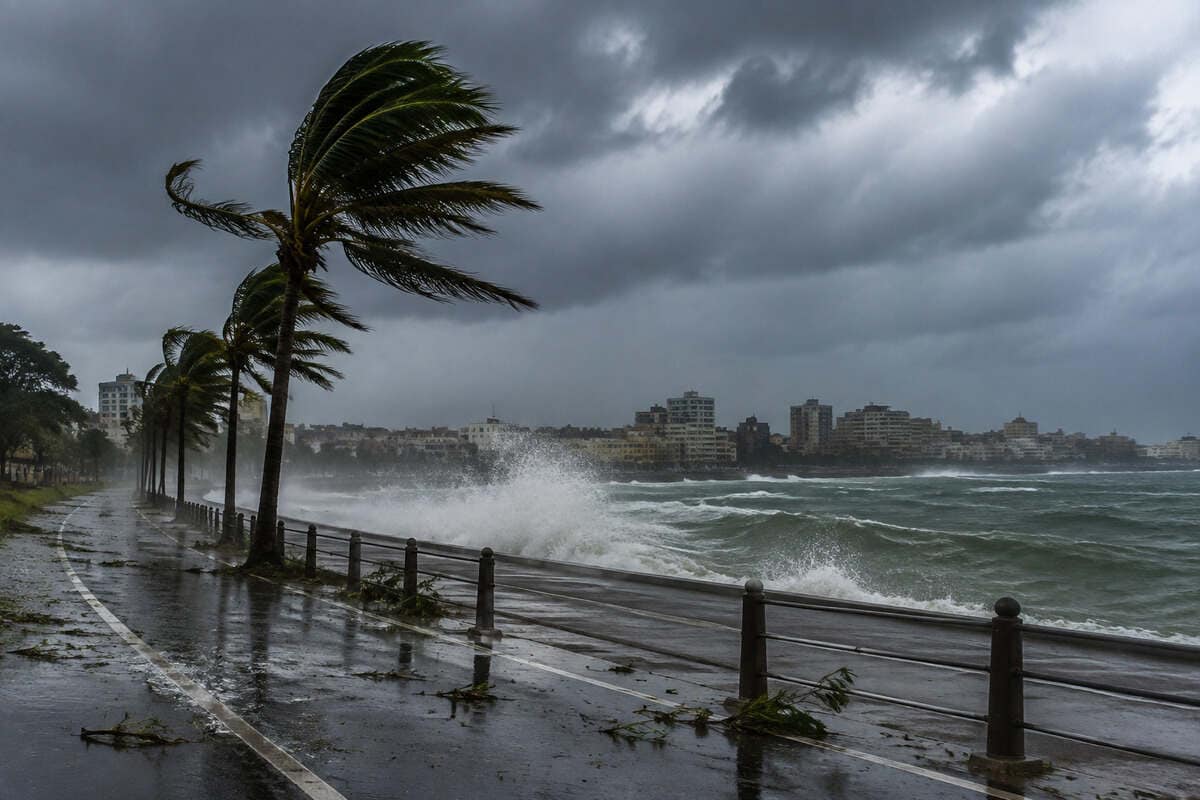
Image generated with Ai
Due to Typhoon Saudel’s threat to southern Japan, Canada has issued an urgent Japan travel warning. Saudel will bring southern Japan significant rainfall and cause severe flooding, landslides, and widespread disruptions to travel. Southern Japan and some of Okinawa’s islands are home to intense rain and safety warnings due to the storm. Saudel is expected to continue its path away from Japan, and towards China, but travelers are being warned to be prepared, to remain up to date with changing weather conditions, and to follow instructions from the local authorities, as there could be still be considerable dangers from the storm.
Although Typhoon Saudel has begun moving away from Japan towards China, Canadian authorities continue to advise travellers to remain cautious as the impact of the storm could continue to affect local services, transportation networks and emergency response systems.
Advertisement
Advertisement
Typhoon Saudel Brings Heavy Rainfall and Landslide Risks Across Southern Japan
Typhoon Saudel approached southern Japan between August 24 and 27, 2026, bringing dangerous weather conditions to several coastal and island regions. Okinawa and nearby southwestern Japanese islands experienced significant rainfall, with accumulated precipitation reaching around 230 millimetres in some areas.
The intense rainfall increased the risk of flash floods and landslides, particularly in vulnerable mountainous areas. The Amami region was among the areas where landslide warnings were issued as authorities monitored the possibility of further weather-related hazards.
Advertisement
Advertisement
The storm’s strong winds and heavy rain created challenging conditions for residents and visitors, with officials urging people in affected areas to stay alert and follow safety instructions. While the typhoon’s path has shifted away from Japan, the remaining effects of the storm continue to influence travel conditions.
Advertisement
Advertisement
Travel Services Face Possible Disruptions Due to Severe Weather
Severe weather events such as Typhoon Saudel can create widespread disruptions for travellers, affecting essential services and daily activities. The Canadian travel advisory highlighted several areas that could experience difficulties during and after the storm.
Transportation networks may face delays or cancellations due to strong winds, flooding and safety restrictions. Airports, railway services, roads and ferry operations in affected regions could experience temporary interruptions as authorities assess weather conditions.
Power supply systems may also be impacted, particularly in areas exposed to strong winds and heavy rainfall. Temporary electricity outages could affect homes, hotels, businesses and public facilities.
Communication networks, including mobile services and internet connections, may also experience disruptions during extreme weather conditions. Travellers are advised to maintain access to emergency information and keep important travel documents available.
Food and water supply chains could face temporary challenges if transportation routes are affected. Emergency services and medical facilities may also experience increased pressure while responding to weather-related incidents.
Advertisement
Advertisement
Authorities Urge Travellers to Stay Alert and Follow Local Guidance
Canadian travellers in Japan have been advised to remain cautious, monitor local weather updates and stay informed about changing conditions. Authorities recommend checking official announcements before travelling within affected regions, especially during periods of severe weather.
Visitors are encouraged to follow instructions issued by Japanese local authorities, including evacuation notices or safety recommendations. Travellers should avoid areas affected by flooding, landslides or dangerous road conditions.
Japan has advanced disaster management systems and regularly prepares for typhoons during the country’s storm season. However, extreme weather events can still cause sudden changes that impact transportation, tourism activities and public services.
Typhoon Season Highlights Importance of Weather Awareness for Visitors
Japan experiences frequent typhoon activity, particularly between summer and early autumn. These storms can bring heavy rainfall, strong winds, coastal hazards and transportation disruptions.
For international visitors, staying updated with weather forecasts and emergency announcements is an important part of safe travel planning. Travellers should remain flexible with their itineraries and be prepared for possible changes caused by severe weather.
Advertisement
Advertisement
Canada has issued an urgent Japan travel warning as Typhoon Saudel threatens heavy rain, floods, landslides and travel disruptions across southern Japan, including Okinawa and nearby islands. The advisory highlights risks to transportation, communication networks and essential services as the storm impacts the region.
The approach of Typhoon Saudel shows the importance of preparation and awareness regarding all weather conditions during a trip in Japan’s storm season. Although the weather system is moving out to sea, travelers need to adjust to the changing conditions and continue monitoring official updates. Travelers should keep in mind that there may be disruptions to normal service National and local services may be disrupted, so visitors are encouraged to follow the safety guidelines and consider changing their travel plans.
Advertisement
