
Save the Galápagos: How Budget Travel and Mass Tourism Are Overwhelming the Archipelago

Published
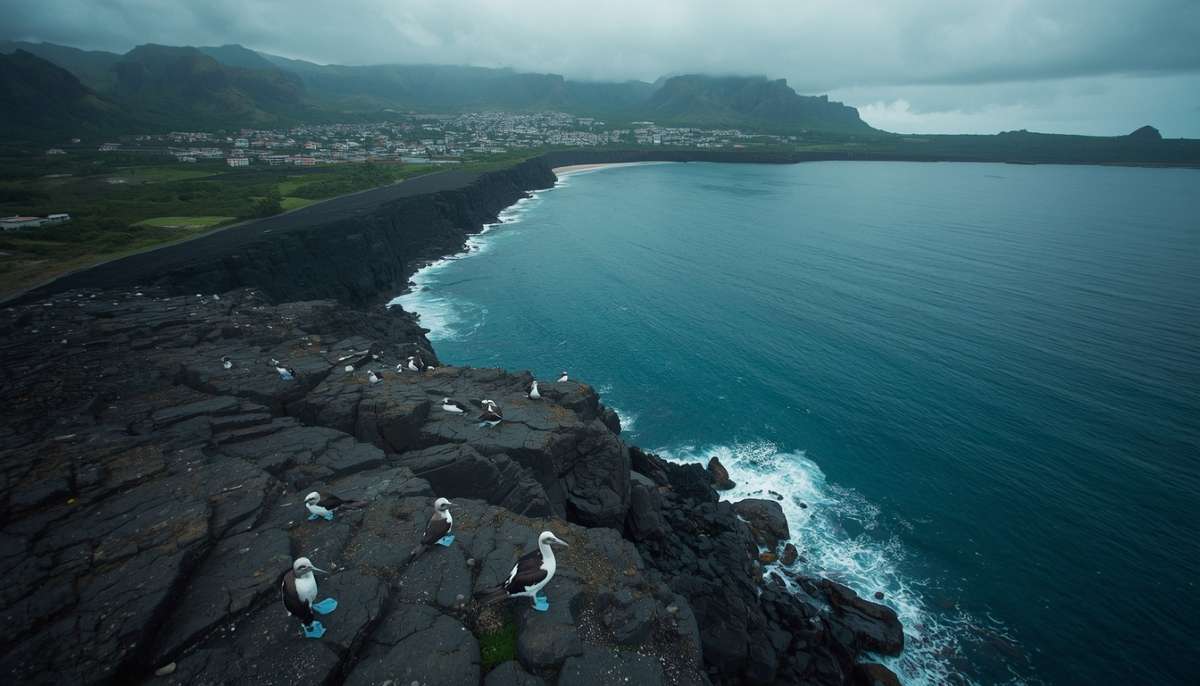
Image generated with Ai
The Galápagos Islands are no longer the playground of the elite researchers and wealthy explorers. High financial barriers and poor infrastructure kept access to the archipelago tightly controlled for decades. Until recently, the only way to experience the remote islands was to invest in a private, regulated cruise around the islands. It was used as a conservation model that was high cost, restrictive, but functional and sustainable. The high cost of travelling, and the requirement for private guides, were historically justified by the need to protect a fragile ecosystem that has a very low carrying capacity.
But today the situation is radically different. Commercial airlines, day trips and other peer-to-peer accommodation options such as AirBnb have made it more accessible. Now travel to the Galapagos is far more accessible not just for international middle-class tourists but also for mainland residents looking for affordable vacations. Democratisation is often lauded as a positive social development, but the rapid increase of visitors has created intense ecological friction.
Advertisement
Advertisement
Understanding the Pressures of Modern Galápagos Tourism
To fully comprehend the current crisis, it is vital to examine how the islands are coping with the surge in visitor numbers. Travelers frequently ask: How has tourism changed in the Galápagos Islands? Historically, tourism was concentrated on liveaboard vessels where waste and resource consumption were tightly monitored by onboard systems. In contrast, modern land-based tourism encourages travelers to stay in local towns, increasing the permanent and semi-permanent human footprint on fragile island soils.
Another frequent inquiry is, ‘What are the main environmental threats facing the Galápagos today?’ The primary threat is no longer merely the presence of tourists but the structural strain placed on municipal utilities. Mass tourism and the expansion of rental accommodations directly undermine the natural areas of the archipelago. Increased water extraction, heavy electricity generation demands, and surging waste management costs are testing systems that the local ecosystem is fundamentally unequipped to bear. Desalination plants and local landfills are operating far beyond their intended capacities, leading to untreated wastewater runoff and escalating pollution levels.
Advertisement
Advertisement
Can middle-class travelers visit the Galápagos sustainably? The reality is that the core issue is not the inherent attractiveness of the islands to middle-class tourists. Rather, the crisis stems from a systemic lack of resources, infrastructure, and economic opportunities on the islands themselves. The local municipalities are continually overwhelmed by a continuous influx of people, creating a systemic imbalance between human habitation and ecological preservation.
Advertisement
Advertisement
The Infrastructure Deficit and Ecosystem Strain
The acceleration of land-based tourism has triggered an unprecedented infrastructural deficit across the inhabited islands of Santa Cruz, San Cristóbal, and Isabela. Unlike mainland cities that can easily expand municipal grids, isolated island ecosystems possess strict ecological boundaries. Every additional tourist bed translates to higher energy consumption, increased importation of non-native food products, and a heavier reliance on fossil fuels shipped from the Ecuadorian mainland.
According to reports from the Charles Darwin Foundation and the Directorate of the Galápagos National Park, municipal waste generation has multiplied exponentially over the past two decades. Recycling facilities on the islands remain critically underfunded and understaffed, rendering them incapable of processing the immense volume of single-use plastics and packaging brought in by budget-conscious travelers and local suppliers. Furthermore, groundwater reserves are being depleted at an unsustainable rate to supply hotels, guesthouses, and residential rentals, directly threatening endemic flora and fauna that rely on seasonal moisture.
Balancing Conservation with Equitable Access
The future of the Galápagos will require a paradigm shift in the way tourism is regulated and managed. The challenge for the regulatory bodies is to balance human socioeconomic rights with absolute environmental protection. With new daily entry limits and increased conservation fees, policymakers often talk about limiting overall visitation. But regulations alone won’t work without parallel investment in green infrastructure, renewable energy microgrids and advanced wastewater treatment plants that are funded directly by tourism revenue.
The rollout of educational programmes for independent travellers also supports responsible practices. Visitors are increasingly encouraged to opt for accommodation certified by sustainability audits and to reduce their individual plastic footprint. But without the funding and resources to invest in upgrading municipal infrastructure, the pressure on the archipelago will continue until local authorities have the capacity to do so. The future of this unique natural laboratory hinges on the need for urgent, concerted action that balances the needs of contemporary travel with the inflexible boundaries of a delicate island ecosystem.
Advertisement
