
South Africa Overtakes Tanzania, Morocco, Nigeria, Egypt, Tunisia, Uganda, And More In Record Passenger Growth, With OR Tambo Airport Rising As The Dual Titleholder Of Africa’s Aviation Epicenter And Heartbeat

Published
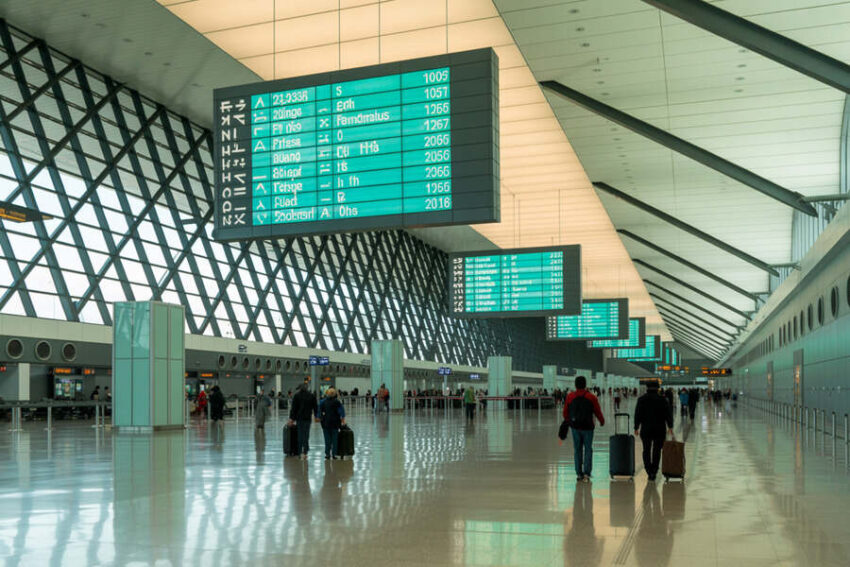 Image generated with Ai
South Africa has overtaken Tanzania, Morocco, Nigeria, Egypt, Tunisia, Uganda, and more in passenger travel growth, as OR Tambo International Airport clinches the title of Africa’s busiest hub and the heartbeat of African aviation. This surge in passenger traffic is a result of South Africa’s strategic investments in its aviation infrastructure, combined with an expanding global tourism industry. OR Tambo’s dominance not only highlights the country’s position as a regional powerhouse in air travel but also underscores its central role in connecting Africa to the world. With key airports like Cairo, Addis Ababa, and Hurghada also playing significant roles, South Africa’s aviation sector is leading the charge in the continent’s growth.
In an era of revitalization, where global aviation has slowly rebounded post-pandemic, South Africa has emerged as a dominant force in Africa’s travel and aviation sector. Through strategic efforts in enhancing infrastructure, expanding networks, and focusing on passenger growth, the country has succeeded in surpassing its regional competitors like Tanzania, Morocco, Nigeria, Egypt, Tunisia, and Uganda in passenger travel growth. The jewel in South Africa’s aviation crown, OR Tambo International Airport, stands proudly as Africa’s busiest airport and the heartbeat of African aviation.
In this article, we will explore how OR Tambo and other key African airports like Cairo, Addis Ababa Bole, Hurghada, Mohammed V, and others are evolving in the face of shifting global dynamics, as well as examine the broader impact of South Africa’s aviation growth on the continent’s economy.
OR Tambo International Airport: A Testament to South Africa’s Aviation Dominance
 Image generated with Ai
Located in Johannesburg, South Africa’s commercial and industrial powerhouse, OR Tambo International Airport (JNB) has long been the aviation hub of Southern Africa. With a strategic geographic position, OR Tambo stands as Africa’s busiest airport, handling millions of passengers annually, surpassing competitors from neighboring regions. As of 2025, the airport has cemented its place as the most trafficked hub on the continent, securing a dominant share of Africa’s aviation traffic.
Advertisement
Advertisement
But why has OR Tambo’s dominance remained unchallenged? The reasons are multifaceted and tied to South Africa’s strong position in business, trade, and tourism. OR Tambo’s connectivity with key international markets, particularly Europe, Asia, and the Middle East, provides an unshakable link to global commerce. Whether it’s tourism, cargo trade, or regional connectivity, OR Tambo is the heartbeat of African aviation—keeping the continent connected to the rest of the world.
The South African government has also played a crucial role in strengthening the country’s aviation sector. Investments in the modernization of airport infrastructure, as well as an expansion in flight routes, have enabled OR Tambo to remain Africa’s undisputed leader. The airport serves as the primary gateway to South Africa, welcoming millions of tourists each year to explore the country’s rich culture, diverse wildlife, and vibrant urban centers.
Advertisement
Advertisement
How South Africa Boosted Its Aviation Sector
 Image generated with Ai
South Africa’s aviation boom can be attributed to a blend of government policy, infrastructure investment, and the growth of South African Airways (SAA) and private carriers like FlySafair. These carriers have increased route options, connecting South Africa to Europe, Asia, and the Middle East, further boosting the nation’s tourism sector.
Additionally, South Africa’s tourism industry has been a catalyst for aviation growth. With attractions such as Cape Town’s beaches, the Kruger National Park, and the Winelands, the demand for air travel has surged. The government’s active push for Africa’s largest tourism sector has increased the number of international visitors, in turn contributing to passenger growth at South African airports. Moreover, OR Tambo is supported by Cape Town International Airport, a key international gateway that reinforces the country’s position as a major player in African aviation.
Advertisement
Advertisement
South Africa has also opened new trade routes, further facilitating air cargo and ensuring the continued economic development of the aviation sector. Over the last decade, Johannesburg’s cargo capacity has grown exponentially, now ranking as one of Africa’s largest air cargo hubs.
Cairo International Airport: The Heart of Egypt’s Aviation Landscape
 Image generated with Ai
Egypt’s Cairo International Airport (CAI) continues to hold its position as one of the largest and busiest airports in Africa, trailing closely behind OR Tambo. In 2025, the airport saw approximately 30.9 million passengers, making it the second-busiest airport on the continent. The airport plays a vital role in connecting Africa to Europe, Asia, and the Middle East, with extensive routes served by EgyptAir and other regional carriers.
The growth of Cairo International has been boosted by Egypt’s recovering tourism industry, which has witnessed significant strides in recent years. Egypt’s ancient monuments, such as the Pyramids of Giza and Luxor, attract millions of visitors every year. Additionally, the government’s investments in tourism infrastructure, such as the Grand Egyptian Museum, will likely continue to push passenger traffic higher.
With an expanding airport infrastructure and rising demand, Cairo International remains a strategic link to North Africa and the Middle East, maintaining its place as a central hub in global aviation.
Advertisement
Advertisement
Addis Ababa Bole International Airport: Ethiopia’s Gateway to Africa and Beyond
 Image generated with Ai
Ethiopia’s Addis Ababa Bole International Airport (ADD) has rapidly ascended the ranks of Africa’s busiest airports. As the home base for Ethiopian Airlines, widely regarded as one of Africa’s largest and most successful airlines, Addis Ababa’s airport serves as a critical global transit point for passengers traveling between Africa, Asia, and the Middle East.
The airport has grown significantly as a result of Ethiopian Airlines’ expanding network, which links destinations across the world. Ethiopian Airlines has become a key player in Africa’s aviation expansion, connecting the continent to key markets across Europe and the United States. This growth has mirrored Ethiopia’s broader economic boom, with improvements in infrastructure and tourism driving both domestic and international air travel.
In terms of passenger traffic, Addis Ababa has become a central hub in East Africa, drawing attention from global airlines looking to expand their African operations. As of 2025, Addis Ababa continues to thrive as a leading aviation hub for African, Asian, and Middle Eastern connections.
Hurghada International Airport: Egypt’s Red Sea Tourism Magnet
 Image generated with Ai
In recent years, Hurghada International Airport (HRG) has experienced one of the fastest growth rates in Africa. Located on Egypt’s Red Sea coast, Hurghada has become the focal point for international tourism, particularly charter flights from Europe, Russia, and the UK.
Hurghada’s tourism sector, fueled by its stunning beaches and luxurious resorts, has driven a 28% growth in passenger traffic from 2024 to 2025. The airport primarily serves international tourists heading to Egypt’s famous coastal resorts, making it a central hub for the global leisure travel market.
As Egypt continues to position itself as a leading tourism destination, Hurghada International Airport is at the heart of the country’s efforts to expand its tourism sector and grow its aviation industry.
Advertisement
Advertisement
Mohammed V International Airport: Morocco’s Premier Gateway
 Image generated with Ai
Located in Casablanca, Mohammed V International Airport (CMN) serves as Morocco’s largest airport and one of North Africa’s busiest aviation hubs. With approximately 11.46 million passengers in 2025, Mohammed V has been instrumental in connecting North Africa with Europe and North America, thanks to Royal Air Maroc and various international carriers.
The airport has benefited from Morocco’s tourism boom, with cities like Marrakech and Casablanca drawing visitors from around the world. The country’s investment in tourism infrastructure, including world-class resorts and modern museums, has played a pivotal role in the growth of air traffic at Mohammed V International.
With steady year-on-year growth, Mohammed V International Airport remains a vital hub for travelers seeking to explore the cultural wonders of Morocco and North Africa.
Other Key Airports Shaping African Aviation
As South Africa, Egypt, and Ethiopia lead the way, several other African airports are also shaping the continent’s aviation landscape:
- Cape Town International Airport (CPT) – Located in South Africa, this airport consistently ranks among Africa’s busiest. It is a major gateway for international tourists visiting Cape Town and is closely tied to South Africa’s tourism and business growth.
- Marrakesh Menara Airport (RAK) – Situated in Morocco, Marrakesh has been attracting increasing numbers of visitors due to its famous cultural tourism offerings and proximity to European destinations.
- Houari Boumediene Airport (ALG) – Algeria’s largest airport, serving the country’s domestic and international flight routes, including key connections to Europe and the Middle East.
- Jomo Kenyatta International Airport (NBO) – Kenya’s primary international gateway and the busiest in East Africa, connecting Nairobi to international markets, particularly in Asia and Europe.
- Tunis–Carthage International Airport (TUN) – The main international airport of Tunisia, connecting North Africa with Europe and the Middle East, supporting the growing tourism sector.
In the ever-evolving world of aviation, South Africa has proven to be a strong and dominant force. With OR Tambo International Airport at the helm, South Africa continues to lead the way in passenger growth, infrastructure expansion, and global connectivity. The combined efforts of South Africa’s government, airports, and airlines have made the country an aviation powerhouse on the African continent, earning the title of the heartbeat of African aviation.
As OR Tambo clinches the title of Africa’s busiest hub and continues to facilitate international travel, the entire African aviation sector stands poised for further growth. With other regional airports like Cairo, Addis Ababa, and Hurghada also rising to prominence, Africa is on track to become a global aviation player.
Advertisement
Advertisement
South Africa has overtaken Tanzania, Morocco, Nigeria, Egypt, Tunisia, Uganda, and more in passenger travel growth, with OR Tambo International Airport securing its position as Africa’s busiest hub. This achievement is driven by South Africa’s strategic investments in aviation infrastructure and its thriving tourism industry.
As we move toward a more interconnected and sustainable future, South Africa’s role as the continent’s aviation leader will continue to grow, with OR Tambo International Airport standing as a symbol of Africa’s aviation success and a central gateway for travel, trade, and tourism across the world.
Advertisement
