
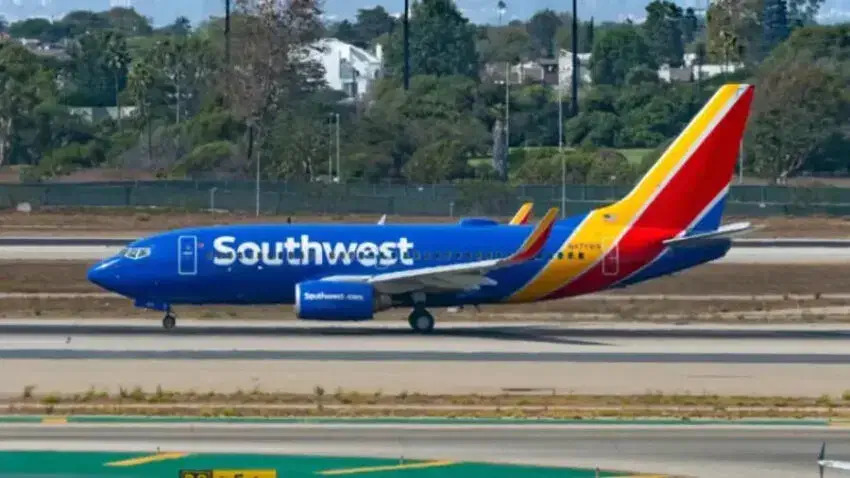
Image generated with Ai
Southwest Airlines is under heightened safety scrutiny as the Federal Aviation Administration (FAA) faces an investigation into its handling of two major cabin air quality events (CAQEs) in 2023. These events, involving the airline’s Boeing 737 MAX 8 aircraft, were caused by bird strikes that triggered the activation of the Load Reduction Device (LRD), allowing toxic fumes to enter the aircraft’s cabin and cockpit. The FAA is being investigated over its failure to take immediate corrective actions after the incidents, raising concerns about its risk management, response protocols, and oversight of emerging safety issues tied to engine design. The ongoing audit by the Department of Transportation’s Office of Inspector General (OIG) will examine whether the FAA adequately addressed these serious safety concerns.
Scrutiny of FAA’s Safety Oversight
In an April 16 memorandum, the OIG confirmed that it will scrutinize the FAA’s actions related to these events, particularly focusing on how the agency managed risks tied to the LEAP-1B engine — the exclusive engine model for the Boeing 737 MAX family. The investigation will assess the adequacy of the FAA’s oversight and response to the activation of the LRD, a system designed to prevent engine damage following bird strikes and other incidents.
The OIG further clarified that the audit would examine the FAA’s decision-making process in light of these two events, and also visit FAA offices involved in the decision-making regarding these incidents. The investigation is part of a broader effort to evaluate the safety of newer technologies in the aviation sector.
Toxic Smoke Following Bird Strikes
The incidents under investigation occurred in March and December 2023. Both involved Southwest Airlines’ Boeing 737 MAX 8 aircraft suffering bird strikes shortly after takeoff. In both cases, the resulting engine damage led to the activation of the LRD, causing toxic fumes to infiltrate the cabins.
Advertisement
In March 2023, flight WN3923 departed from Havana’s José Martí International Airport and encountered a bird strike that damaged the right-hand engine. This damage activated the LRD, which released engine oil into the engine’s hot section, causing dangerous smoke to enter the passenger cabin.
Similarly, in December 2023, flight WN554, operating between New Orleans and Tampa, was struck by birds, resulting in the activation of the LRD in the left engine. This incident caused smoke to enter the cockpit, prompting concerns about the potential for flight crew incapacitation.
A preliminary report released by the National Transportation Safety Board (NTSB) in December 2024 provided more details on the December event. The investigation revealed that Boeing and CFM International were working on software adjustments to address the smoke-related issue.
The Role of the Load Reduction Device (LRD)
The Load Reduction Device (LRD) is a design feature that helps stabilize an engine in the event of damage, such as a bird strike. It is meant to reduce vibrations caused by engine damage to prevent further mechanical issues. However, in both of these incidents, the activation of the LRD led to the release of engine oil into the engine’s hot section, causing toxic smoke to leak into the aircraft’s interior via the pressurization and environmental systems.
These events are classified as Cabin Air Quality Events (CAQEs) by the International Air Transport Association (IATA), a term that covers incidents where the cabin air becomes contaminated by smoke, fumes, or strong odors, leading to potential health risks for passengers and crew.
FAA’s Decision Not to Implement Immediate Safety Measures
Despite these two serious incidents, the FAA’s Corrective Action Review Board (CARB), which convened in November 2024, decided not to recommend any immediate changes to existing procedures or safety protocols. This decision has raised concerns, as the lack of interim safety measures in response to the incidents is now under review by the OIG.
The FAA’s actions, or lack thereof, will be a key focus of the ongoing investigation to determine if adequate risk mitigation strategies were in place and whether the FAA properly addressed the potential hazards following these events.
Industry and Manufacturer Responses
CFM International, the manufacturer of the LEAP-1B engine, defended the performance of the LRD in a statement released in November 2024. The company emphasized that the technology, which has been in use for over two decades, meets all relevant certification requirements. CFM further noted that the bird strikes involved in these incidents exceeded the size and weight thresholds established by regulatory bird ingestion standards. Nevertheless, the engine performed as expected, preventing any further catastrophic damage to the engine.
CFM also reiterated that the LEAP-1B engine — used in both Boeing 737 MAX and other commercial aircraft models — meets all necessary safety standards set by both the FAA and the European Union Aviation Safety Agency (EASA).
Future Actions for the FAA and the Aviation Sector
As the investigation progresses, the OIG will evaluate whether the FAA adequately addressed the risks associated with LRD activation and whether any regulatory adjustments or updates to engine design or safety procedures are warranted. The findings from this audit will likely influence future aviation safety protocols, particularly in the area of engine design and emergency risk mitigation strategies.
Southwest Airlines faces safety scrutiny as the FAA is investigated over its response to 2023 cabin air quality events, where bird strikes triggered toxic fumes in the Boeing 737 MAX 8, raising concerns about safety oversight and risk management. The ongoing audit will assess whether the FAA took appropriate action to address the incidents.
The FAA, along with manufacturers like CFM International and Boeing, is under intense scrutiny as this audit unfolds. As investigations continue, the results may help shape future safety recommendations and policies aimed at protecting both passengers and flight crews from the dangers of cabin air contamination.
Advertisement
Tags: Airline News, Southwest Airlines, Travel News, US
Advertisement
Advertisement













Saturday, September 5, 2026

Saturday, September 5, 2026

Saturday, September 5, 2026

Saturday, September 5, 2026

Saturday, September 5, 2026

Saturday, September 5, 2026

Saturday, September 5, 2026

Saturday, September 5, 2026



