
Spain Removes Fifty Three Thousand Short-Term Rentals: What You Need to Know

Published
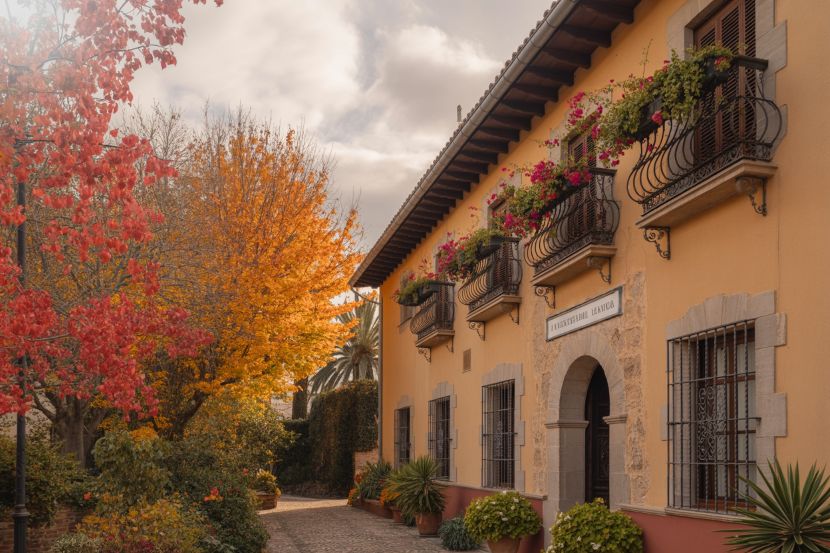
Image generated with Ai
Spain has stepped up action against the rampant growth of short-term vacation rentals by booting fifty-three thousand properties from major sites like Airbnb and Booking.com. Authorities flagged these homes as failing to meet the latest housing legislation, part of a nationwide push to take the heat out of tourism growth and to respond to worries from both neighbours and local governments who see constant streams of temporary tenants as disruptive.
This action is part of a broader strategy to curb the negative effects of overtourism, particularly in popular destinations like Barcelona, Mallorca, and Madrid, where the influx of tourists has led to complaints from locals. Spain’s tourism sector, while vital to the country’s economy, has seen increasing pressure to balance tourism with the well-being of local communities.
Advertisement
Advertisement
The New Spanish Law: Key Changes for Holiday Rentals
The recent legislation, which came into effect on January 2, 2025, requires all holiday homes to be officially registered with local authorities. The goal is to regulate the number of short-term lets available in popular tourist destinations and ensure compliance with health, safety, and zoning laws. Non-compliant properties will no longer be allowed to operate as short-term rentals.
These regulations are designed to prevent the market from being flooded with unregulated rental properties, many of which have been blamed for contributing to rising housing costs and rental shortages for local residents. The Spanish government hopes to reduce the impact of tourism on local life, ensuring that more properties are available for permanent residents, especially for younger people and families.
Advertisement
Advertisement
Impact on Your Trip to Spain
For travellers planning to visit Spain, this change may lead to fewer options for short-term rentals in some areas. However, the impact on your trip will largely depend on where you are staying and whether you’ve already booked your accommodation. If you’ve already reserved a non-compliant property, you may be affected by the removal of its listing. If the property is still unregistered or in the process of registration, you may need to contact the owner for further details.
If your booking is cancelled or altered due to these regulations, it’s advisable to reach out to the platform where you made the reservation. In many cases, customer support teams can assist in finding alternative accommodations or offer refunds if necessary.
Advertisement
Advertisement
What You Can Do if Affected
If you’ve booked a holiday home that is no longer available due to this change in Spanish law, you should contact the property owner to clarify whether they are in the process of registration. In case the owner is unresponsive, the next step is to get in touch with customer support from the booking platform to either request a refund or discuss compensation options. Depending on the platform’s policy, they may also help find alternative accommodations.
For those still planning their Spain holidays, consider opting for traditional hotels or boutique stays in less heavily impacted areas. Spain offers a wealth of unique cities and regions where tourism is still thriving but may not be as severely affected by these new regulations.
What Does This Mean for Spain’s Tourism Industry?
While the removal of illegal holiday rentals may limit some travellers’ accommodation options, it’s part of a larger movement towards sustainable tourism in Spain. The Spanish government has stated that these changes will help preserve the integrity of local communities and ensure that tourism growth doesn’t outpace the resources of popular destinations.
By prioritising long-term rental options over short-term lets, Spain aims to make its cities more accessible to local residents while still offering high-quality experiences to tourists. For businesses and travellers alike, embracing this new vision for tourism may lead to better and more sustainable options for the future.
Navigating the New Holiday Rental Landscape in Spain
The recent crackdown on holiday rentals in Spain signals a significant shift in how the country will manage tourism growth moving forward. While this may cause some short-term inconvenience for travellers who rely on platforms like Airbnb, it’s a necessary step to address the challenges of overtourism and protect the long-term health of Spain’s communities.
As Spain continues to adjust its tourism framework, travellers arriving soon should plan a journey that is both responsible and rewarding. Those who find their itineraries impacted by the latest guidelines should promptly verify their reservations, reach out to the providers they booked with, and explore an array of hospitality choices. The allure of Spain endures, and the fresh approaches being adopted will strengthen its appeal for decades, making it a destination well worth your time.
Advertisement
