Strategic Evolution of the Ghanaian Tourism and Creative Ecosystem in Africa

Published
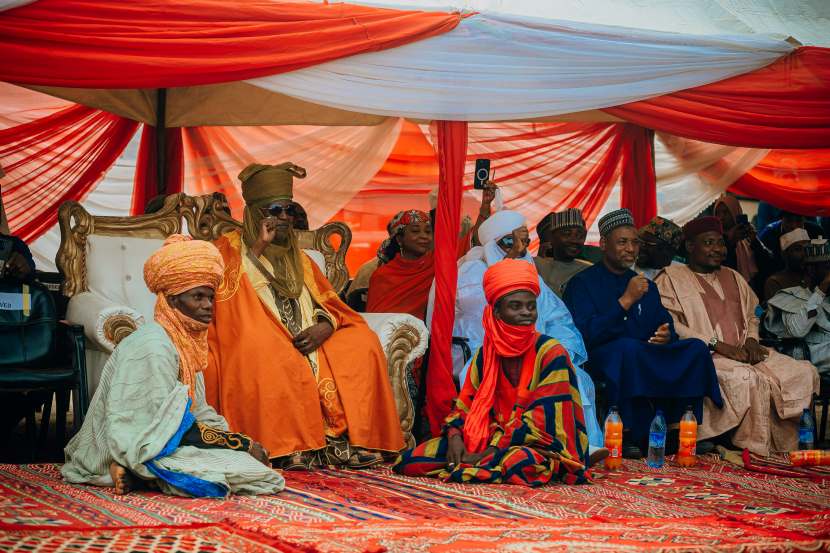 Image generated with Ai
The inauguration of the 2026 Ghana Culture Week was officially conducted on Friday, marking a significant milestone in the preservation and promotion of the nation’s profound ancestral legacy. This grand event was hosted in Accra, where the atmosphere was saturated with the vibrant essence of West African identity. Through a series of meticulously curated displays of traditional dance, intricate art exhibitions, and evocative cultural performances, the rich heritage of the country was brought to the forefront of national discourse. The primary objective of this initiative is framed under the strategic theme of Resetting Ghana’s Tourism, Culture and Creative Ecosystem. It is envisioned that by refocusing on these core pillars, a renewed sense of pride and economic vitality can be instilled within the local community and the broader international stage.
The Vision of a Reset Ecosystem
The conceptual framework for the 2026 Ghana Culture Week is built upon the necessity of modernization within the traditional sectors. It is observed by many stakeholders that the creative industries require a structural realignment to better compete in a globalized market. Consequently, the event served as a platform for high-level discussions where the intersection of heritage and economic sustainability was explored in depth. It is believed that by integrating historical authenticity with contemporary tourism strategies, a more resilient economic model can be established for practitioners within the arts. The dialogue fostered during the opening ceremonies emphasized that the cultural sector should not be viewed merely as a relic of the past, but as a dynamic engine for future growth.
Advertisement
Advertisement
Showcase of Traditional Textiles and Craftsmanship
A central feature of the celebration was the extensive presentation of the textile traditions that have long defined the aesthetic of the region. The world-renowned handwoven Kente cloth was exhibited in a multitude of patterns, each signifying different philosophical concepts and historical narratives. Alongside the Kente, the Fugu smock, traditionally associated with the northern territories, was displayed to demonstrate the geographic diversity of the nation’s attire. These garments were presented in various modern and traditional styles, illustrating the versatility of Ghanaian craftsmanship. By highlighting these textiles, the event sought to promote the local garment industry and encourage the patronage of indigenous fashion on a global scale.
Artistic Expressions and Performance Arts
The auditory and visual senses were further engaged through a variety of performances that spanned the diverse ethnic landscapes of the country. Traditional drumming and dance troupes performed choreographed sequences that have been passed down through generations, serving as a living archive of the people’s history. Art exhibitions were also integrated into the program, featuring works from both established and emerging artists. These pieces often reflected the tension and harmony between ancient customs and the pressures of modern life. The inclusion of these artistic mediums ensured that the celebration was not only a look backward at history but also a contemporary assessment of the nation’s creative pulse.
Advertisement
Advertisement
Culinary Heritage and Local Gastronomy
In addition to the visual and performing arts, the sensory experience was extended to include the culinary traditions of the land. A specialized food fair was organized as part of the opening festivities, where a wide array of Ghanaian dishes was showcased by local vendors. These gastronomic offerings provided attendees with an authentic taste of the regional flavors that are integral to the nation’s cultural identity. From the spicy aromas of street food to the complex flavors of traditional stews, the food fair served as a testament to the importance of culinary tourism in the overarching strategy to reset the tourism ecosystem.
Strategic Economic Impact on Tourism
The broader implications of the 2026 Ghana Culture Week extend into the realm of international diplomacy and economic development. By positioning the country as a hub for cultural tourism, it is expected that a significant increase in visitor arrivals will be recorded throughout the year. The government’s role in facilitating such events is seen as a crucial component of the national development plan. Strategic investments in the creative arts are being prioritized to ensure that the infrastructure supporting tourism—ranging from museums to performance venues—is capable of meeting international standards. This systemic upgrade is intended to create jobs, foster innovation, and secure the livelihoods of countless artisans and performers.
Advertisement
Advertisement
Strengthening National Identity through Celebration
Beyond the economic metrics, the event is designed to strengthen the internal social fabric of the country. In a rapidly changing world, the preservation of unique cultural markers is viewed as essential for maintaining national cohesion. The 2026 celebrations provided a space for citizens from all walks of life to converge and celebrate their shared history. It is through these collective experiences that the values of the ancestors are transmitted to the younger generation, ensuring that the essence of the nation remains intact. The involvement of schools and youth groups in the performances underscored the commitment to educational outreach and cultural continuity.
Future Prospects and Sustainability
As the week-long festivities continue, the focus remains on the long-term sustainability of the initiatives launched during the opening ceremony. The 2026 Ghana Culture Week is not intended to be a fleeting moment of celebration but a catalyst for permanent change within the tourism and creative sectors. Continuous monitoring and evaluation of the “reset” strategy will be conducted to ensure that the goals of economic empowerment and cultural preservation are being met. The success of this year’s launch serves as a blueprint for future iterations of the event, with the hope that Ghana will continue to lead the way in heritage-based tourism within the African continent.
Conclusion of the Launch Phase
The successful commencement of the activities in Accra has set a positive tone for the remainder of the cultural calendar. The synergy between the government, the private sector, and the traditional authorities was evident throughout the Friday launch. As the various exhibitions and discussions progress, the message remains clear: the heritage of the nation is its greatest asset. By honoring the past and strategically planning for the future, the 2026 Ghana Culture Week represents a bold step toward a more prosperous and culturally rich society.
Advertisement
