
France Beats US And Other Leading Countries With Unusual Stays Fueling Unique Travel Demand Worldwide

Published
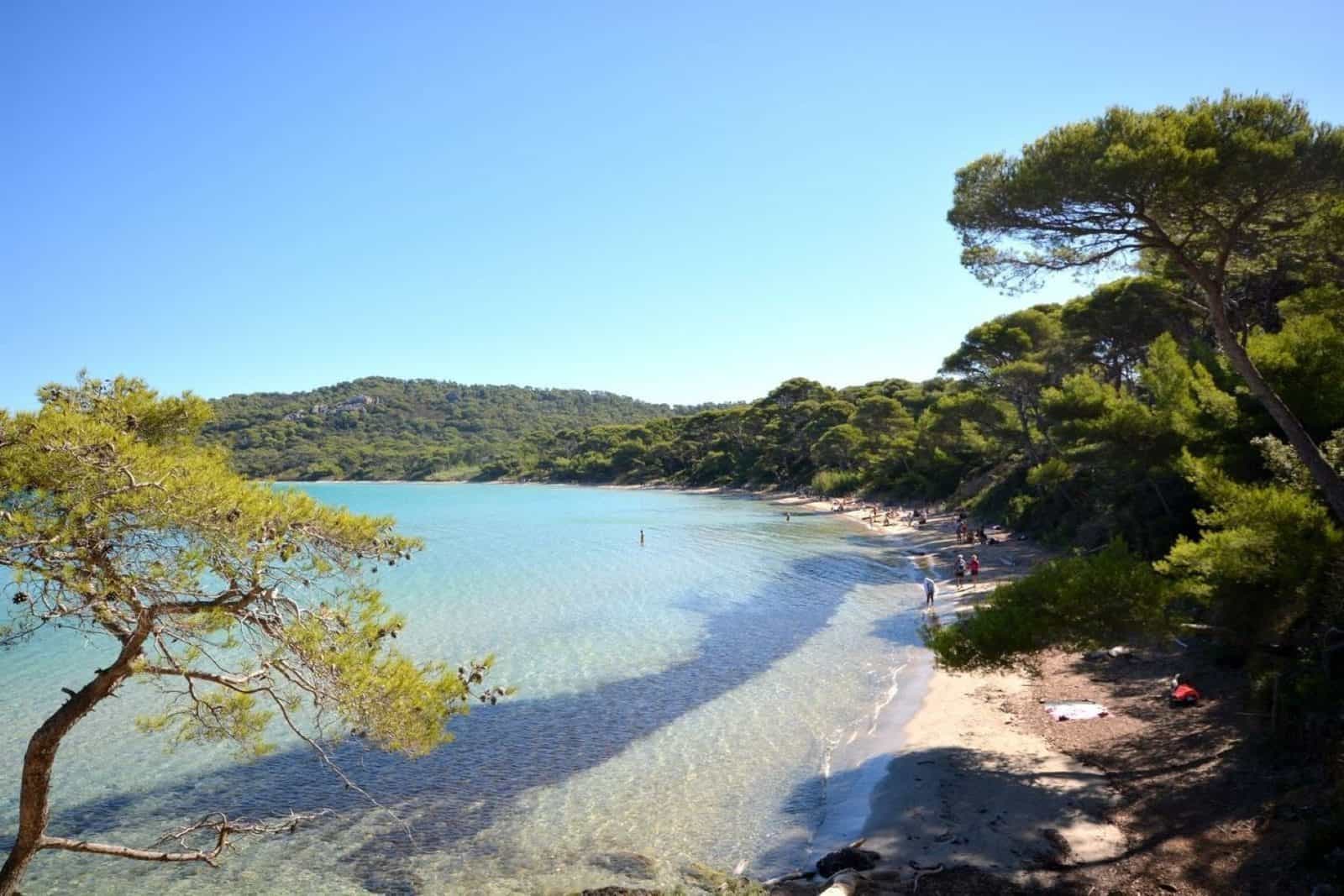
France beats the US and other leading countries in the global unusual accommodation market, with 2,947 unusual stays strengthening unique travel demand worldwide. The 2026 comparison places France ahead of the United States, Italy and Brazil for properties such as castles, treehouses, houseboats, caves, domes and earth homes. This accommodation diversity matters for global tourism because distinctive places to sleep can become part of the destination experience itself. Current official tourism indicators also show active accommodation and international travel markets across these countries. Together, these trends demonstrate how alternative lodging can complement hotels while encouraging travellers to discover heritage, rural and nature-based destinations.
France Leads the Global Unusual Stays Market in 2026
France holds the strongest position among the four countries examined, recording at least 2,947 unusual Airbnb listings in the August 2026 dataset compiled by Holafly. Its advantage comes from unusual accommodation spread across several categories rather than dependence on one property type. France recorded more than 1,000 castle listings, 566 treehouses, 402 houseboats, 343 earth homes and 30 windmills. That breadth gives travellers numerous ways to combine accommodation with culture, countryside, waterways and architectural heritage. Importantly, the figure should be treated as a platform snapshot rather than a permanent national accommodation total because online listings continually change.
- France ranks first with at least 2,947 unusual stays.
- More than 1,000 castle listings were identified.
- France recorded 566 treehouses in the study.
- Its 402 houseboats made France the category leader.
- The unusual inventory includes caves, domes, windmills and earth homes.
| France unusual-stay indicator | 2026 finding |
|---|---|
| Total unusual listings | 2,947+ |
| Castles | 1,000+ |
| Treehouses | 566 |
| Houseboats | 402 |
| Earth homes | 343 |
| Windmills | 30 |
| Rank | Country | Unusual Stay Listings | Key Accommodation Highlights |
|---|---|---|---|
| 1 | France | 2,947 | 1,000+ castles, 400+ houseboats, around 30 windmills, treehouses, caves, earth homes and domes |
| 2 | United States | 2,533 | Treehouses, domes, earth homes, lighthouses and other experience-led stays |
| 3 | Italy | 1,050 | Tuscan castles, Puglia trulli, Matera cave dwellings and other heritage stays |
| 4 | Brazil | 873 | Nature-based and alternative accommodation, including treehouses and houseboats |
| 5 | Colombia | 762 | Alternative and nature-oriented accommodation |
| 6 | United Kingdom | 696 | Nearly 250 castles, almost 150 domes, 100+ houseboats, 23 lighthouses and 12 windmills |
| 7 | Mexico | 675 | Unusual accommodation across nature, heritage and experiential travel destinations |
| 8 | India | 604 | Diverse alternative and distinctive accommodation, ranking eighth globally |
| 9 | Greece | 599 | 279 cave stays and 27 windmill stays |
| 10 | Chile | 548 | Nature-focused and distinctive alternative accommodation |
France Tourism Demand Gives Alternative Accommodation a Large Visitor Market
France’s unusual accommodation supply operates within one of the world’s largest and most diverse tourism systems. INSEE reported 61.1 million hotel nights during the second quarter of 2026, representing growth of 1.4 per cent from the same quarter of 2025. Non-resident hotel nights reached 23.4 million and increased by 1.1 per cent. US-origin hotel nights alone rose by 8 per cent. Across hotels and other collective tourism accommodation, France recorded 84.2 million nights during the quarter. These official indicators do not measure Airbnb demand, but they demonstrate the considerable visitor economy surrounding France’s alternative accommodation sector.
- France recorded 84.2 million collective accommodation nights in Q2 2026.
- Hotels generated 61.1 million nights.
- Hotel nights increased 1.4 per cent year on year.
- Non-residents accounted for 23.4 million hotel nights.
- US visitor hotel nights increased 8 per cent.
| France tourism indicator | Q2 2026 |
|---|---|
| Collective accommodation nights | 84.2 million |
| Hotel nights | 61.1 million |
| Hotel growth | +1.4% |
| Non-resident hotel nights | 23.4 million |
| US-origin hotel-night growth | +8.0% |
United States Ranks Second but Dominates Treehouses and Domes
The United States follows France with at least 2,533 unusual accommodation listings. Its strength is substantially different from France’s heritage-heavy supply. The study counted more than 1,000 US treehouses and nearly 800 domes, giving the country exceptional depth in nature-focused, glamping-style and outdoor accommodation. It also recorded 441 earth homes and led the lighthouse category with 34 listings. The result demonstrates how unusual stays can develop around very different tourism assets. France’s advantage comes partly from castles, waterways and historic structures, while the US portfolio is particularly strong in treehouses and domes that fit wilderness, countryside and experiential travel products.
Advertisement
Advertisement
- The US ranks second with 2,533+ unusual listings.
- It has more than 1,000 treehouses.
- Nearly 800 dome stays were identified.
- The country recorded 441 earth homes.
- Its 34 lighthouse listings ranked first in that category.
| United States indicator | 2026 finding |
|---|---|
| Total unusual listings | 2,533+ |
| Treehouses | 1,000+ |
| Domes | Nearly 800 |
| Earth homes | 441 |
| Lighthouses | 34 |
US Tourism Scale Keeps Alternative Stays Connected to a Huge Travel Economy
The United States remains an enormous international travel market despite France’s lead in unusual accommodation listings. The US National Travel and Tourism Office forecasts 70.5 million international visitors in 2026, an increase of 3.2 per cent from its 2025 estimate. Monthly data nevertheless show uneven conditions: July 2026 received 6.25 million international visitors, down 0.1 per cent year on year, while overseas visitation fell 7 per cent. International visitors spent approximately US$20.4 billion during July and US$145.4 billion between January and July. The numbers underline the scale of the market available to hotels, rentals and experience-led accommodation.
- Official forecasts project 70.5 million international visitors in 2026.
- That would represent 3.2 per cent growth over 2025.
- July recorded 6.25 million arrivals.
- International visitors spent about US$20.4 billion in July.
- January-July international visitor spending reached US$145.4 billion.
| US tourism indicator | 2026 |
|---|---|
| Forecast international visitors | 70.5 million |
| Forecast annual growth | +3.2% |
| July international arrivals | 6.25 million |
| July international spending | US$20.4bn |
| Jan-Jul visitor spending | US$145.4bn |
Italy Combines Castles Trulli Caves and Strong Overnight Tourism
Italy ranks third with 1,050 unusual listings, combining traditional architecture with accommodation that is closely tied to specific landscapes and communities. Its portfolio includes 338 castles, Puglia’s trulli, cave accommodation associated with places such as Matera and 201 houseboats. This makes Italy particularly relevant to travellers seeking heritage-focused stays rather than standard accommodation alone. The diversity also reinforces the link between accommodation and destination identity. Unlike a conventional hotel room that can be relatively interchangeable, a trullo, historic castle or cave property directly connects the overnight experience with Italy’s built heritage, rural tourism appeal and established cultural travel market.
Advertisement
Advertisement
- Italy ranks third with 1,050 unusual stays.
- The study identified 338 castles.
- Italy recorded 201 houseboats.
- Puglian trulli contribute to its earth-home category.
- Cave properties broaden Italy’s experiential accommodation portfolio.
| Italy unusual-stay indicator | 2026 finding |
|---|---|
| Global rank | 3rd |
| Total listings | 1,050 |
| Castles | 338 |
| Houseboats | 201 |
| Key distinctive type | Trulli and cave stays |
Italy Tourism Growth Strengthens the Market for Experience Led Stays
Official Italian data indicate a strong tourism environment around this alternative accommodation supply. ISTAT recorded almost 47 million arrivals and nearly 148 million overnight stays in registered accommodation during the second quarter of 2026. Although arrivals declined 0.8 per cent compared with Q2 2025, overnight stays increased 3.9 per cent. Foreign visitors generated 61.6 per cent of all nights, and international guest nights increased 4.6 per cent. The first quarter had already produced 23 million arrivals and 71.6 million overnight stays, with foreign guest nights rising 12.3 per cent year on year.
- Q2 generated nearly 47 million arrivals.
- Overnight stays approached 148 million.
- Total nights increased 3.9 per cent.
- Foreign guests generated 61.6 per cent of overnight stays.
- Foreign overnight stays increased 4.6 per cent in Q2.
| Italy tourism indicator | Q2 2026 |
|---|---|
| Arrivals | Nearly 47 million |
| Overnight stays | Nearly 148 million |
| Arrival change | -0.8% |
| Overnight change | +3.9% |
| Foreign share of nights | 61.6% |
Brazil Emerges as Latin Americas Highest Ranked Unusual Stay Market
Brazil occupies fourth place worldwide with 873 unusual accommodation listings, making it the highest-ranked Latin American country in the study. Its inclusion is significant because the ranking is not dominated entirely by mature European or North American tourism markets. Brazil’s presence illustrates how nature-oriented destinations can support alternative accommodation alongside mainstream hotels and resorts. The underlying study also places Brazil among countries with substantial treehouse supply and identifies it behind France and Italy in houseboat availability. However, because the published dataset does not provide every category total for Brazil, those figures should not be extrapolated. The defensible headline statistic remains its overall total of 873 listings.
- Brazil ranks fourth globally.
- It has 873 unusual listings in the dataset.
- Brazil is the highest-ranked Latin American country.
- Treehouses form part of its alternative accommodation offer.
- Its result broadens the global geography of unusual-stay travel.
| Brazil unusual-stay indicator | 2026 finding |
|---|---|
| Global rank | 4th |
| Total unusual listings | 873 |
| Regional position | 1st in Latin America |
| Identified strength | Treehouses |
| Other recognised category | Houseboats |
Brazil Tourism Expansion Gives Alternative Accommodation Greater Reach
Brazil’s international tourism market has expanded strongly in 2026. Official figures show 6.4 million international visitors across all modes of entry between January and August, including 4,477,469 arriving by air. International visitor expenditure reached approximately R$38.5 billion, or US$7.4 billion, during the same eight-month period. Brazil’s Ministry of Tourism has established a 2026 strategic target of 7.5 million international tourists, while its longer-term national tourism plan targets 8.1 million annual international arrivals. Rising international connectivity and spending create a larger addressable visitor market for both mainstream accommodation and distinctive rural, natural and experience-based properties.
- Brazil welcomed 6.4 million international visitors through August.
- 4.48 million arrived by air.
- Foreign visitor expenditure reached about R$38.5 billion.
- The official 2026 target is 7.5 million international tourists.
- International air passenger traffic is continuing to expand.
| Brazil tourism indicator | 2026 figure |
|---|---|
| Jan-Aug international visitors | 6.4 million |
| Air arrivals | 4.48 million |
| Visitor spending | R$38.5bn |
| 2026 official target | 7.5 million |
| Jan-Aug international air passengers | 20.6 million |
France US Italy and Brazil Compared for Unusual Travel Accommodation
The four countries demonstrate different models of unusual stays travel demand. France has the largest overall inventory and combines castles, treehouses, waterways and earth-built accommodation. The United States follows closely but is much more heavily represented in treehouses and domes. Italy uses historic architecture, castles, caves and traditional trulli to connect lodging with cultural tourism. Brazil brings a contrasting nature-oriented tourism environment and leads Latin America in the overall ranking. Importantly, these totals come from live Airbnb category searches collected in August 2026, not national accommodation censuses. They therefore measure platform supply at a particular time rather than every unusual property operating within each country.
- France leads the selected countries.
- The US is only 414 listings behind France using the minimum reported totals.
- Italy ranks third with substantially fewer listings.
- Brazil leads Latin America in the study.
- Listing totals are dynamic platform data rather than government accommodation statistics.
| Country | Global rank | Unusual listings | Defining strength |
|---|---|---|---|
| France | 1 | 2,947+ | Castles and houseboats |
| United States | 2 | 2,533+ | Treehouses and domes |
| Italy | 3 | 1,050 | Castles, trulli and caves |
| Brazil | 4 | 873 | Nature-linked unusual stays |
How Unusual Stays Can Influence Travel and Tourism Demand
Unusual accommodation can affect tourism by turning the place of stay into part of the travel experience. A castle, treehouse, cave, houseboat or dome may encourage travellers to consider rural regions, waterways, historic settlements and nature destinations that sit beyond conventional hotel districts. The 2026 tourism statistics do not prove that unusual listings caused national tourism growth in France, the US, Italy or Brazil. That distinction is essential. What the figures do establish is that unusual accommodation exists within large active visitor economies. Its practical tourism value lies in widening accommodation choice, geographically dispersing travellers and giving destinations additional products around which overnight trips can be organised.
- Alternative accommodation expands traveller choice.
- Distinctive properties can support rural and regional tourism.
- Historic stays can connect accommodation with cultural heritage.
- Nature-based stays can complement established hotel supply.
- National tourism growth should not be attributed solely to unusual stays without causal evidence.
| Travel impact | Practical relevance |
|---|---|
| Destination differentiation | Creates distinctive bookable experiences |
| Regional dispersal | Can attract visitors beyond major city centres |
| Longer itineraries | Adds potential overnight stops |
| Heritage tourism | Supports accommodation linked to historic buildings |
| Nature tourism | Treehouses and domes broaden outdoor travel products |
Conclusion
France beats the US and other leading countries because its broad supply of unusual stays combines heritage, nature and water-based accommodation within one major tourism market. Its 2,947-listing position places it ahead of the United States, Italy and Brazil while reinforcing the growing visibility of experience-focused lodging. Unique travel demand worldwide is increasingly supported by accommodation that forms part of the journey rather than simply providing a bed. France’s advantage is therefore its variety, while the US, Italy and Brazil contribute different strengths. Together, these countries show how distinctive stays can widen destination choice and add another dimension to international travel.
Advertisement
