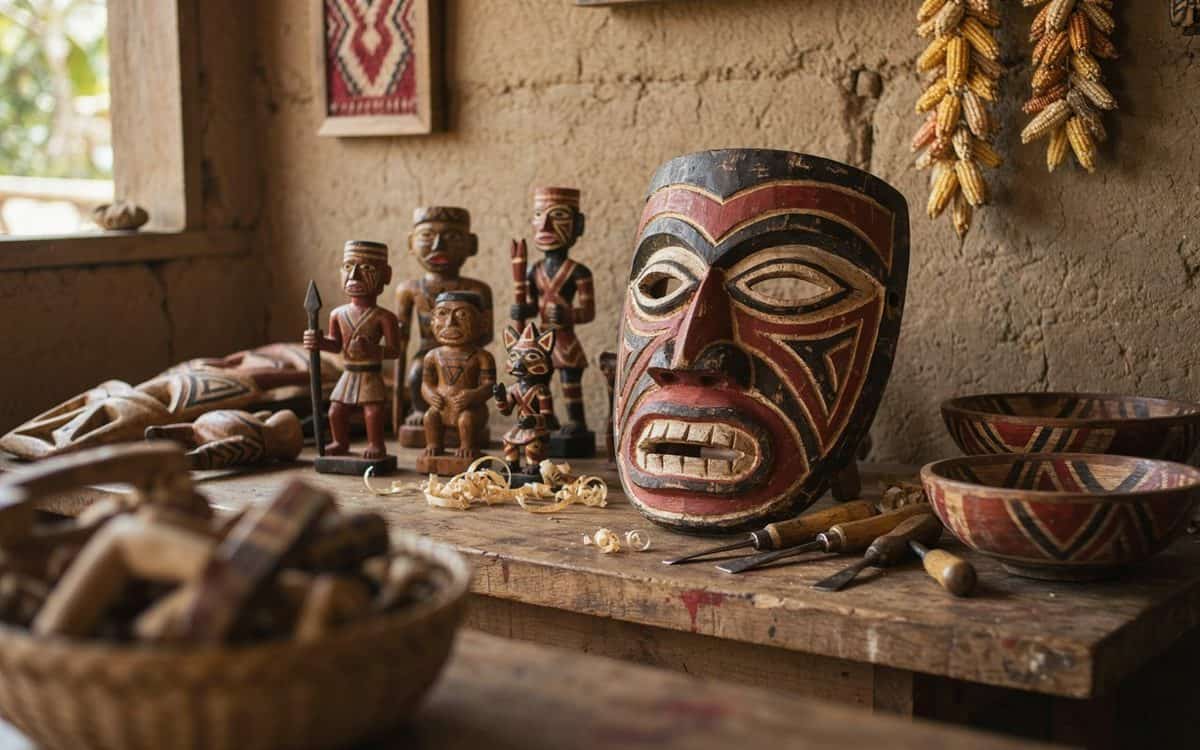
Image generated with Ai
Through a substantial tourism evolution, Boruca and local communities demonstrate heritage craftsmanship, promoting indigenous travel experiences in Costa Rica. The country is moving beyond conventional attractions by highlighting ancestral traditions, handmade artistry and community-led journeys. Indigenous villages are becoming important destinations where visitors discover authentic stories, cultural knowledge and sustainable practices. The growing interest is driven by travellers seeking meaningful connections rather than ordinary sightseeing. Through local participation, Costa Rica is protecting heritage while creating economic opportunities. Boruca and other communities prove that tourism can preserve identity, empower artisans and deliver unforgettable cultural experiences for global visitors.
| Town / Community | Region | Community-Based Tourism Focus | Craftsmanship & Cultural Heritage | Key Visitor Experiences | Tourism Impact in 2026 |
|---|---|---|---|---|---|
| Boruca | Puntarenas Province, South Pacific | Indigenous-led cultural tourism preserving Brunca traditions | Famous for handmade wooden masks, woven textiles, natural dye crafts and traditional artwork | Mask-making workshops, cultural storytelling, Indigenous festivals, craft shopping | Tourism supports Indigenous artisans and helps maintain ancestral artistic practices. Brunca crafts remain a major economic and cultural activity. |
| Sarchí | Alajuela Province | Artisan-focused tourism centred on traditional Costa Rican creativity | Known worldwide for painted oxcarts, wood furniture, decorative crafts and artisan workshops | Oxcart demonstrations, artisan markets, woodworking visits | The town has become one of Costa Rica’s strongest destinations for purchasing locally made crafts and supporting family businesses. |
| Turrialba | Cartago Province | Rural tourism based around farming communities, cooperatives and nature conservation | Traditional agricultural products, cheese-making, coffee and cacao-related crafts | Farm visits, cacao experiences, rural stays, river adventures | Tourism diversifies rural incomes while connecting visitors with farmers and local producers. |
| La Fortuna | Alajuela Province | Community tourism linked with conservation, farming and adventure experiences | Local food products, handmade souvenirs and small rural enterprises | Volcano landscapes, family-run tours, ecological activities, farm experiences | Tourism growth supports local guides, farmers and small businesses around Arenal Volcano. |
| Tortuguero | Limón Province, Caribbean Coast | Community ecotourism built around conservation and local participation | Local handicrafts, Caribbean cultural products and community enterprises | Turtle conservation, canal tours, wildlife experiences, village visits | Tourism has created local entrepreneurship opportunities while supporting rainforest and marine conservation. |
| Monteverde | Puntarenas Province | Cooperative-based ecotourism and conservation tourism | Local cheese production, handmade products and sustainable farming traditions | Cloud forest tours, community farms, ecological education | The community model connects conservation, education and local economic development. |
| Juanilama | Guanacaste Province | One of Costa Rica’s notable rural tourism communities | Traditional rural skills, farming knowledge and local cuisine | Community stays, farm activities, cultural exchanges | The community protects local traditions through small-scale tourism managed by residents. |
| La Gamba | Puntarenas Province | Conservation-driven village tourism linked with rainforest protection | Women-led natural products, local handmade goods and agricultural traditions | Rainforest visits, community walks, biodiversity experiences | Tourism provides alternative livelihoods while supporting conservation near Piedras Blancas National Park. |
| Parismina | Limón Province | Small-scale coastal community tourism | Local Caribbean traditions and handmade products | Turtle conservation, fishing culture, river and coastal experiences | Low-impact tourism helps maintain a remote village economy with limited outside development. |
| Nicoya Peninsula Communities | Guanacaste Province | Slow tourism, wellness, local culture and creative communities | Artisan studios, sustainable products, local food traditions | Surf villages, wellness retreats, cultural experiences | Communities increasingly combine creativity, sustainability and local entrepreneurship. |
Costa Rica is entering a new phase of tourism where visitors are increasingly looking beyond famous beaches, volcanoes and national parks. In 2026, smaller towns and rural communities are becoming powerful examples of how tourism can support local livelihoods while preserving cultural heritage. Community-based tourism has emerged as a key part of the country’s sustainable travel strategy, connecting travellers directly with families, farmers, Indigenous groups and artisans.
Advertisement
Unlike traditional tourism models that often concentrate revenue among large operators, community tourism focuses on local participation. Residents create experiences, operate small accommodations, guide visitors, produce crafts and share regional traditions. The approach allows tourism spending to remain within communities, creating opportunities beyond conventional hospitality jobs.
Costa Rica’s rural tourism programmes encourage communities to develop authentic experiences while promoting responsible use of natural resources. Local businesses, farms, food producers and cultural organisations are increasingly being integrated into tourism networks, helping rural areas become active participants in the national visitor economy.
Advertisement
The movement is particularly visible in towns where craftsmanship has been passed through generations. Handmade masks, traditional textiles, wooden artwork, agricultural products and Indigenous knowledge are becoming important tourism assets. These communities are not simply displaying their culture; they are using tourism as a mechanism to keep traditions alive.
Among Costa Rica’s most recognised community tourism destinations, Boruca stands out for its Indigenous heritage and extraordinary craftsmanship. Located in the southern Pacific region, the community has built a tourism model centred around preserving Brunca traditions while creating economic opportunities through art and cultural experiences.
Boruca artisans are internationally known for handcrafted wooden masks, woven textiles and traditional artworks. These creations are deeply connected to cultural identity, especially the historic Juego de los Diablitos celebration, where masks represent important symbols within Brunca heritage.
Tourism in Boruca provides visitors with opportunities to meet artisans, understand traditional production methods and learn about Indigenous history directly from community members. The experience moves beyond souvenir shopping by creating personal connections between travellers and cultural custodians.
Craftsmanship remains central to the community’s economy. Traditional weaving, natural dyes and handmade products continue to provide income while encouraging younger generations to learn ancestral techniques. Tourism has helped create stronger market opportunities for these artisans, allowing cultural practices to survive in a modern economy.
The success of Boruca demonstrates how community tourism can support both economic development and cultural preservation. Instead of replacing traditions, tourism has become a platform that increases their value.
Sarchí has developed a reputation as one of Costa Rica’s most important artisan towns, particularly because of its connection with traditional oxcart craftsmanship. The town represents the country’s colourful artistic heritage and remains a major destination for travellers seeking authentic handmade products.
For generations, local craftsmen have produced decorative wooden goods, furniture and traditional painted oxcarts. These creations reflect Costa Rica’s agricultural history when oxcarts played an important role in transporting coffee and goods across rural landscapes.
Today, Sarchí’s workshops allow visitors to see artisans at work, understand traditional painting methods and purchase locally produced crafts. Tourism has helped maintain these skills by creating demand for handmade products rather than mass-produced alternatives.
The town demonstrates how craftsmanship can become an economic foundation for communities. Small workshops, family businesses and local artists benefit from visitor spending while preserving techniques that might otherwise decline.
As travellers increasingly search for meaningful experiences, destinations like Sarchí are gaining attention because they offer cultural storytelling alongside tourism. The town’s success highlights a wider trend across Costa Rica: visitors are becoming more interested in the people behind destinations rather than only the attractions themselves.
Turrialba represents another important example of Costa Rica’s community tourism transformation. Located in the Cartago region, the town combines agricultural traditions, biodiversity and rural entrepreneurship to create immersive visitor experiences.
The area is known for farming communities that produce coffee, cacao, dairy products and other agricultural goods. Community tourism allows travellers to visit farms, learn production methods and understand the connection between food, landscapes and local livelihoods.
Farm-based tourism has become increasingly popular because visitors want direct experiences with producers. Instead of simply consuming agricultural products, travellers can participate in activities that explain farming traditions and sustainable practices.
Turrialba’s community approach also connects tourism with conservation. Local operators combine outdoor adventures, rural stays and educational experiences, creating additional income sources for farming families.
The growth of rural tourism in areas like Turrialba demonstrates how communities can diversify their economies without abandoning traditional activities. Tourism becomes a complementary industry that strengthens existing livelihoods.
Monteverde and Tortuguero show how environmental protection and community participation can work together. Both destinations have developed tourism models where local residents play important roles in conservation, guiding and visitor education.
Monteverde is recognised globally for its cloud forests and conservation initiatives. The community has built tourism around biodiversity, ecological learning and sustainable practices. Local guides, small businesses and conservation organisations contribute to a visitor economy based on protecting natural resources.
Tortuguero offers another model where tourism is closely connected with wildlife conservation. Located along Costa Rica’s Caribbean coast, the community is strongly associated with turtle protection and rainforest experiences. Tourism has created opportunities for local residents through guiding, accommodation, transport and conservation activities.
These destinations show that community tourism is not only about cultural experiences. It also allows residents to become guardians of important ecosystems while benefiting financially from conservation.
Smaller communities such as La Gamba, Parismina and villages across the Nicoya Peninsula are also expanding their role in Costa Rica’s tourism landscape.
La Gamba has developed around rainforest conservation and community experiences near protected natural areas. Tourism supports local employment while encouraging protection of biodiversity.
Parismina offers a slower coastal experience focused on fishing traditions, wildlife and community life. The village demonstrates how low-impact tourism can support remote areas without transforming them into heavily commercialised destinations.
Meanwhile, Nicoya Peninsula communities are increasingly attracting travellers interested in wellness, sustainability, local cuisine and creative lifestyles. The region’s appeal extends beyond beaches, with growing interest in community-led experiences and local entrepreneurship.
These destinations reflect a broader shift in global travel preferences. More visitors are searching for authentic interactions, locally owned businesses and experiences that create positive impacts.
| Town / Community | Region | Famous Handmade Crafts | Craft Materials & Techniques | Cultural Importance | Visitor Experience |
|---|---|---|---|---|---|
| Boruca | Southern Pacific Region, Puntarenas | Indigenous Boruca masks, woven textiles, jewellery, drums, bows and arrows, carved figures | Hand-carved balsa wood and cedar masks, natural dyes, traditional weaving techniques | Boruca masks are linked to the Indigenous Juego de los Diablitos celebration and represent identity, history and cultural resistance. | Visitors can meet Indigenous artisans, watch mask carving demonstrations and purchase authentic handmade artwork directly from communities. |
| Sarchí | Alajuela Province | Painted oxcarts (carretas), wooden furniture, bowls, decorative woodwork | Hand-painted wood, traditional geometric designs, carpentry and woodturning | Sarchí’s colourful oxcarts are among Costa Rica’s most recognised cultural symbols and represent the country’s agricultural and coffee-growing heritage. | Travellers can visit artisan workshops, observe painters creating designs and buy miniature carts, furniture and handcrafted wooden products. |
| Guaitil | Guanacaste Province, Nicoya Peninsula | Chorotega pottery, clay vessels, decorative ceramics | Traditional clay shaping, hand-building, polishing and natural pigment decoration | Chorotega pottery preserves one of Costa Rica’s oldest Indigenous artistic traditions, connecting modern crafts with pre-Columbian heritage. | Visitors can see pottery-making processes, meet ceramic artists and purchase handmade bowls, vases and traditional designs. |
| Quitirrisi (Huetar Community) | Central Valley | Handwoven baskets, straw hats, fibre crafts | Paja reeds, palm fibres, natural materials and traditional weaving methods | Huetar artisans preserve ancient plant-based craft techniques while supporting Indigenous cultural continuity. | Travellers can learn about traditional weaving and purchase handmade baskets and household crafts. |
| Turrialba | Cartago Province | Agricultural crafts, cacao products, cheese-related products, handmade rural goods | Farm-based production, traditional food-making methods and local materials | Crafts and products reflect the region’s farming identity and connection between agriculture and tourism. | Visitors can experience rural workshops, farm visits and community-led cultural activities. |
| Monteverde | Puntarenas Province | Wood carvings, sustainable crafts, handmade souvenirs, local artisan products | Recycled materials, coffee wood, locally sourced materials | Crafts support the region’s conservation-focused tourism economy and showcase environmental awareness. | Travellers can explore artisan shops and purchase products connected with rainforest conservation. |
| Nicoya Peninsula Communities | Guanacaste Province | Traditional textiles, jewellery, natural products, handmade wellness goods | Natural fibres, local materials and creative artisan techniques | Crafts reflect the region’s cultural heritage, rural lifestyle and growing wellness tourism identity. | Visitors can combine beach travel with cultural shopping and community experiences. |
| La Gamba | Puntarenas Province | Natural products, handmade crafts and community-made goods | Local agricultural materials and environmentally responsible techniques | Crafts support conservation-focused livelihoods near rainforest areas. | Visitors can purchase locally made products while supporting community conservation efforts. |
| Cartago | Cartago Province | Traditional masks, festival crafts, religious artwork, handmade decorations | Papier-mâché, wood, clay and decorative techniques | Cartago has a long history of traditional Costa Rican festival crafts and mascarada culture. | Visitors can explore markets and cultural events featuring traditional artisan products. |
| San José Artisan Markets | San José Province | Mixed Costa Rican handicrafts including masks, pottery, jewellery and wood products | Combination of Indigenous and rural craft techniques | Markets provide a platform for artisans from different regions to sell cultural products. | Tourists can discover crafts from multiple Costa Rican communities in one location. |
Costa Rica’s community tourism expansion in 2026 reflects a changing global tourism industry where sustainability, authenticity and local participation are becoming increasingly important.
The country’s rural tourism strategy continues to encourage communities to create competitive tourism products while protecting cultural and natural resources.
For travellers, these destinations offer experiences that cannot be replicated through standard sightseeing. Visitors can learn traditional crafts, share local meals, explore rural landscapes and understand the stories behind communities.
For residents, tourism provides a pathway to economic diversification. Artisans, farmers, guides and small entrepreneurs gain new opportunities while maintaining their cultural identity.
The future of Costa Rican tourism may not only be defined by its famous landscapes but also by the villages, craftspeople and communities that give the country its unique character. In 2026, community-based tourism is proving that preserving tradition and developing tourism can move forward together.
Costa Rica’s Indigenous tourism growth is reshaping the future of cultural travel because communities are gaining stronger control over their heritage and economic opportunities. The reason behind this transformation is rising demand for authentic experiences, responsible tourism and locally created products. Boruca and other rural communities demonstrate how craftsmanship, traditions and storytelling can become powerful tourism assets. The answer lies in balancing visitor growth with cultural preservation. By supporting Indigenous artisans and community enterprises, Costa Rica is creating a tourism model where travellers experience deeper connections while residents protect their identity. This approach positions the nation as a leader in meaningful sustainable travel.
Advertisement
Advertisement
Advertisement











Wednesday, September 2, 2026

Tuesday, September 1, 2026

Wednesday, September 2, 2026

Wednesday, September 2, 2026

Tuesday, September 1, 2026

Tuesday, September 1, 2026

Tuesday, September 1, 2026

Tuesday, September 1, 2026



