
Antalya Matches Malta and More as Mediterranean Hotspots Tempt Global Travellers With 31°C Heat and Endless Summer Magic

Published
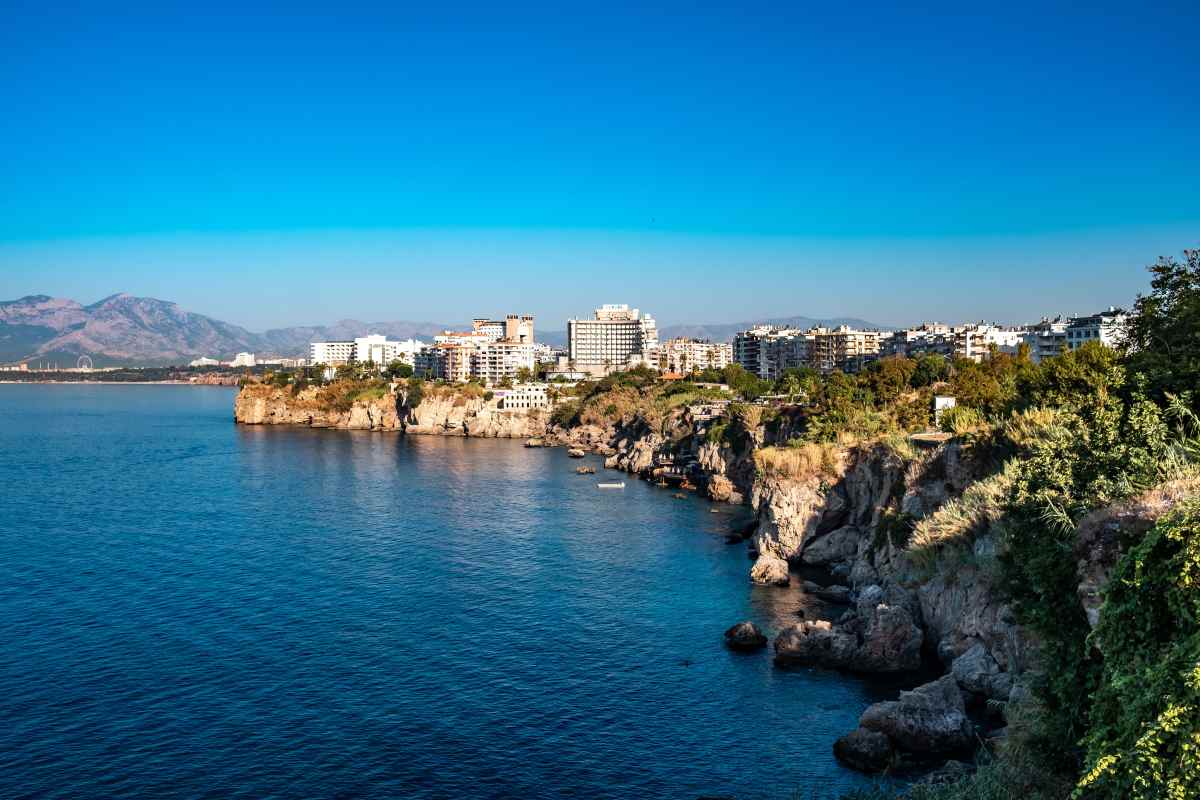
Antalya matches Malta and more Mediterranean hotspots as global travellers search for warmth, beaches and unforgettable September escapes. Antalya brings 31°C heat, while Malta and more Mediterranean hotspots continue attracting travellers with sun-filled days and endless summer magic. These Mediterranean hotspots offer more than warm weather. They combine beautiful beaches, historic towns, local cuisine and memorable coastal experiences. Meanwhile, 31°C heat makes Antalya especially appealing for travellers seeking sunshine beyond the traditional summer season. Travel And Tour World explores how Antalya, Malta and more Mediterranean destinations are keeping the summer feeling alive. Read the full story for essential travel inspiration, planning ideas and destination highlights.
Antalya and Six Mediterranean Alternatives Where September Still Feels Like Summer
Antalya is not the only Mediterranean destination where travellers can chase warm weather after Europe’s main summer season.
Several coastal cities and historic destinations offer a similar combination of sunshine, beaches, heritage, local food and outdoor experiences.
For travellers planning a September escape, the biggest advantage is flexibility.
Advertisement
Advertisement
The weather remains suitable for swimming and sightseeing in many southern European destinations.
Advertisement
Advertisement
At the same time, visitors can combine beaches with historic districts, archaeological attractions, food markets and coastal excursions.
Antalya remains particularly strong because its tourism infrastructure covers resorts, city hotels, historic accommodation and extensive coastal attractions.
The Turkish Ministry of Culture and Tourism describes Antalya as a major Mediterranean resort destination with a coastline of about 630 kilometres. The province combines beaches, ancient cities, harbours, forests and secluded coves.
Antalya Tourism Has Reached Record Levels
Antalya has developed into one of the Mediterranean’s biggest international holiday destinations.
Government figures show the destination welcomed more than 17 million visitors in 2024. The Turkish Culture and Tourism Ministry identified 17,278,103 visitors for the year, including transfer passengers.
Advertisement
Advertisement
The destination then maintained exceptionally strong momentum in 2025.
By the end of October 2025, Antalya had already welcomed 16,308,937 foreign visitors. Russia, Germany and the United Kingdom were the three largest international source markets during that period.
The October result was particularly notable.
Antalya recorded 2,216,554 foreign visitors during October 2025. That represented an 8% increase from October 2024 and the strongest October performance on record.
The destination is therefore becoming less dependent on the traditional July-August travel window.
Advertisement
Advertisement
For September travellers, that matters because the city can still provide beach conditions while offering a wider range of cultural activities.
Antalya’s Five-Year Tourism Recovery
| Year | Antalya visitor indicator | Key tourism development |
|---|---|---|
| 2021 | More than 9 million international visitors | Strong reopening recovery |
| 2022 | About 13.5 million international visitors | Major post-pandemic rebound |
| 2023 | About 16.5 million visitors | Strong expansion across international markets |
| 2024 | 17.28 million total visitors including transfer passengers | Record annual performance |
| 2025 | More than 16.3 million foreign visitors by October | Record October and continued growth |
The figures are not perfectly identical statistical measures across every year because Turkish authorities publish different series covering foreign visitors, total visitors and transfer passengers. The comparison should therefore be treated as a tourism trend rather than a single uniform statistical series. The Ministry maintains detailed tourism and border statistics by year.
Antalya’s September Climate Gives Travellers More Options
The Turkish State Meteorological Service provides long-term climate information for Antalya.
Its historical data show an exceptionally warm Mediterranean climate, with September remaining significantly hotter than most European destinations entering autumn.
This allows visitors to build a September itinerary around both the sea and the city.
Advertisement
Advertisement
Morning sightseeing can be followed by swimming during the warmer part of the day.
Evenings can then be used for Kaleiçi, waterfront dining or relaxed walks.
Travellers should still monitor the daily forecast because Mediterranean weather can change.
Sun protection is particularly important for visitors spending several hours outdoors.
Where to Go and What to Do in Antalya
A practical first stop is Kaleiçi.
Advertisement
Advertisement
The historic district provides narrow streets, traditional buildings, the old harbour and important monuments.
Visitors can combine Hadrian’s Gate, the Yivli Minaret and the old harbour during a walking itinerary.
Beach time can then be added at Konyaaltı or Lara.
Travellers wanting archaeological experiences can continue towards Perge, Aspendos or Phaselis.
Official 2025 archaeological-site information shows that Perge, Aspendos and Phaselis remain major visitor attractions in the region.
Advertisement
Advertisement
What to Eat in Antalya
Travellers should use the city as an opportunity to explore southern Turkish cuisine.
Local menus commonly feature grilled meats, fresh seafood, meze, pide, gözleme and regional vegetable dishes.
For a more traditional experience, visitors can look for family-run restaurants and local markets rather than concentrating entirely on international resort restaurants.
Kaleiçi is convenient for combining sightseeing with evening dining.
The waterfront is another useful option for travellers wanting seafood and Mediterranean views.
Advertisement
Advertisement
Where to Stay in Antalya
Travellers wanting history should consider accommodation around Kaleiçi.
Konyaaltı works well for visitors prioritising beaches and easy access to central Antalya.
Lara and Kundu are better suited to travellers seeking large resort properties and extensive hotel facilities.
Families can prioritise resort areas with pools and organised activities.
Couples may prefer smaller hotels around the historic centre.
Advertisement
Advertisement
A useful strategy is to divide a longer stay between the old city and the coast.
Six Other Destinations Offering a Similar Mediterranean Escape
1. Barcelona, Spain: Beaches Combined With a Major Historic City
Barcelona is one of the strongest alternatives for travellers who want a city holiday with beaches, architecture, food and cultural attractions. Its historic core includes the Gothic Quarter, where Roman and medieval layers remain visible around narrow streets, old churches and historic squares.
The city also offers a different type of beach experience from Antalya. Instead of staying inside a traditional resort zone, travellers can combine coastal time with museums, architecture, markets and neighbourhood dining. Barceloneta and the wider urban coastline work well for a short swimming break between sightseeing sessions. A practical three-day plan starts with the Gothic Quarter and waterfront on day one. Day two can focus on major architectural attractions and local food. Day three can combine beach time with neighbourhood exploration. Visitors should try Catalan dishes, seafood, tapas-style plates and traditional sweets. For accommodation, the Gothic Quarter, Eixample and areas near the waterfront provide different experiences. The official Barcelona tourism observatory recorded 15.6 million tourists in the city during 2024, while Destination Barcelona, including the surrounding region, reached 26.1 million. In 2025, Destination Barcelona reached 26.1 million tourists, with the city accounting for 16 million and the wider region 10.1 million. Tourism expenditure across the destination reached €14.041 billion. The city is therefore considerably more urban than Antalya, but it provides a comparable September combination of Mediterranean weather, coastal recreation, heritage and international dining.
2. Valencia, Spain: A More Relaxed Beach-and-City Alternative
Valencia is particularly attractive for travellers wanting Mediterranean beaches without giving up a substantial historic centre. The destination combines the old city, Central Market area, Turia gardens, City of Arts and Sciences and nearby coastal districts. Its food identity is another major advantage. Travellers should build paella into their itinerary because Valencia is internationally associated with the dish. A three-day visit can begin with the historic centre and market. The second day can combine the City of Arts and Sciences with the Turia area. The third day can focus on the beach and Albufera area. Accommodation around Ciutat Vella suits culture-focused visitors, while beachfront districts work better for travellers prioritising the sea. Official Visit València statistics show the city recorded 2,419,998 visitors and 6,085,962 overnight stays in registered hotels and apartments during 2024. International overnight stays represented 68.5% of total demand. The city’s 2023 figures included 2,319,546 visitors and 5,493,065 overnight stays. The recovery from the pandemic is especially clear in the longer comparison. Registered accommodation recorded 1,317,969 travellers in 2021, 2,197,133 in 2022, 2,319,546 in 2023 and 2,419,998 in 2024. For travellers seeking September sunshine, Valencia provides a strong balance between beach time, food tourism and urban sightseeing.
3. Málaga, Spain: Culture, Coast and Easy September Sightseeing
Málaga offers another strong alternative for travellers seeking southern European warmth with a developed cultural scene. The city has moved beyond its traditional reputation as simply a gateway to the Costa del Sol. Official Málaga tourism data show a broad cultural and leisure offer, including museums, monuments, galleries and historic attractions. In 2024, the city recorded 1,621,800 hotel travellers and 3,476,561 hotel overnight stays. International travellers accounted for 995,246 of those hotel visitors. Travellers can begin around the historic centre, continue towards the Alcazaba and Roman Theatre, and then spend an afternoon near the waterfront. The city’s major cultural attractions include Gibralfaro Castle, the Picasso Museum, Málaga Cathedral and the Roman Theatre Interpretation Centre. The 2024 visitor figures for Gibralfaro Castle exceeded one million, while the Picasso Museum recorded 792,197 visitors. Food should form part of the trip. Visitors can explore Andalusian tapas, grilled seafood, local fish dishes, olive oil, cured meats and regional desserts. Historic-centre accommodation works well for first-time visitors. The waterfront and modern districts provide another option for longer stays. A four-day plan allows two days for culture, one for beaches and one for a wider Costa del Sol excursion. Málaga is particularly useful for travellers who want the Mediterranean without committing the entire holiday to a resort.
Advertisement
Advertisement
4. Dubrovnik, Croatia: Old-World Heritage Beside the Adriatic
Dubrovnik is smaller than Antalya, but its combination of historic architecture, sea views and Mediterranean scenery makes it a strong September alternative. The official Dubrovnik tourism authority describes the destination as a blend of natural landscapes, Mediterranean vegetation, mild climate, historic settlements and the UNESCO-protected Old Town. Travellers can spend their first morning exploring the Old Town and then move towards the coast for swimming. A second day can be used for Lokrum Island or nearby coastal settlements. A third day can explore Cavtat or the wider Dubrovnik area. Accommodation inside or close to the Old Town suits visitors who want heritage within walking distance, while Lapad provides a more relaxed base near beaches. Food is a major part of the regional experience. Official tourism information highlights seafood, fresh fish, oysters, mussels, olive oil, local cheeses, green menestra and traditional meat dishes. The destination also promotes wines from the Pelješac peninsula, including Dingač and Postup. Dubrovnik-Neretva County recorded 2,207,662 tourist arrivals and 9,107,085 overnight stays during the first ten months of 2025. Foreign arrivals accounted for 2,035,599 of those arrivals. The corresponding 2024 period recorded 2,172,138 arrivals and 8,960,345 nights, meaning 2025 arrivals increased by about 1.6%. The official Dubrovnik tourism authority maintains annual statistics for 2021 through 2025, making it one of the better destinations for long-term comparison.
5. Paphos, Cyprus: Archaeology, Golden Beaches and Mediterranean Water
Paphos is ideal for travellers who want a smaller destination with substantial history. The official Cyprus tourism portal describes Paphos as a city where archaeological heritage, coastline and mythology meet. Kato Paphos is recognised as a UNESCO World Heritage Site, while the harbour and medieval castle form the city’s central waterfront setting. The Municipal Baths Beach is approximately 100 metres long and combines sandy sections with calm seawater, restaurants, cafés and visitor facilities. Vrysoudia B provides another sandy option with views towards the medieval castle and harbour. A four-day itinerary can include the harbour and archaeological park on day one, beach time on day two, Tombs of the Kings and nearby cultural sites on day three, and an excursion towards the Akamas region on day four. Travellers can choose accommodation around Kato Paphos for easy access to beaches and attractions. The wider Paphos region adds villages, wineries, nature areas and archaeological locations. Food options should include grilled seafood, halloumi, Cypriot meze, local pastries and traditional dishes. Paphos is especially suitable for travellers who prefer a slower holiday. Instead of moving constantly between attractions, visitors can spend mornings exploring heritage and afternoons beside the Mediterranean. The result is a compact version of the beach-and-culture formula that makes Antalya attractive.
6. Valletta, Malta: Historic Streets With Mediterranean Beaches Nearby
Valletta offers a different version of the same travel formula. The city itself is highly historic, while beaches and swimming locations are available elsewhere across Malta. The official Malta tourism authority highlights more than 7,000 years of history and identifies Valletta as one of the country’s UNESCO World Heritage locations. Travellers can use Valletta as the cultural base and then make short journeys to swimming spots across the island. The official tourism portal highlights Golden Sands, Għajn Tuffieħa and St Peter’s Pool, while Comino provides clear-water experiences. A three-day itinerary can start with Valletta’s historic centre and St John’s Co-Cathedral. The second day can focus on the Three Cities or Mdina. The third can be dedicated to swimming and a boat excursion. Food is another strong reason to visit. Official tourism information highlights Maltese ravjul, seafood, local bread, olive oil, cheese, honey and pastizzi. Tourism demand has also expanded dramatically. Malta recorded 968,000 inbound tourists in 2021, 2,286,597 in 2022, 2,975,670 in 2023, 3,563,618 in 2024 and 4,022,310 in 2025. In 2025, inbound tourism generated more than 25.4 million nights and approximately €3.904 billion in expenditure.
Five-Year Tourism Comparison Across Mediterranean Alternatives
The table below combines the most useful official annual visitor series available for each destination or its closest statistical tourism area. Because national statistical systems differ, these figures should not be treated as identical city-level measures.
| Destination | 2021 | 2022 | 2023 | 2024 | 2025 |
|---|---|---|---|---|---|
| Antalya, Türkiye* | 9m+ | 13.5m | 16.5m | 17.28m | 16.3m by Oct |
| Barcelona, Spain** | Recovery year | Strong recovery | 15.6m city | 15.6m city | 16.0m city |
| Valencia, Spain*** | 1.318m | 2.197m | 2.320m | 2.420m | Full-year city figure not yet comparable |
| Málaga, Spain*** | Pandemic recovery | Recovery | 1.801m | 1.622m hotel travellers | Latest full-year comparable city hotel series |
| Dubrovnik area**** | Official annual series | Official annual series | Official annual series | 2.17m Jan-Oct | 2.21m Jan-Oct |
| Paphos/Cyprus***** | 1.936m Cyprus | 3.202m | 3.846m | 4.041m | 4.5m+ |
| Malta/Valletta****** | 0.968m | 2.287m | 2.976m | 3.564m | 4.022m |
* Antalya figures use different published visitor definitions across the period, including foreign visitors and total visitors.
Advertisement
Advertisement
** Barcelona figures refer to city tourists rather than Destination Barcelona, except where specifically stated.
*** Valencia and Málaga figures primarily reflect registered accommodation/hotel tourism measures.
**** Dubrovnik figures available through the official tourism authority include Dubrovnik-Neretva County statistics.
***** Cyprus figures represent national tourist arrivals rather than Paphos city alone.
****** Malta figures represent national inbound tourism, while Valletta is the city-level travel focus.
Advertisement
Advertisement
Spain’s national tourism series reinforces the scale of the recovery. International arrivals increased from 31.2 million in 2021 to 71.7 million in 2022, 85.2 million in 2023, 93.8 million in 2024 and 96.8 million in 2025.
Five-Year Tourism Recovery: What the Numbers Reveal
| Destination | Main 2021-2025 trend | Strongest recent indicator |
|---|---|---|
| Antalya | Rapid post-pandemic expansion | More than 16.3m foreign visitors Jan-Oct 2025 |
| Barcelona | Strong urban tourism recovery | 16m city tourists in 2025 |
| Valencia | Sustained accommodation recovery | 2.42m visitors in 2024 |
| Málaga | High international demand | Nearly 1m international hotel travellers in 2024 |
| Dubrovnik | Strong Adriatic recovery | 9.1m nights Jan-Oct 2025 in county |
| Paphos/Cyprus | Strong island-wide rebound | More than 4m annual arrivals recently |
| Malta | Exceptional five-year growth | 4.02m inbound tourists in 2025 |
The comparison reveals a wider Mediterranean trend.
Destinations that suffered severe visitor losses during the pandemic have generally recovered strongly.
However, the recovery is no longer based exclusively on July and August.
Cities are increasingly promoting culture, gastronomy, wellness, nature, business travel and shoulder-season experiences.
Advertisement
Advertisement
That makes September increasingly valuable for travellers seeking warmer conditions without making the entire trip a traditional peak-season beach holiday.
Detailed September Travel Planning Guide
| Destination | Recommended stay | Best travel combination | Ideal September focus |
|---|---|---|---|
| Antalya | 5-7 nights | Beach + history + resort | Swimming, Kaleiçi, archaeological sites |
| Barcelona | 4-5 nights | City + beach + food | Heritage, architecture, coast |
| Valencia | 3-5 nights | Beach + food + culture | Paella, old town, Albufera |
| Málaga | 4-5 nights | Culture + beach | Museums, historic centre, Costa del Sol |
| Dubrovnik | 3-5 nights | Heritage + islands | Old Town, Lokrum, seafood |
| Paphos | 4-6 nights | Archaeology + beach | Mosaics, harbour, beaches, Akamas |
| Valletta | 3-5 nights | History + sea | Valletta, Mdina, swimming, Gozo |
Best Five-Day Antalya Travel Plan
Day 1: Arrive, settle into the hotel and explore Kaleiçi.
Day 2: Visit Hadrian’s Gate, the old harbour and historic monuments.
Day 3: Spend the morning at Konyaaltı or Lara and relax by the Mediterranean.
Day 4: Take an archaeological excursion to Perge or Aspendos.
Advertisement
Advertisement
Day 5: Combine local shopping, Turkish food and a relaxed waterfront evening.
Travellers staying longer can add Phaselis, boat excursions or additional coastal resorts.
Best Five-Day Barcelona Travel Plan
Day 1: Gothic Quarter, Cathedral area and historic streets.
Day 2: Architecture and major cultural attractions.
Day 3: Beach and waterfront.
Advertisement
Advertisement
Day 4: Markets, food districts and neighbourhood exploration.
Day 5: A wider Catalonia excursion.
The city is particularly useful for travellers who want nightlife and dining alongside daytime sightseeing.
Best Four-Day Valencia Travel Plan
Day 1: Old town and Central Market area.
Day 2: City of Arts and Sciences and Turia gardens.
Advertisement
Advertisement
Day 3: Beach and marina.
Day 4: Albufera and traditional rice cuisine.
The 2024 statistics show that international visitors are becoming an increasingly important part of Valencia’s accommodation demand, accounting for 68.5% of overnight stays.
Best Four-Day Málaga Travel Plan
Day 1: Historic centre, cathedral and Roman Theatre.
Day 2: Alcazaba and Gibralfaro.
Advertisement
Advertisement
Day 3: Beach and waterfront.
Day 4: Costa del Sol excursion or museum-focused day.
Málaga’s official 2024 statistics show 38 museums, 63 monuments and places of interest, 21 galleries and 10 gastronomic areas.
Best Four-Day Dubrovnik Travel Plan
Day 1: Old Town and historic monuments.
Day 2: Lokrum and coastal swimming.
Advertisement
Advertisement
Day 3: Cavtat or another nearby coastal destination.
Day 4: Local food, seafood and a slower Old Town experience.
Travellers should reserve additional time if they want to combine Dubrovnik with the wider islands and coastal settlements.
Best Four-Day Paphos Travel Plan
Day 1: Harbour, medieval castle and Kato Paphos.
Day 2: Archaeological attractions and mosaics.
Advertisement
Advertisement
Day 3: Municipal Baths, Vrysoudia or another coastal area.
Day 4: Akamas, Lara Beach or a regional excursion.
The official Cyprus tourism authority specifically highlights the connection between Paphos beaches, the harbour, medieval castle and nearby archaeological attractions.
Best Four-Day Valletta Travel Plan
Day 1: Valletta’s historic centre and St John’s Co-Cathedral.
Day 2: Mdina and nearby heritage attractions.
Advertisement
Advertisement
Day 3: Swimming or a Comino excursion.
Day 4: Gozo or another coastal area.
Malta’s official tourism portal promotes the island as a combination of sea, gastronomy, history and culture, making it particularly suitable for travellers who dislike single-purpose holidays.
Which Destination Is Best for September?
| Traveller type | Best choice | Why |
|---|---|---|
| Pure beach holiday | Antalya | Extensive coastline and resort infrastructure |
| Beach + major city | Barcelona | Urban attractions plus Mediterranean coast |
| Food + beach | Valencia | Paella culture, markets and coastline |
| Culture + beach | Málaga | Museums, monuments and Costa del Sol |
| Romantic heritage break | Dubrovnik | Historic Old Town and Adriatic scenery |
| Archaeology + sea | Paphos | UNESCO heritage and beaches |
| History + island escape | Valletta | Valletta, Gozo, Comino and Mediterranean swimming |
| Longer luxury holiday | Antalya | Extensive resort and accommodation supply |
| Short city break | Valencia | Compact mix of food, heritage and beaches |
| Slow travel | Paphos | Smaller scale and easy combination of attractions |
The Bigger Travel Trend Behind September Holidays
The growing popularity of these destinations reflects a wider change in Mediterranean travel.
Travellers are increasingly looking beyond the traditional summer peak.
Advertisement
Advertisement
September provides an opportunity to combine warm-weather experiences with cultural sightseeing.
Antalya demonstrates this shift particularly clearly.
Its 2025 performance showed strong visitor numbers beyond the classic July-August period. October alone generated more than 2.2 million foreign visitors.
Barcelona, Valencia and Málaga are also benefiting from travellers who want more than beaches.
Their tourism products include museums, food, architecture, conferences, shopping and neighbourhood experiences.
Advertisement
Advertisement
Dubrovnik provides a smaller heritage-focused alternative.
Paphos combines archaeology and the Mediterranean.
Valletta adds historic architecture, island excursions and local cuisine.
For global travellers, the most important lesson is therefore simple.
A September Mediterranean holiday does not need to be a final beach trip before autumn.
Advertisement
Advertisement
It can become a complete travel experience combining swimming, history, gastronomy, nature and city exploration.
For travellers comparing destinations, Antalya remains one of the strongest all-round choices, particularly for those seeking warm September weather, extensive beaches, resort infrastructure and a historic old town within one destination.
At the same time, Barcelona, Valencia, Málaga, Dubrovnik, Paphos and Valletta provide compelling alternatives for visitors who want to tailor the same late-summer concept around culture, food, archaeology or slower coastal travel.
Conclusion
Antalya matches Malta and more Mediterranean hotspots in giving global travellers a reason to extend their summer into September. With 31°C heat, inviting beaches, historic attractions and vibrant local experiences, Antalya remains an appealing choice for a late-season escape. Meanwhile, Malta, Spain, Croatia and Cyprus offer their own mix of Mediterranean sunshine, heritage and coastal adventures. Together, these destinations show that summer does not have to end when August does. Travel And Tour World encourages travellers to look beyond peak-season holidays, compare these Mediterranean hotspots and discover the destination that best suits their next unforgettable September journey.
Advertisement
