
Ascott Expands Vietnam Hospitality Footprint with New Hotels in Da Nang, Quy Nhon and Ho Chi Minh City Boosting Tourism Growth and Investment Momentum

Published
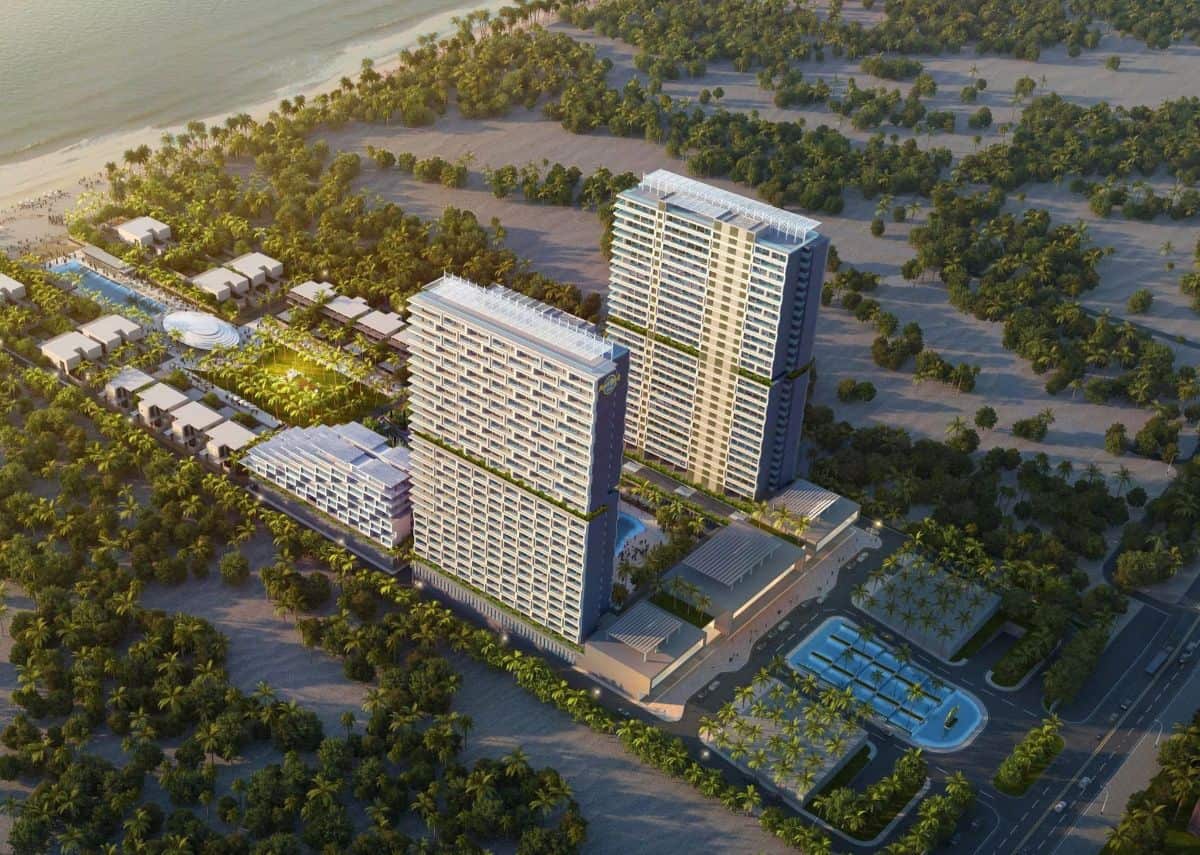
The hospitality industry in Vietnam has seen new impetus in recent times following the opening of three new hotels by The Ascott Limited in Da Nang, Quy Nhon and Ho Chi Minh City. It comes at a time when there is increased interest in developing new hotels in one of the most traveled destinations in Southeast Asia owing to international tourist visits, domestic tourism, business travels, MICE, beach getaways, and long stay requirements.
The entire range of hotels operated by Ascott is under the umbrella of CapitaLand Investment that describes The Ascott Limited as its wholly owned lodging business unit with over a thousand properties in more than two hundred and thirty cities in over forty countries.
Advertisement
Advertisement
Ascott Strengthens Vietnam Portfolio With Eight June Signings
The latest expansion marks a significant acceleration for Ascott Vietnam. The company has signed three new projects across the country’s coastal and urban markets: Somerset Non Nuoc Da Nang Resort, Citadines Quy Nhon Resort and Oakwood Thao Dien Ho Chi Minh City. Industry release details state that these agreements formed part of eight signings in Vietnam in June 2026, taking Ascott’s national portfolio to forty-three properties and more than eleven thousand three hundred units across operating and pipeline assets.
This growth shows a clear strategy. Ascott is not concentrating only on established city centres. It is building across beachfront destinations, emerging resort markets and premium residential districts. That balance allows the group to serve short-stay tourists, relocating professionals, corporate guests, families, wedding travellers, golfers and extended-stay visitors.
Advertisement
Advertisement
Vietnam’s Tourism Surge Creates A Strong Investment Climate
The timing is important because Vietnam tourism is expanding sharply in 2026. According to VietnamPlus, citing the Vietnam National Authority of Tourism’s Tourism Information Centre, the country welcomed nearly 12.3 million international visitors in the first half of 2026, up 14.9 per cent year on year. Air arrivals remained dominant, with 10.12 million visitors entering by air and accounting for 82.6 per cent of total arrivals.
This visitor growth is strengthening demand for better accommodation in multiple segments. Travellers need resorts along the central coast. Business visitors need serviced residences in large cities. Families need space and convenience. Long-stay guests need kitchens, work areas and residential comfort. Ascott’s hybrid lodging model directly responds to these shifts.
Advertisement
Advertisement
Somerset Non Nuoc Da Nang Resort Targets Beach, Golf And MICE Demand
Somerset Non Nuoc Da Nang Resort will place Ascott on one of Da Nang’s most prominent coastal corridors. The official Ascott property page says the resort will open in 2030 and sit along Non Nuoc Beach, with access to Da Nang city, the airport and Hoi An. It also states that the property will feature five hundred and forty-nine rooms, residences and villas, serving families, leisure guests and business travellers.
The resort’s location gives it strong commercial value. Non Nuoc Beach lies along the Da Nang–Hoi An coastline, a tourism corridor supported by beaches, golf courses, cultural access and premium resorts. Ascott’s project is expected to include restaurants, a beach club, swimming pools, kids’ clubs, fitness facilities and event spaces, creating a full resort environment for both short holidays and longer stays.
Advertisement
Advertisement
Da Nang’s Visitor Numbers Show Why Coastal Hospitality Is Expanding
Da Nang is already showing strong tourism momentum. The official Da Nang Tourism Promotion Centre reported that the city welcomed about 7.74 million overnight visitors in the first five months of 2026, up 20.9 per cent year on year. International visitors reached 4.18 million, while domestic visitors reached 3.55 million. The city also recorded rising overnight stays, higher tourism revenue and stronger flight connectivity.
These figures explain why beachfront resorts remain attractive to investors. Da Nang is no longer only a domestic beach city. It is becoming a regional destination for international leisure, golf tourism, weddings, MICE events, food experiences, festivals and central Vietnam itineraries. A new Somerset resort can therefore capture demand from travellers who want both beach access and flexible serviced accommodation.
Citadines Quy Nhon Resort Brings Ascott Into An Emerging Coastal Market
Citadines Quy Nhon Resort will mark Ascott’s first footprint in Quy Nhon, an emerging central-coast destination with growing recognition among leisure travellers. The project is planned as a mixed-use beachfront resort developed in two phases. The first phase, expected to open in 2030, will feature two hundred and fifty-seven villas, a clubhouse and resort facilities. The second phase, targeted for 2033, will add a one hundred-key hotel tower with dedicated guest amenities.
This development gives Quy Nhon a stronger branded hospitality product at a time when the destination is trying to move from niche coastal appeal to broader tourism visibility. The resort will support families, groups and leisure travellers through accommodation, dining, wellness and recreational facilities. Shared amenities such as a kids’ club and spa will help create a more complete resort ecosystem.
Advertisement
Advertisement
Why Quy Nhon Matters For Vietnam’s Coastal Tourism Map
Quy Nhon has long been known for its coastline, seafood, relaxed atmosphere and cultural access, but it has not had the same international profile as Da Nang, Nha Trang or Phu Quoc. That is changing. Better infrastructure, stronger connectivity and new hotel investment are gradually raising its market position.
For Ascott, the move into Quy Nhon gives the group first-mover strength in a destination that still has room to grow. For Vietnam, it supports wider tourism dispersal. Instead of concentrating coastal demand in a few crowded beach hubs, new branded resorts can help spread visitors across more provinces, reduce pressure on established destinations and create fresh economic opportunities for local businesses.
Oakwood Thao Dien Targets Corporate And Long-Stay Demand In Ho Chi Minh City
In Ho Chi Minh City, Oakwood Thao Dien Ho Chi Minh City will target a very different segment. The property is planned for Tran Ngoc Dien Street in Thao Dien, one of the city’s most established residential and lifestyle districts. The project is expected to open in 2029 with three hundred and fifty-six keys, including studios, one- to four-bedroom residences and penthouses. Planned facilities include an all-day dining restaurant, meeting spaces, a junior ballroom, an executive lounge, fitness centre, sauna and golf simulator.
Thao Dien is especially relevant for relocating professionals, corporate travellers, expatriate families and longer-stay visitors. The area is known for international schools, healthcare access, restaurants, cafés and lifestyle services. With the opening of Metro Line 1, connectivity to central districts has improved, making the location even more attractive for serviced residences.
Ho Chi Minh City Remains A High-Value Urban Travel Engine
Ho Chi Minh City continues to be one of Vietnam’s strongest urban tourism and business centres. The city’s official investment and trade portal reported that international arrivals reached nearly 4.78 million in the first four months of 2026, while domestic tourists reached around 19.2 million. Total tourism revenue climbed to approximately VND172 trillion, completing more than half of the annual target.
This makes Oakwood’s entry into Thao Dien strategically important. The city needs more flexible accommodation for consultants, investors, project teams, relocating executives, families, medical visitors and leisure guests who want residential-style comfort. Serviced apartments are well positioned because they offer more space, better live-work flexibility and a stronger sense of home than traditional hotel rooms.
Advertisement
Advertisement
Hybrid Hospitality Becomes The Core Of Ascott’s Vietnam Strategy
Ascott’s Vietnam expansion reflects the rise of hybrid hospitality. The old line between hotels, serviced residences and resorts is becoming less rigid. Travellers now combine work and leisure. Families want kitchens and larger layouts. Business guests stay longer. Digital workers need reliable spaces. Leisure travellers want wellness, dining, events and local access in one property.
By using brands such as Somerset, Citadines and Oakwood, Ascott can address different needs without depending on a single hospitality format. Somerset supports family and resort-led stays. Citadines strengthens flexible leisure and lifestyle travel. Oakwood reinforces serviced living, relocation and business accommodation. Together, the three properties give Ascott deeper coverage across Vietnam’s evolving demand base.
A Stronger Signal For Vietnam’s Long-Term Hospitality Growth
The three new assets further affirm the fact that significant lodging companies see Vietnam as a long-term destination for their growth. The country boasts of solid tourist numbers, good air connectivity, increasing local spend, growing urban areas and a coast which continues to appeal to resorts developers. It has got the edge of competitive pricing, rich culture, food tourism, corporate travel and increasing presence in Asia-Pacific travel.
When launched as expected, Somerset Non Nuoc Da Nang Resort, Citadines Quy Nhon Resort and Oakwood Thao Dien Ho Chi Minh City will boost Vietnam’s accommodation pipeline in the coming years. What is even more important about these properties is that they will play an important role in shaping the hotel market which caters to current mode of travel such as short breaks, longer stays, business trips, beach vacations and event travel.
Image Source: Ascott
Advertisement
