
France Joins Germany and More European Countries as Rail Travel Boom Transforms Tourism: All You Need to Know

Published
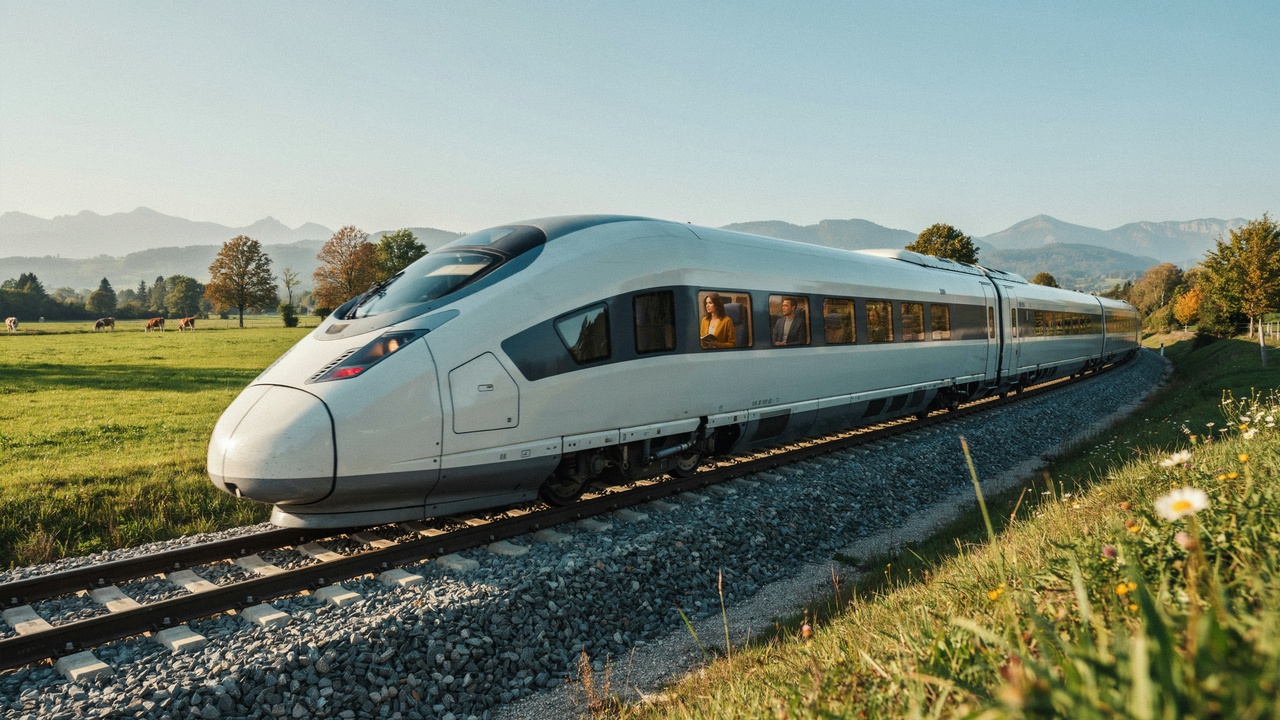
Europe’s transport landscape is entering a new era as rail travel gains stronger momentum among travellers, commuters and tourists. Train journeys across the continent have increased significantly, with rail becoming a preferred choice over long-distance bus travel for many passengers. The shift reflects changing travel habits, improved railway networks, expanding high-speed connections and growing demand for comfortable and sustainable mobility.
Across Europe, countries are investing heavily in railway infrastructure, international connections and modern passenger services. These developments are transforming how visitors explore major cities, cultural destinations and remote regions.
Advertisement
Advertisement
The rise of rail travel is also creating new opportunities for tourism. From weekend city breaks to multi-country European adventures, trains are becoming a central part of the travel experience.
Rail Travel Becomes a Major Force in Europe’s Transport Network
Railways have regained a stronger position in Europe’s passenger transport system after years of competition from road-based travel. Improved services, better connections and growing environmental awareness have encouraged more travellers to choose trains for domestic and international journeys.
Advertisement
Advertisement
European transport statistics show that passenger mobility patterns have changed significantly during the past decade. Railway services have expanded through new routes, upgraded stations and faster connections between major destinations.
The growth of rail travel has been supported by several factors:
Advertisement
Advertisement
| Factor | Impact on European Travel |
|---|---|
| High-speed railway expansion | Reduced journey times between major cities |
| Cross-border connections | Easier travel between European countries |
| Sustainability goals | Encouraged travellers to select lower-emission transport |
| Digital ticketing | Simplified booking and journey planning |
| Tourism demand | Increased popularity of scenic and cultural rail journeys |
Rail is now becoming more than a transport option. It is increasingly viewed as an important part of the holiday experience itself.
Why European Travellers Are Choosing Trains Over Buses
The changing preference between trains and buses is linked to comfort, convenience and connectivity. While buses continue to serve important routes, especially budget travel networks, trains provide advantages that appeal to a wider range of passengers.
Advertisement
Advertisement
Train passengers benefit from:
- More space during journeys
- Easy access to city centres
- Greater comfort for longer distances
- Reduced road traffic delays
- Better connections between destinations
For international tourists, rail travel offers an opportunity to visit multiple countries without complicated airport transfers.
A traveller can now move from Paris to Amsterdam, Milan to Zurich, Vienna to Prague or Barcelona to Madrid through integrated railway networks.
The development of European rail passes and digital booking platforms has also made multi-country journeys easier.
Advertisement
Advertisement
France Leads Europe’s High-Speed Rail Transformation
France remains one of Europe’s most recognised railway markets due to its extensive high-speed network. The country’s TGV services connect major cities and have helped establish rail as a competitive alternative to domestic flights.
Popular routes linking Paris with destinations such as Lyon, Marseille, Bordeaux and Strasbourg continue to attract both business and leisure travellers.
For tourism, France’s railway system provides easier access to:
| Destination | Tourism Appeal |
|---|---|
| Paris | Culture, museums and global attractions |
| Lyon | Gastronomy and heritage districts |
| Bordeaux | Wine tourism |
| Marseille | Mediterranean coastal experiences |
| Strasbourg | European institutions and historic architecture |
The strength of French rail connectivity has encouraged international visitors to explore beyond traditional tourist hubs.
Germany Expands Rail Connectivity Across Major Cities
Germany’s railway network plays a crucial role in connecting central Europe. The country’s Intercity Express (ICE) services link major urban centres while supporting cross-border tourism.
Rail connections between Germany and neighbouring countries allow visitors to combine several destinations in one journey.
Advertisement
Advertisement
Important routes include connections between:
| Route | Tourism Importance |
|---|---|
| Berlin–Munich | Links northern and southern Germany |
| Frankfurt–Cologne | Connects business and cultural centres |
| Hamburg–Berlin | Popular domestic tourism corridor |
| Munich–Austria | Gateway to Alpine destinations |
Germany’s central location also makes it a key railway hub for travellers exploring Europe.
Italy’s Railway Growth Supports Cultural Tourism
Italy has experienced strong growth in rail-based tourism as visitors increasingly use trains to explore historic cities and coastal regions.
High-speed services connect destinations such as Rome, Florence, Milan and Naples, creating easier access to some of Europe’s most visited attractions.
Rail travel supports tourism across:
- Historic cities
- Mediterranean coastlines
- Food and wine regions
- Cultural heritage destinations
For international visitors, trains provide an efficient way to experience Italy’s famous landmarks without relying on car travel.
Advertisement
Advertisement
Spain’s High-Speed Network Creates New Travel Possibilities
Spain has developed one of Europe’s largest high-speed railway systems, connecting major cities across the country.
The expansion of services has improved accessibility between destinations that were previously separated by long road journeys.
Key tourism routes include:
| Route | Visitor Benefit |
|---|---|
| Madrid–Barcelona | Connects two major tourism centres |
| Madrid–Seville | Improves access to Andalusia |
| Madrid–Valencia | Links capital and Mediterranean coast |
| Barcelona–Málaga | Supports coastal tourism |
Spain’s rail development has helped strengthen domestic and international tourism flows.
Austria and Switzerland Showcase Scenic Rail Tourism
Beyond speed and efficiency, Europe’s rail growth is also driven by scenic travel experiences.
Austria and Switzerland have developed globally recognised railway journeys that combine transportation with tourism.
Advertisement
Advertisement
Mountain rail routes, panoramic trains and Alpine connections attract travellers seeking unique experiences.
Popular experiences include:
| Country | Rail Tourism Attraction |
|---|---|
| Switzerland | Alpine panoramic railway journeys |
| Austria | Mountain landscapes and cultural routes |
| Germany | Scenic regional railway routes |
These journeys demonstrate how rail can become a destination experience rather than simply a method of transport.
Eastern Europe Strengthens Railway Tourism Connections
Countries across Eastern Europe are also improving railway infrastructure to support tourism and regional mobility.
Poland, Czechia, Hungary and other nations are upgrading connections between cities while improving international links.
These improvements are opening new opportunities for travellers visiting:
Advertisement
Advertisement
- Historic European capitals
- Cultural heritage locations
- Rural tourism areas
- Nature destinations
Better railway access is helping spread tourism benefits beyond traditional hotspots.
Rail Growth Creates a More Sustainable Future for European Tourism
Sustainability has become one of the biggest factors influencing transport choices in Europe.
Many travellers are becoming more conscious of environmental impacts and are looking for alternatives to short-haul flights and private vehicles.
Rail travel offers several sustainability advantages:
- Lower emissions compared with many road journeys
- Reduced congestion in urban areas
- Better support for public transport networks
- More efficient movement of large passenger numbers
European tourism organisations are increasingly promoting rail-based holidays as part of responsible travel strategies.
How Rail Expansion Is Changing the European Holiday Experience
The rise of train travel is reshaping the way visitors plan European holidays.
Advertisement
Advertisement
Instead of selecting one destination, travellers are increasingly creating multi-city journeys.
A single trip may now include:
- Paris cultural attractions
- Swiss Alpine landscapes
- Italian heritage cities
- Austrian mountain villages
- German historic towns
Rail connections allow travellers to experience more destinations while reducing the complexity of international travel.
This trend is particularly attractive to younger travellers, families and visitors seeking slower, experience-focused holidays.
Frequently Asked Questions
1. Why is train travel becoming more popular in Europe?
Train travel is growing because of improved railway networks, better comfort, faster services and increasing interest in sustainable transport.
2. Is travelling by train cheaper than flying in Europe?
Prices vary depending on routes, booking times and travel periods. Early bookings and rail passes can make train journeys more affordable.
Advertisement
Advertisement
3. Which European countries have the best railway networks?
Countries including France, Germany, Switzerland, Austria, Spain and Italy are recognised for extensive and well-developed rail services.
4. Can tourists travel across multiple European countries by train?
Yes. International railway connections and European rail passes allow visitors to combine several countries in one holiday.
5. Why is rail important for European tourism?
Rail helps tourists reach major cities, cultural sites and rural destinations while supporting sustainable travel and regional economies.
6. Will European rail travel continue growing?
Rail expansion is expected to remain an important part of Europe’s future mobility strategy as countries continue investing in infrastructure and passenger services.
Conclusion
Europe’s changing travel landscape highlights a powerful return of rail as a preferred way to explore the continent. Trains are becoming central to tourism because they combine convenience, comfort and connectivity. As railway networks continue expanding, travellers are gaining more opportunities to discover Europe through seamless cross-border journeys. From famous capitals to hidden regional destinations, rail travel is creating a new chapter for European tourism and transforming how millions experience the continent.
Advertisement
