
Arizona Travel Faces Major Price Shock as Grand Canyon Introduces Higher Foreign Visitor Charges

Published
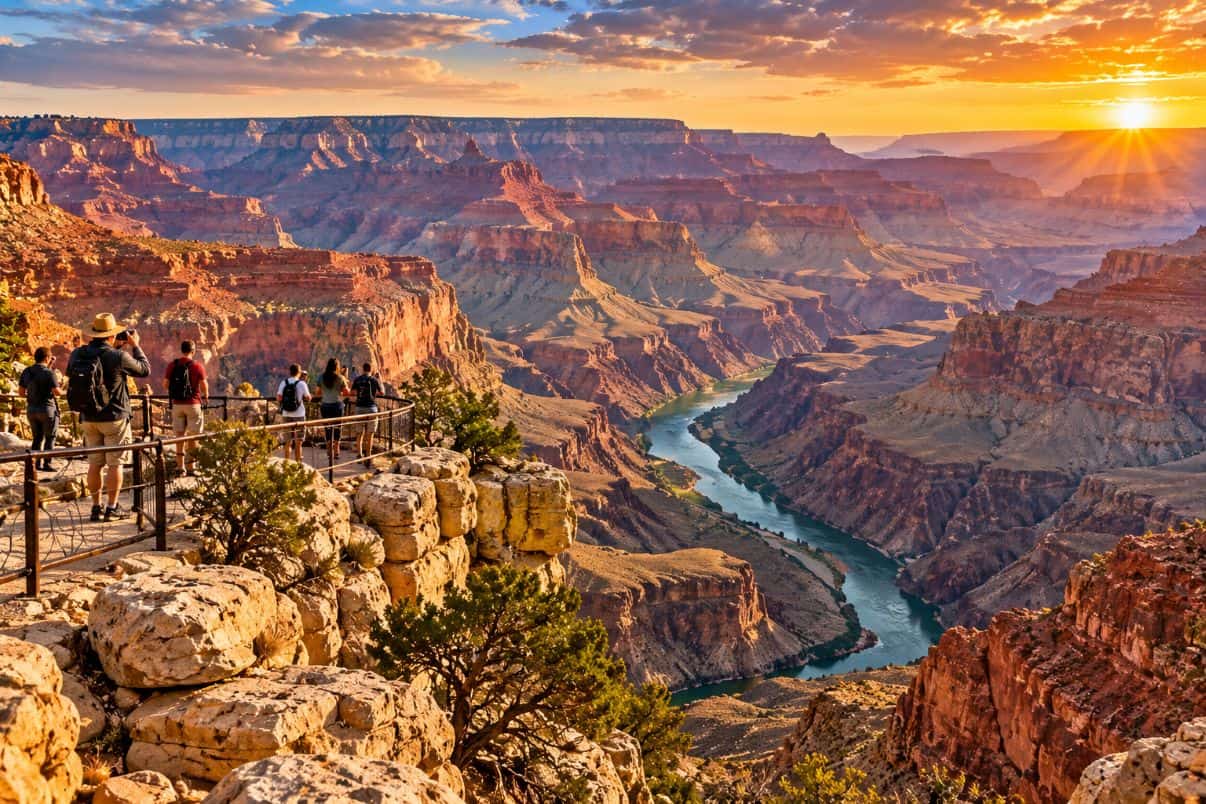
Arizona’s Grand Canyon National Park has become significantly more expensive for international tourists following the introduction of a US$100 surcharge for non-US residents aged 16 and older. The additional charge, effective from 1 January 2026, applies alongside standard entrance fees and forms part of a wider policy affecting 11 popular American national parks. Overseas families and tour groups could face considerably higher sightseeing costs, although a US$250 nonresident annual pass offers potential savings. The changes have renewed debate about affordability and international tourism. Travellers should review official fee rules, park access conditions and available passes before planning their American national park holidays.
Grand Canyon Travel Costs Rise as Foreign Visitors Face Additional $100 Charge
The National Park Service introduced revised entrance fee arrangements on 1 January 2026.
Advertisement
Advertisement
Under the policy, non-US residents aged 16 and older must pay an additional US$100 when entering the Grand Canyon without a qualifying annual pass.
The surcharge applies alongside the park’s standard admission charges.
Advertisement
Advertisement
For private vehicles, the published entrance fee is US$35, covering the vehicle and its occupants for seven days.
However, the additional nonresident fee is calculated separately for each eligible visitor.
Advertisement
Advertisement
The policy is based on residency rather than nationality alone.
US residents should carry appropriate documentation when seeking resident admission rates.
Advertisement
Advertisement
The surcharge is already in force and is not a proposed future increase.
International Families Could Face Substantial Increases in Grand Canyon Entrance Expenses
The revised fee structure can significantly affect families travelling together.
For example, two non-US resident adults entering the Grand Canyon in one private vehicle would ordinarily pay US$235 without a qualifying annual pass.
This includes the standard US$35 vehicle entrance charge and two US$100 nonresident surcharges.
Advertisement
Advertisement
A family containing four chargeable nonresident visitors could face US$435 under the same arrangement.
These examples assume one private, non-commercial vehicle and no applicable exemptions.
Children younger than 16 are not subject to the additional nonresident surcharge.
However, travellers should confirm the final amount before visiting, particularly when using commercial tours or different entrance categories.
America the Beautiful Annual Pass Could Deliver Major Savings for Overseas Tourists
The National Park Service offers a nonresident America the Beautiful Annual Pass costing US$250.
The pass covers applicable entrance charges and nonresident surcharges for the passholder and accompanying passengers in one eligible private vehicle.
Advertisement
Advertisement
This arrangement can provide substantial savings for families and visitors planning several national park visits.
For example, three chargeable nonresident adults entering the Grand Canyon together could otherwise face US$335 in entrance charges.
A qualifying US$250 annual pass would be less expensive.
However, travellers should verify the pass’s coverage conditions before purchasing.
The National Park Service also states that valid annual passes purchased before 1 January 2026 remain recognised under their original terms.
Yellowstone, Yosemite and Zion Join Grand Canyon Under Higher Foreign Visitor Fees
The new surcharge affects 11 prominent national park destinations.
Advertisement
Advertisement
These include Grand Canyon, Yellowstone, Yosemite, Zion, Bryce Canyon, Glacier, Grand Teton, Rocky Mountain, Everglades, Acadia, and Sequoia and Kings Canyon National Parks.
The policy therefore extends beyond Arizona and affects international visitors planning multi-state road trips.
However, the additional US$100 charge does not apply universally across every national park in the United States.
Travellers should check the specific entrance requirements for each destination.
The revised arrangements could influence how overseas visitors organise national park itineraries.
Those planning several eligible park visits may find the annual pass more economical than purchasing separate admissions.
Advertisement
Advertisement
US Government Says Revised National Park Fees Will Support Infrastructure Improvements
The US Department of the Interior announced the revised fee policy in November 2025.
The changes became effective on 1 January 2026.
According to the department, the revised structure aims to generate additional revenue for park maintenance, visitor facilities and infrastructure improvements.
US residents continue to qualify for an America the Beautiful Annual Pass priced at US$80.
Nonresidents pay US$250 for the corresponding annual pass.
The difference has generated debate concerning affordability and international visitor access.
Advertisement
Advertisement
However, the policy’s stated objectives should be distinguished from its eventual economic effects.
Any assessment of whether the changes improve infrastructure or reduce international tourism demand will require subsequent government data.
Grand Canyon South Rim Remains a Major Destination for International Sightseeing
The Grand Canyon’s South Rim continues to offer internationally recognised scenery, panoramic viewpoints and established visitor facilities.
Travellers can explore designated walking routes, observation areas and scenic overlooks.
The park also operates shuttle services on selected routes.
However, visitors should plan journeys carefully because distances within the park can be substantial.
Advertisement
Advertisement
Weather conditions, road congestion and seasonal visitor demand may affect access.
International tourists should also consider accommodation availability before departure.
The National Park Service provides official information about road conditions, entrance stations and visitor services.
A higher entrance fee does not guarantee access to every trail, viewpoint or facility.
North Rim Restoration Creates Additional Challenges for Arizona Tourism
The Grand Canyon’s North Rim has faced significant disruption following the 2025 Dragon Bravo Fire.
The wildfire caused extensive damage, while subsequent infrastructure problems created further restoration challenges.
Advertisement
Advertisement
Reporting published by Cronkite News in October 2026 identified continuing concerns affecting tourism businesses in nearby communities.
However, the North Rim’s restoration difficulties are separate from the new foreign visitor surcharge.
Travellers should not assume that both rims offer identical access or facilities.
The North Rim and South Rim require different travel arrangements.
Visitors should check current National Park Service notices before booking accommodation or planning hiking activities.
Restoration work and seasonal conditions may affect individual facilities and trails.
Advertisement
Advertisement
Phoenix and Las Vegas Provide Important Gateways for Grand Canyon Visitors
International tourists commonly begin Grand Canyon journeys through Phoenix or Las Vegas.
Both cities provide access to airports, accommodation and rental vehicles.
Flagstaff and Williams also serve as important gateway communities for Grand Canyon tourism.
Visitors travelling by road should allow sufficient time for the journey and possible congestion at park entrances.
The South Rim is accessible through established highways and visitor transport services.
However, driving distances can be considerable, particularly for travellers combining several destinations.
Advertisement
Advertisement
Visitors should confirm whether their accommodation is located inside or outside the national park.
Transport arrangements and entrance fees should be included when calculating the total holiday budget.
Higher Entrance Charges Could Influence International Tourism Spending
The additional surcharge may affect how overseas travellers plan visits to American national parks.
Families could face higher admission expenses, while tour operators may need to adjust package prices.
Visitors travelling through several states may reconsider the number of parks included in their itineraries.
However, the available government information does not establish how many international tourists have cancelled Grand Canyon holidays because of the fee changes.
Advertisement
Advertisement
There is also no verified national figure for tourism revenue lost as a direct consequence.
Arizona’s tourism industry faces separate challenges associated with North Rim restoration.
The economic effects of entrance fees and infrastructure disruption should therefore be evaluated independently.
Conclusion: Grand Canyon’s New Fees Make Advance Travel Planning More Important
Grand Canyon travel costs have increased for many international visitors following the introduction of the US$100 nonresident surcharge. Families and tour groups may face substantially higher entrance expenses, particularly when several chargeable adults travel together. However, the US$250 America the Beautiful Non-Resident Annual Pass can offer savings for eligible visitors exploring one or more national parks. Travellers should also check South Rim access, North Rim restoration updates and transport arrangements before departure. The policy is already operational, but its wider impact on international tourism remains uncertain. Careful budgeting and reliable government information can help visitors plan their holidays.
Advertisement
