
Hundreds of Travellers Affected across Asia with 496 Cancellations and 5,189 Delays at Medina, Bengaluru and More Airports

Updated
Published
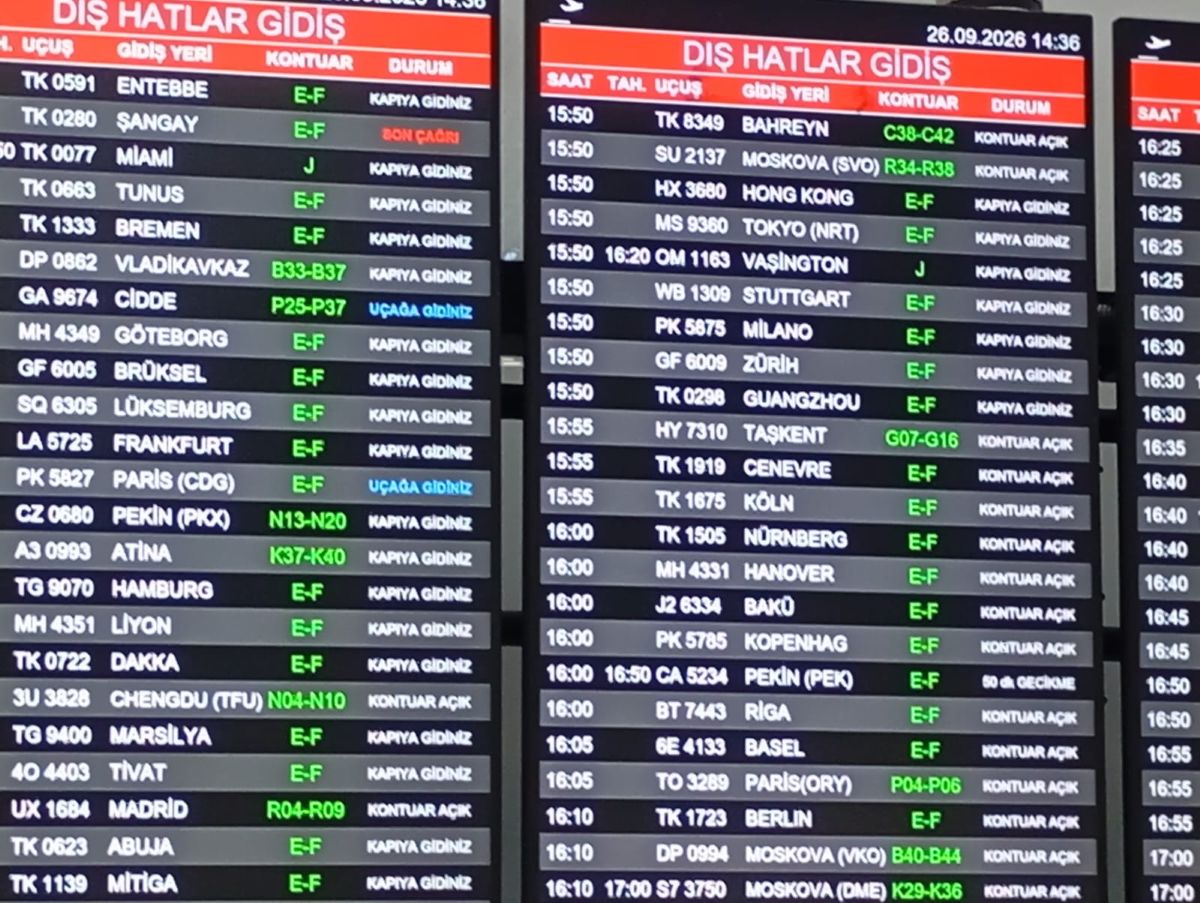
Major airports in Asia have reported 5,189 delays and 496 flight cancellations, disrupting local and international travel for hundreds of passengers. Airports in Medina, Bengaluru, and other places are dealing with operational difficulties as aviation services are still impacted by bad weather, a lot of rain, low visibility, and regional security issues. In the meantime, flight operations in Indonesia have been hampered by strong haze from forest fires, and schedules in India have been impacted by heavy rain. Passengers’ concern has also increased as a result of airport restrictions and airline suspensions brought on by missile and drone assaults in Saudi Arabia. As a result, travellers face missed connections, longer waiting times and unexpected changes to their plans. Airlines are working to restore services and minimise further disruption across affected routes.
India Faces Heavy Flight Disruptions as Delhi and Mumbai Lead Airport Delays in Asia
India recorded some of the highest airport disruption figures across Asia. Delhi’s Indira Gandhi International Airport reported 648 delays and eight cancellations, the largest number of delays at any listed airport.
Advertisement
Advertisement
Mumbai’s Chhatrapati Shivaji Maharaj International Airport followed with 310 delays and 22 cancellations. Bengaluru’s Kempegowda International Airport recorded 146 delays and nine cancellations, while Hyderabad reported 91 delays and four cancellations.
Ahmedabad experienced 65 delays and four cancellations. Lucknow registered 33 delays and five cancellations, while Kochi reported 37 delays and six cancellations. Navi Mumbai recorded 23 delays and ten cancellations, highlighting disruption across several Indian cities.
Advertisement
Advertisement
IndiGo, Akasa Air and Air India Report Significant Operational Pressure
IndiGo recorded 723 delays, affecting 32% of its measured flights, alongside 20 cancellations reported at 0% after rounding. Air India registered 216 delays, representing 36%, and eight cancellations, or 1%.
Akasa Air recorded 28 cancellations, accounting for 11%, alongside 53 delays, or 20%. SpiceJet reported five cancellations, representing 7%, and 39 delays, affecting 59% of its measured services.
Advertisement
Advertisement
China, Indonesia and Southeast Asia Experience Widespread Aviation Disruptions
China recorded substantial disruption across several major airports. Beijing Capital reported 173 delays and 11 cancellations, while Beijing Daxing registered 111 delays and seven cancellations.
Guangzhou Baiyun recorded 140 delays and three cancellations. Chengdu Tianfu reported 95 delays and four cancellations, while Kunming Changshui experienced 79 delays and seven cancellations.
Advertisement
Advertisement
Air China reported 19 cancellations, or 1%, and 154 delays, or 8%. China Eastern recorded six cancellations, rounded to 0%, alongside 347 delays, representing 14%. Tianjin Airlines registered 17 cancellations, or 5%, and 16 delays, or 4%.
Indonesia, Thailand, Malaysia and Vietnam Face Significant Delays
Indonesia’s Jakarta Soekarno-Hatta Airport recorded 286 delays and 32 cancellations. Makassar registered 102 delays and seven cancellations, while Surabaya experienced 58 delays and five cancellations.
Batik Air reported 26 cancellations, or 8%, and 84 delays, or 27%. Garuda Indonesia recorded eight cancellations, or 3%, and 58 delays, or 23%. Citilink reported nine cancellations, or 3%, and 43 delays, representing 16%.
Elsewhere, Bangkok Suvarnabhumi recorded 279 delays and two cancellations. Kuala Lumpur reported 225 delays and three cancellations, while Ho Chi Minh City’s Tan Son Nhat registered 245 delays and eight cancellations.
Advertisement
Advertisement
Vietnam Airlines recorded seven cancellations, or 1%, and 86 delays, accounting for 21%.
Nepal and Middle Eastern Airports Add to Regional Travel Disruption
Nepal’s Tribhuvan International Airport recorded 156 delays and 16 cancellations. Shree Airlines reported 16 cancellations, representing 28%, and 20 delays, or 35%.
Middle East Flight Disruptions Hit Saudi Arabia, UAE, Qatar, Bahrain and Jordan
Major airports across the Middle East have also reported significant flight disruptions, with Saudi Arabia, the United Arab Emirates, Qatar, Bahrain and Jordan experiencing cancellations and delays. According to the supplied airport data, Jeddah recorded 159 delays and 46 cancellations, the highest cancellation figure among the listed Middle Eastern airports. Meanwhile, Riyadh’s King Khalid International Airport reported 35 cancellations and three delays, while Dammam’s King Fahd International Airport registered 34 cancellations and 41 delays.
In the United Arab Emirates, Dubai International Airport experienced 178 delays and 13 cancellations. Sharjah International Airport recorded 54 delays and 14 cancellations, showing that disruptions extended across multiple UAE aviation hubs.
Qatar’s Hamad International Airport in Doha reported 125 delays and 16 cancellations. Bahrain International Airport registered 30 delays and nine cancellations, while Jordan’s Queen Alia International Airport in Amman recorded 31 delays and eight cancellations.
Medina’s Prince Mohammad Bin Abdulaziz International Airport also experienced 31 delays and nine cancellations, adding to the disruption reported across Saudi Arabia’s major aviation gateways.
Advertisement
Advertisement
Emirates, Qatar Airways, Air Arabia and Saudi Carriers Report Flight Disruptions
Several leading Middle Eastern airlines also recorded operational disruption. Qatar Airways reported 112 delays, representing 18% of its measured flights, alongside 16 cancellations, accounting for 2%.
Air Arabia registered 41 delays, or 16%, and 16 cancellations, representing 6%. Emirates recorded 112 delays, affecting 21%, alongside five cancellations, reported at 0% after rounding. Etihad Airways experienced 72 delays, or 21%, and two cancellations, also rounded to 0%.
Among Saudi Arabian carriers, Saudia reported 92 delays, representing 19%, and one cancellation, rounded to 0%. Flynas recorded 38 delays, or 13%, and two cancellations, reported at 0%. Flyadeal registered 19 delays, or 9%, alongside three cancellations, representing 1%. Riyadh Air reported nine cancellations, accounting for 32%, with no delays recorded.
Elsewhere, Bahrain’s Gulf Air reported 18 delays, or 12%, and seven cancellations, or 5%. Royal Jordanian recorded 15 delays, representing 10%, alongside eight cancellations, or 5%. Jordan Aviation reported one delay, or 8%, and two cancellations, representing 16%.
What Affected Passengers over Asia Should Do Now
- Travellers should verify flight status directly through their airline’s website or mobile application before leaving for the airport.
- They should also monitor airport announcements and check connecting flights separately.
- Passengers facing cancellations should contact their airlines to request available rebooking or refund options under the applicable ticket conditions and passenger-rights rules.
- Those experiencing lengthy delays should ask whether meals, accommodation or alternative flights are available.
- Travellers should retain booking confirmations and receipts for unexpected expenses.
- They should also check travel insurance coverage before making additional arrangements.
Data Verification Notice
The data presented in this report has been carefully compiled and analysed by our editorial team using real-time aviation statistics captured on 15 October 2026 at 3:06 pm ET (USA), corresponding to 16 October 2026 at 12:36 am IST (India).
Primary Data Source: FlightAware, Local Correspondent
Advertisement
Advertisement
Editorial Verification: All reported figures have undergone independent review and cross-verification by our human editorial team to ensure accuracy and reliability. Timestamped flight records, operational data logs and original tracking snapshots have been securely archived for future reference, historical verification and editorial transparency.
Important Note: Flight-tracking information reflects live aviation activity and operational conditions at the time of data collection. As airline schedules and flight statuses change, minor differences may appear between these recorded statistics and the information published by individual airports or airlines.
Explore our previous articles on flight disruptions across Asia through this link for more updates and detailed coverage.
Advertisement
Verified by Rana Pratap
