
Japan is Strengthening its New Travel Rules as the Foreign Visitors to See More Entry Updates Across Asia Tourism Routes

Published
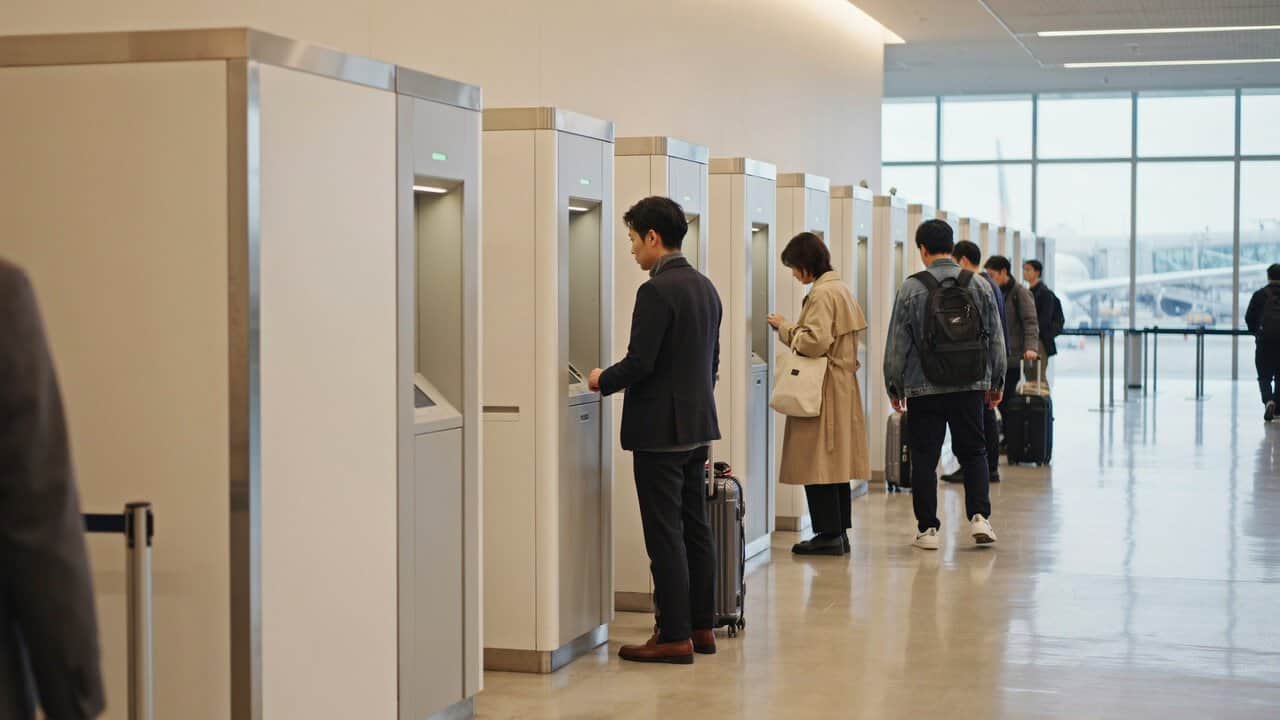
Image generated with Ai
Japan’s Travel Rules continue evolving as the country manages increasing international visitor arrivals through established visa procedures, passport requirements and border administration systems. The latest verified framework confirms that Japan maintains short-term visa exemption arrangements for eligible nationalities while requiring other visitors to complete formal applications before travel. The measures affect international tourists, business travellers and tourism operators preparing for Japan’s growing inbound market. The development reflects continued efforts to maintain efficient entry procedures while supporting international travel.
Understanding Japan’s Entry Policy Development
Japan’s current travel administration is centred on visa eligibility, passport compliance and immigration procedures rather than a single new restriction affecting all overseas visitors. The following assessment examines the main verified components of the development and their relevance for travellers.
| News Component | Share of Story (Editorial Assessment) | Officially Verified Finding | Relevance to Travellers | Official Source |
|---|---|---|---|---|
| Visa exemption arrangements | 30% | Japan maintains short-term visa exemption arrangements with 74 countries and regions. Eligible travellers can enter Japan without obtaining a short-term visa before departure, subject to nationality-specific conditions and passport requirements. | Determines whether travellers can visit Japan for short stays without applying for a visa in advance. | Ministry of Foreign Affairs of Japan |
| Visa application procedures | 25% | Travellers from countries and regions not covered by Japan’s visa exemption arrangements must complete visa application procedures and provide required documents according to official requirements. | Affects travel preparation time, documentation requirements and pre-departure planning. | Ministry of Foreign Affairs of Japan |
| Passport and entry requirements | 20% | Foreign visitors must hold valid passports and satisfy Japan’s entry conditions. Some visa exemption arrangements require travellers to hold compliant electronic passports. | Travellers must confirm passport eligibility before booking flights and travelling. | Ministry of Foreign Affairs of Japan / Japan National Tourism Organization |
| Digital visa administration | 15% | Japan provides electronic visa services for eligible applicants from selected countries and regions, allowing certain travellers to complete visa procedures online. | Creates additional digital options for eligible visitors and may simplify parts of the application process. | Ministry of Foreign Affairs of Japan |
| Tourism management and border processing | 10% | Japan’s continued increase in international visitors has increased the importance of efficient immigration procedures, airport processing and visitor management systems. | Affects how smoothly international arrivals are processed and managed. | Japan Tourism Agency / Japan National Tourism Organization |
The evidence confirms that Japan’s current development is mainly related to ongoing visa administration, passport compliance and border management. Available official information does not confirm a new universal entry restriction or a broad change affecting all foreign visitors. Travellers should understand that requirements continue to depend on nationality, passport status and travel purpose.
Current Situation: Japan Maintains Structured Entry Procedures for Foreign Visitors
Japan’s current entry system continues operating through separate pathways for visa-exempt and visa-required travellers. Eligible visitors from listed countries and regions can access short-term visa-free travel arrangements, while other nationalities must complete visa procedures before entering Japan.
Advertisement
Advertisement
The present situation reflects a continued administrative approach rather than a sudden border closure or broad restriction. Travellers planning visits must verify their individual requirements before departure because conditions vary according to nationality and travel purpose. The development shows how Japan Strengthens Travel Rules through structured systems designed to manage international movement.
Why the News Matters for International Travellers and Tourism
Japan’s entry framework matters because visa and passport procedures directly influence how travellers prepare for international journeys. Visitors who require prior approval need to consider application timelines, supporting documents and official requirements before confirming travel arrangements.
Advertisement
Advertisement
The development is also relevant to the tourism industry because airlines, accommodation providers and travel agencies rely on predictable entry procedures. Efficient visitor processing supports international connectivity, while unclear or incomplete documentation can create challenges for passengers.
The importance extends beyond individual travellers. Japan’s continued tourism growth requires systems capable of managing international arrivals while maintaining immigration standards. The country’s approach demonstrates the connection between tourism expansion and border administration.
Chronology of Events: How Japan’s Visitor Entry Framework Has Developed
Japan has maintained visa exemption arrangements with selected countries and regions as part of its international travel policy. The current system allows eligible passport holders to enter for short-term stays under specific conditions.
Over time, Japan has expanded digital administration within its visa procedures. Electronic visa services have been introduced for eligible applicants from selected countries and regions, allowing some travellers to complete parts of the process online.
As international tourism recovered and expanded, visitor management became an increasingly important issue. Japan has continued improving administrative procedures while maintaining established immigration requirements.
The current position remains based on nationality-specific requirements. Some travellers continue benefiting from visa exemption arrangements, while others must complete formal applications before departure.
Advertisement
Advertisement
How the Development Came Together: Understanding Japan’s Visitor Management Approach
- Tourism Growth and Border Administration Requirements
The immediate factor behind Japan’s continued focus on entry procedures is the need to manage international mobility through organised systems. Official sources confirm the existence of structured visa and passport requirements, but they do not identify one single new policy change affecting all visitors.
Japan’s tourism sector has experienced strong international demand, increasing the importance of efficient immigration operations. However, increased visitor numbers alone do not establish that every border measure was created because of tourism growth. The verified link is that tourism activity requires effective systems for processing eligible travellers.
- Visa Procedures and Digital Administration
Visa management remains one of the strongest confirmed elements of Japan’s travel framework. Visitors who are not covered by exemption arrangements must follow application procedures established by Japanese authorities.
Digitalisation has become part of this system through electronic visa services. These tools aim to simplify certain application processes, although eligibility depends on nationality, residence and travel circumstances.
- Passport Requirements and Traveller Preparation
Passport compliance remains essential for international visitors. Japan requires foreign travellers to hold valid passports and meet entry conditions applicable to their situation. For travellers, this means preparation remains a key part of international travel planning. Checking requirements before departure helps avoid problems related to documentation or eligibility.
The strongest verified explanation is that Japan continues refining visitor administration as international travel demand develops. The main supporting condition is the need for efficient border management. The unresolved element is whether future policy adjustments will introduce additional requirements beyond the current framework.
Advertisement
Advertisement
Verified Figures and What They Mean: Japan’s Tourism Growth and Entry System Pressure
Official tourism data shows that Japan has remained a major international travel destination, creating greater demand for efficient visitor management systems. International visitor arrivals recovered strongly after border restrictions were removed, increasing the importance of immigration processing capacity, airport operations and destination management.
| Category | Official Figure / Data | Reporting Period | Travel Relevance |
|---|---|---|---|
| International visitor arrivals | 25.07 million foreign visitors | 2023 | Shows inbound tourism recovery and need for effective entry systems |
| International visitor arrivals | 36.87 million foreign visitors | 2024 | Demonstrates continued overseas travel demand |
| Tourism spending | ¥8.14 trillion | 2024 | Shows economic importance of inbound tourism |
| Visa exemption arrangements | 74 countries and regions | Current framework | Determines visa-free entry eligibility |
| Electronic visa services | Available for eligible applicants | Current framework | Provides digital application options |
The figures indicate that Japan’s international tourism sector has expanded significantly, increasing the importance of organised entry procedures. However, the data does not prove tourism growth alone caused every administrative measure. For travellers, entry requirements remain nationality-specific. Visitor numbers, tourism spending and administrative systems are connected, but individual travel conditions depend on passport status and official eligibility rules.
Official Statements: Authorities Confirm Continued Focus on Visitor Administration
Official information confirms that Japan continues operating a structured visa system based on nationality, travel purpose and length of stay. Eligible travellers can visit Japan under visa exemption arrangements, while other visitors must complete formal application procedures. Government guidance confirms that travellers must check entry conditions before departure because requirements differ between countries and regions. Passport validity, required documents and application procedures remain important factors.
The official position remains centred on maintaining smooth travel procedures while ensuring appropriate immigration controls. The available evidence supports that Japan Strengthens Travel Rules through continued administration and digital improvement. It does not confirm a new restriction affecting all foreign visitors.
Tourism and Traveller Impact: Who Is Affected by Japan’s Entry Framework?
The immediate impact of Japan’s entry procedures is strongest among travellers whose nationality requires a visa before arrival. These visitors need to complete applications, prepare supporting documents and consider processing timelines before finalising travel plans. Travellers from visa-exempt countries generally face fewer pre-departure requirements. However, they must still carry valid passports and satisfy Japanese immigration conditions.
Airlines and travel operators are also connected to these procedures because passenger eligibility must be confirmed before travel. Incorrect documentation can create difficulties during check-in or boarding. he verified impact is focused on preparation and compliance. Travellers need accurate information before departure, while tourism businesses require predictable visitor procedures.
Advertisement
Advertisement
Wider Travel-Industry Analysis: Balancing Accessibility and Border Management
Japan’s approach reflects a wider global challenge facing tourism destinations: managing increased international mobility while maintaining effective border systems. Many countries have expanded digital travel administration and improved immigration technology as international passenger numbers have recovered.
Japan’s tourism sector depends on transport networks, accommodation providers, cultural attractions and regional destinations that rely on international accessibility. The wider industry impact is mainly linked to operational planning. Airlines, travel agencies and tourism businesses must continue monitoring official updates.
Global Context: Japan’s Entry Management Reflects Wider International Travel Trends
Japan’s approach follows a broader international movement towards digital immigration systems and structured visitor screening.
Countries worldwide have introduced online applications, electronic authorisation systems and improved border technology to manage international travel.
Entry systems differ significantly between destinations. Visa exemption agreements, passport requirements and application procedures depend on national immigration policies.
For travellers, this shows why checking destination-specific requirements remains essential.
Advertisement
Advertisement
Practical Information for Travellers: What Visitors Need to Know Before Entering Japan
Travellers planning a trip to Japan should confirm their requirements before departure. Entry conditions depend on nationality, passport type, travel purpose and length of stay.
Important preparation steps include:
- Check current Japanese visa requirements.
- Confirm passport validity.
- Verify electronic passport requirements.
- Complete visa applications when required.
- Prepare supporting documents.
- Check official immigration information.
- Confirm airline documentation requirements.
- Keep travel records available.
Travellers should rely on official government guidance because requirements can change according to policy decisions.
What Travellers Should Do Next: Preparing for Japan Entry Requirements
Travellers planning visits to Japan should continue monitoring official updates and confirm requirements before departure.
Affected travellers should:
- Review the latest visa information.
- Confirm passport requirements.
- Apply early if a visa is required.
- Check official updates.
- Confirm airline requirements.
- Keep travel documents.
- Allow sufficient processing time.
The situation currently requires awareness rather than immediate changes for most travellers.
Advertisement
Advertisement
Japan’s Visitor Management System Will Continue Developing
Japan’s future travel administration is expected to remain focused on efficient processing, digital services and clear visitor procedures. The country’s continued tourism growth means border management will remain an important area of attention.
At present, there is no confirmed announcement of a universal new entry restriction. Future developments will depend on official reviews, tourism demand and operational requirements. Travellers and tourism businesses should continue following government updates rather than relying on unofficial information.
Japan’s Travel Rules Continue Supporting Secure International Tourism
Japan’s Travel Rules framework continues evolving through established visa procedures, passport requirements and visitor management systems. The country remains open to international tourism while maintaining nationality-based entry conditions. Official data confirms strong visitor recovery, increasing the importance of efficient border administration. Travellers must verify requirements before departure and prepare correct documentation. The future direction will depend on confirmed government decisions, digital improvements and tourism demand. Japan’s approach shows how destinations are adapting travel systems to manage international mobility while supporting tourism growth. Visitors should continue following official updates for accurate preparation and smoother journeys.
Advertisement
