
Shikoku Island Emerges as Hidden Travel Gem in Japan With 88 Temples, Mountain Forests and Legendary Food Culture

Published
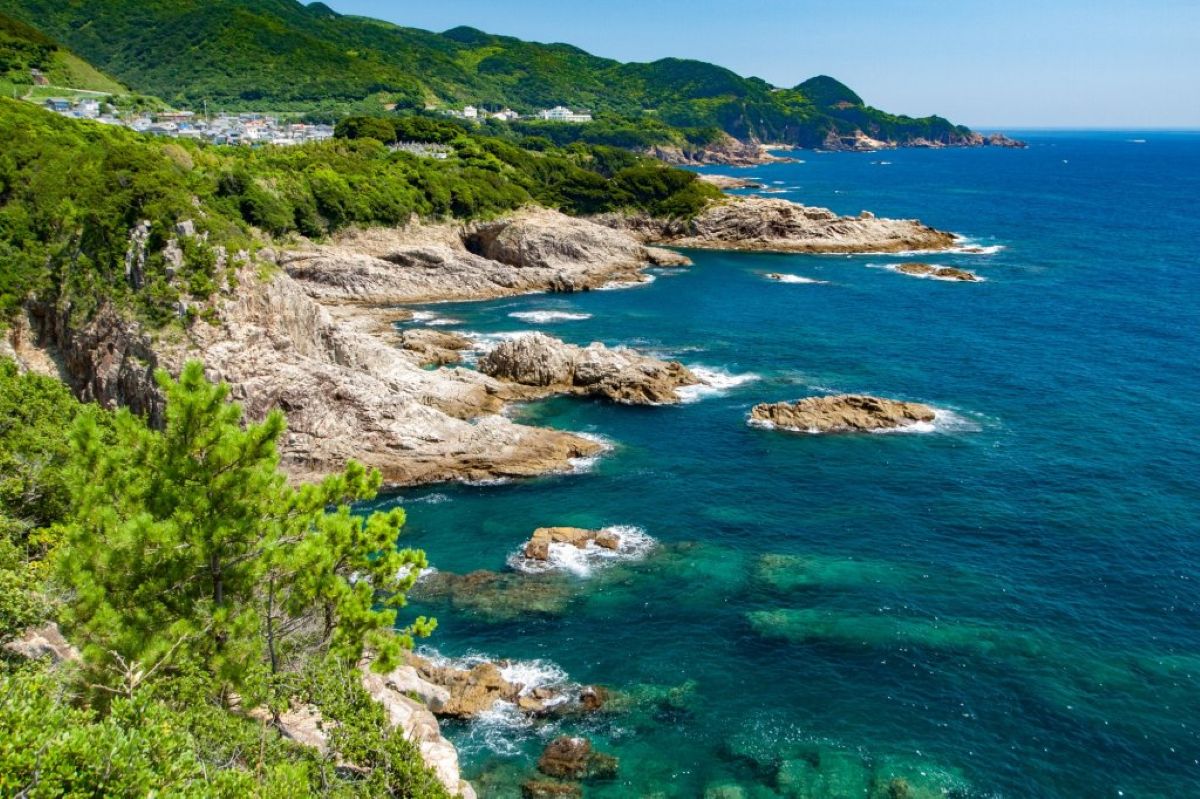
Image Credit: Shikoku Island
Shikoku Island Emerges as Hidden Travel Gem in Japan With 88 Temples, Mountain Forests and Legendary Food Culture as travellers discover a quieter side of Japan beyond the country’s busiest cities. The island emerges as a hidden travel gem because it combines centuries-old traditions, dramatic mountain forests and authentic regional cuisine in one destination. With the famous 88 Temples pilgrimage route, peaceful forest landscapes and legendary food culture including Kagawa’s Sanuki udon and Kochi’s seafood traditions, Shikoku offers meaningful experiences for cultural, nature and food travellers. Located across the four prefectures of Tokushima, Kagawa, Ehime and Kochi, the island provides a slower journey through Japan’s heritage, spirituality and local communities. For visitors seeking unique travel experiences, Shikoku reveals a different perspective of Japan filled with history, nature and unforgettable flavours.
Advertisement
Advertisement
Why is Shikoku considered Japan’s smallest major island with a unique travel identity?
Shikoku is one of Japan’s four main islands, alongside Honshu, Hokkaido and Kyushu. It covers approximately 18,300 square kilometres and has a population of around 3.8 million people, making it the smallest and least-populated major island in Japan.
The island consists of four prefectures:
Advertisement
Advertisement
| Prefecture | Travel highlights |
|---|---|
| Tokushima | Pilgrimage routes and traditional culture |
| Kagawa | Udon cuisine and gardens |
| Ehime | Castles, hot springs and citrus culture |
| Kochi | Forests, rivers and Pacific coastline |
Unlike Japan’s major urban destinations, Shikoku offers a slower travel experience focused on nature, heritage and local communities.
Its mountainous landscape has helped preserve traditional lifestyles, historic routes and cultural practices.
Advertisement
Advertisement
For travellers, this means fewer crowded attractions and more opportunities to experience Japan through local food, landscapes and centuries-old traditions.
What makes the Shikoku 88 Temple Pilgrimage a world-famous travel experience?
The Shikoku 88 Temple Pilgrimage, also known as Shikoku Henro, is one of Japan’s most recognised cultural journeys.
The route connects 88 Buddhist temples associated with Kobo Daishi (Kukai), the founder of Shingon Buddhism. The traditional pilgrimage covers around 1,200 kilometres across all four prefectures of Shikoku.
| Pilgrimage feature | Importance for travellers |
|---|---|
| 88 temples | Spiritual and cultural exploration |
| 1,200 km route | Long-distance walking journey |
| Four prefectures | Complete island discovery |
| Traditional pilgrim clothing | Connection with historic customs |
While originally a religious journey, the pilgrimage now attracts walkers, cultural travellers and visitors seeking personal reflection.
Travellers can complete sections of the route by walking, cycling, bus or car, allowing different ways to experience the island.
The pilgrimage remains one of Japan’s most unique examples of heritage tourism.
Advertisement
Advertisement
How can international travellers reach Shikoku Island?
Shikoku is well connected to Japan’s main island of Honshu, making it accessible for international visitors who arrive through major gateways such as Tokyo, Osaka and Kyoto.
One of the most important entry routes is the connection between Okayama Station and Takamatsu Station through the Seto-Ohashi Bridge.
The Marine Liner rapid train connects Okayama in Honshu with Takamatsu in Kagawa Prefecture, allowing travellers to cross the Seto Inland Sea directly by rail. This route is one of the easiest ways for overseas visitors to reach Shikoku after travelling through Japan’s main transport hubs.
| Entry point | Connection | Travel advantage |
|---|---|---|
| Okayama Station (Honshu) | Marine Liner train to Takamatsu Station | Fast rail access to eastern Shikoku |
| Takamatsu Station, Kagawa | Gateway to Shikoku’s rail network | Access to Kagawa attractions and onward routes |
| Tokushima Airport | Domestic flights | Convenient access to eastern Shikoku |
| Takamatsu Airport | Domestic and international connections | Access to Kagawa and wider island travel |
| Matsuyama Airport | Domestic flights | Gateway to Ehime and western Shikoku |
| Kochi Ryoma Airport | Domestic flights | Access to Kochi’s mountains and coastline |
For many international travellers, the journey begins through major Japanese transport hubs such as Tokyo Haneda Airport, Osaka Kansai International Airport or Osaka Itami Airport, followed by domestic flights or rail connections towards Shikoku.
How should travellers plan transport across Shikoku?
Shikoku’s attractions are spread across four prefectures, meaning transport planning is important for visitors wanting to explore temples, forests, food destinations and coastal areas.
The island has railway connections, buses, rental cars and ferry services, but rural areas often require more planning than Japan’s larger cities.
Advertisement
Advertisement
| Travel style | Best option |
|---|---|
| Temple pilgrimage | Walking sections combined with buses or trains |
| Food tourism | Rail access between major towns |
| Mountain and forest trips | Rental car or regional buses |
| Coastal exploration | Local transport and ferries |
| Multi-prefecture journey | Rail passes and planned connections |
Travellers visiting the 88 Temple Pilgrimage should consider that the full route covers approximately 1,200 kilometres, meaning many visitors complete only selected sections depending on available time.
Why does practical access make Shikoku attractive for international travellers?
Although Shikoku offers a quieter experience compared with Tokyo and Kyoto, its transport connections make it increasingly accessible for international visitors.
The Okayama–Takamatsu rail link is particularly important because it connects Shikoku with Japan’s wider high-speed rail network through Honshu.
This allows travellers to combine Shikoku with popular destinations such as:
- Osaka;
- Kyoto;
- Hiroshima;
- Okayama.
For example, visitors can experience major Japanese cities before travelling into Shikoku’s quieter landscapes of temples, forests, mountains and coastal communities.
This combination of accessibility and authenticity is helping Shikoku gain attention among travellers seeking slower, more meaningful journeys in Japan.
Advertisement
Advertisement
How does forest bathing make Shikoku a destination for wellness travellers?
Shikoku’s mountains and forests make it an attractive destination for travellers interested in nature and wellness tourism.
The Japanese practice of shinrin-yoku, or forest bathing, encourages visitors to spend mindful time surrounded by trees and natural environments.
The island offers:
| Nature experience | Traveller benefit |
|---|---|
| Forest walks | Relaxation and connection with nature |
| Mountain trails | Outdoor exploration |
| River landscapes | Scenic experiences |
| Rural stays | Slower travel experiences |
Kochi Prefecture is particularly known for its extensive forest landscapes, mountains and rivers.
For visitors, Shikoku provides a contrast to Japan’s fast-paced cities. Travellers can explore temples in the morning, walk through forests during the day and experience traditional villages in the evening.
The island’s natural environment supports the growing demand for wellness, sustainable and slow travel experiences.
Advertisement
Advertisement
What local foods make Shikoku a culinary destination?
Shikoku’s food culture reflects its agricultural traditions, coastal environment and regional identity.
Each prefecture offers distinctive specialities that attract food-focused travellers.
| Region | Famous food experience |
|---|---|
| Kagawa | Sanuki udon noodles |
| Kochi | Katsuo no tataki seared bonito |
| Ehime | Citrus products and seafood |
| Tokushima | Local dishes and regional produce |
Kagawa’s Sanuki udon is one of Japan’s most recognised regional food traditions.
Food travellers can explore local restaurants, markets and producers while discovering flavours connected to the island’s history.
For modern travellers, cuisine has become an important way to understand destinations. Shikoku offers visitors the opportunity to experience Japan through taste, tradition and local communities.
Which places should travellers explore across Shikoku?
Each prefecture offers a different perspective of the island.
Advertisement
Advertisement
Tokushima
Tokushima is closely linked with the beginning of the 88 Temple Pilgrimage and traditional cultural experiences.
Kagawa
Kagawa attracts visitors with Sanuki udon, gardens and artistic attractions.
Ehime
Ehime offers Matsuyama Castle, hot springs and coastal scenery.
Kochi
Kochi provides forests, rivers, mountains and Pacific Ocean landscapes.
| Destination | Main attraction |
|---|---|
| Tokushima | Pilgrimage heritage |
| Kagawa | Food and art culture |
| Ehime | History and wellness |
| Kochi | Nature and adventure |
Together, these destinations create a complete island journey combining culture, nature and cuisine.
Why is Shikoku becoming popular for slow and sustainable travel?
Shikoku represents a growing travel trend where visitors seek authentic experiences rather than only famous landmarks.
Advertisement
Advertisement
The island supports:
| Travel trend | Shikoku experience |
|---|---|
| Slow travel | Rural communities and traditional routes |
| Wellness tourism | Forests and nature experiences |
| Cultural tourism | Temples and heritage |
| Food tourism | Regional cuisine |
| Outdoor travel | Hiking and landscapes |
Because Shikoku is less crowded than Japan’s major cities, travellers often experience a more relaxed atmosphere.
The island allows visitors to connect with local communities and discover a different side of Japanese life.
What should international travellers know before visiting Shikoku?
Travellers should plan carefully because rural transport connections can be less frequent than in Japan’s major cities.
Visitors should consider:
- checking regional transport schedules;
- allowing extra travel time;
- planning accommodation along routes;
- researching seasonal conditions.
Shikoku can be reached through bridges connecting it with Honshu, as well as domestic flights and ferry services.
Advertisement
Advertisement
For international visitors, the island rewards careful planning with unique experiences that combine history, nature and local culture.
Conclusion
Shikoku Island Emerges as Hidden Travel Gem in Japan With 88 Temples, Mountain Forests and Legendary Food Culture because the island brings together some of Japan’s most distinctive cultural and natural experiences. The reason Shikoku stands out as a hidden travel gem is its rare combination of spiritual journeys, mountain forests and legendary food culture that allows visitors to experience Japan beyond traditional tourist routes. From walking sections of the 88 Temples pilgrimage and exploring forest landscapes to discovering local cuisine across Tokushima, Kagawa, Ehime and Kochi, Shikoku offers a deeper connection with Japanese traditions. As travellers increasingly seek authentic and slower journeys, Shikoku Island provides an opportunity to discover a less crowded, more meaningful side of Japan.
Comment from Anup Keshan, Founder and Editor-in-Chief of Travel And Tour World
“Shikoku represents the kind of destination modern travellers increasingly seek — places where culture, nature and authentic local experiences come together. The island’s ancient pilgrimage routes, unique cuisine and peaceful landscapes demonstrate that Japan’s travel appeal extends far beyond its famous cities. Destinations like Shikoku offer visitors the opportunity to slow down, connect with communities and experience traditions that have been preserved for generations. As global travellers continue searching for meaningful journeys, hidden gems such as Shikoku will play an increasingly important role in shaping the future of cultural and sustainable tourism.”
— Anup Keshan, Founder and Editor-in-Chief, Travel And Tour World
Image Credit: Shikoku Island
Advertisement
