
Texas Joins Pennsylvania, Washington, Missouri, Florida, And Other Six States Of US In Projected Surge In Tourism As FIFA PASS Streamlines Visa Process For 2026 World Cup

Published
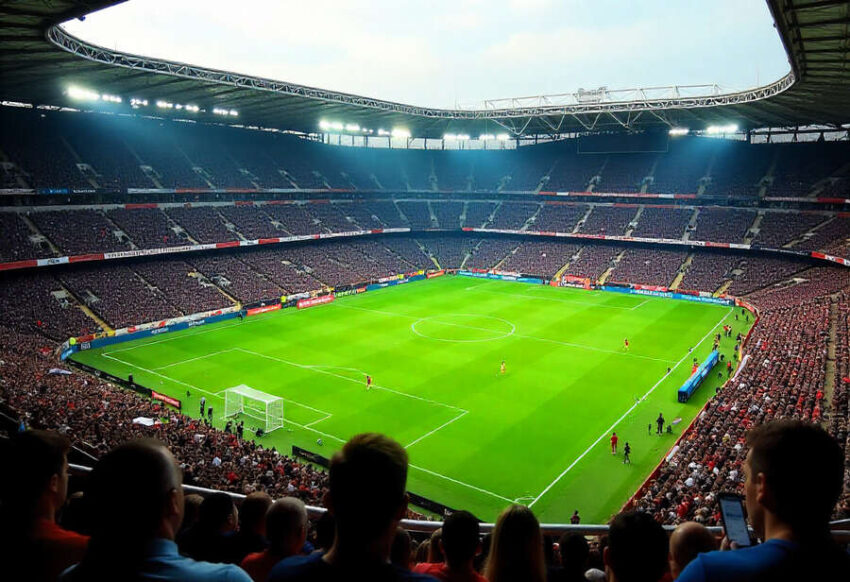 Image generated with Ai
Texas joins Pennsylvania, Washington, Missouri, Florida, and six other states in a projected surge in tourism as the FIFA PASS system streamlines the visa process for the 2026 World Cup, making it easier for international visitors to attend. This new initiative by the U.S. State Department prioritizes visa appointments for those with official World Cup tickets, addressing the expected increase in travelers and ensuring smoother travel logistics for key states like Texas during the event. As the 2026 World Cup draws closer, the FIFA PASS initiative is set to play a pivotal role in enhancing the travel experience for thousands of international visitors. By offering prioritized scheduling for visa interviews, the system alleviates pressure on an already congested visa process, allowing travelers to secure their visas more efficiently. States like Texas, with its prominent sports culture and growing tourist appeal, stand to benefit significantly from the influx of visitors attending the global sporting event. The streamlined process not only helps ease the logistical challenges but also creates a unique opportunity for these states to showcase their cultural and tourism offerings to a global audience.
With the 2026 FIFA World Cup on the horizon, tourism is expected to soar in several U.S. states, thanks to an innovative visa processing system known as the FIFA PASS. As the U.S., Canada, and Mexico prepare to host the global sporting spectacle, the FIFA PASS initiative has been designed to make it easier for international visitors to attend the tournament by fast-tracking their visa applications. With Texas joining Pennsylvania, Washington, Missouri, Florida, and other states, this new system is set to drive a significant rise in tourism in these regions, providing a major boost to local economies and enhancing the visitor experience for fans traveling to the World Cup.
FIFA PASS: A Game-Changer for World Cup Travel
The introduction of the FIFA PASS, an acronym for “Prioritized Appointments Scheduling System,” is a forward-thinking initiative by the U.S. State Department aimed at making travel easier for international visitors attending the 2026 World Cup. Under the FIFA PASS system, travelers who have purchased official World Cup tickets through FIFA will be eligible for prioritized scheduling for visa interviews. This initiative is designed to cater to the expected influx of visitors, offering a much-needed streamlined process amid an already high volume of visa applications.
The FIFA PASS system represents a strategic balance between the U.S. administration’s strong immigration policies and the need to accommodate the large number of international visitors flocking to North America for the tournament. By deploying over 400 additional consular officers worldwide, the State Department is significantly enhancing its ability to process visa applications. As a result, the system will allow nearly 80% of applicants to secure their visa appointments within 60 days, enabling them to attend the World Cup with minimal delays.
Advertisement
Advertisement
How FIFA PASS Will Benefit Tourists
International fans who wish to attend the 2026 World Cup will now have access to a dedicated portal where they can apply for visas with prioritized processing times. This portal ensures that FIFA ticket holders are able to secure a visa appointment faster than those applying through traditional methods. The system provides a much-needed solution to what could have been an overwhelming number of applications, easing the burden on consular services and ensuring that travelers can attend the tournament without complications.
In addition to streamlining the visa process, FIFA PASS is expected to be a driving force behind tourism growth in U.S. cities selected as World Cup host cities. With a projected surge in visitor numbers, these cities are poised to see major economic gains as tourism-related spending increases across various sectors, from accommodation to local dining and entertainment.
Advertisement
Advertisement
Host Cities and States for the 2026 FIFA World Cup
The 2026 FIFA World Cup will be a landmark event, as it will be the first time the tournament is hosted by three countries: the United States, Canada, and Mexico. The U.S. alone will see matches played in 11 cities across the country. These cities will serve as hubs for tourism, drawing in thousands of visitors eager to witness the world’s biggest football tournament.
Here are the U.S. host cities that will be part of the 2026 FIFA World Cup:
- Atlanta, Georgia
- Boston (Foxborough), Massachusetts
- Dallas/Arlington, Texas
- Houston, Texas
- Kansas City, Missouri
- Los Angeles (Inglewood), California
- Miami (Miami Gardens), Florida
- New York/New Jersey (East Rutherford), New Jersey
- Philadelphia, Pennsylvania
- San Francisco Bay Area (Santa Clara), California
- Seattle, Washington
These cities represent a cross-section of the U.S., with many offering distinct cultural and tourism experiences. From the bustling streets of New York City to the warm beaches of Florida, each host city provides a unique blend of attractions, activities, and amenities that will be further amplified during the World Cup.
Projected Economic Impact on U.S. Cities
The introduction of FIFA PASS will only amplify the economic impact of the 2026 World Cup on host cities. In addition to the obvious boost in tourism, the event will bring about infrastructure improvements, job creation, and increased international exposure for cities. Businesses, particularly those in hospitality, transportation, and retail, are expected to see increased demand. The influx of visitors will also provide a significant opportunity for cities to showcase their cultural offerings, making them prime destinations for future travelers.
For example, in Texas, where two major host cities (Dallas and Houston) are located, the tourism impact is expected to be particularly profound. Texas is already known for its rich cultural heritage, robust culinary scene, and diverse attractions. With the addition of the World Cup, these cities will see a flood of international visitors looking to explore not just the tournament but also local museums, art galleries, shopping districts, and vibrant neighborhoods. Cities like Houston and Dallas will also benefit from global media exposure, potentially solidifying their positions as top tourist destinations in North America.
Similarly, Pennsylvania and Florida are expected to see major tourism growth as the World Cup draws visitors to cities like Philadelphia and Miami. Miami’s famous beaches and vibrant nightlife will attract soccer fans, while Philadelphia’s historical landmarks and local attractions will appeal to tourists looking for cultural enrichment alongside the excitement of the tournament.
Advertisement
Advertisement
A Closer Look at Host Cities: What to Expect
Each of the host cities will offer a distinctive World Cup experience, with a variety of cultural and tourism offerings that extend beyond the matches themselves. Here’s a closer look at a few notable cities:
- Los Angeles (Inglewood), California
Los Angeles is one of the most iconic cities in the world, known for its entertainment industry, beautiful beaches, and cultural attractions. For soccer fans, the World Cup will bring added excitement to this already buzzing metropolis. From iconic landmarks like the Hollywood Sign and Griffith Observatory to world-class museums and art galleries, LA will provide visitors with endless opportunities to explore. - New York/New Jersey (East Rutherford), New Jersey
The New York metro area is famous for its diversity, world-class attractions, and vibrant neighborhoods. Visitors will have access to iconic sites like Times Square, Central Park, and the Statue of Liberty, all while enjoying the World Cup atmosphere. The nearby New Jersey area also offers excellent hospitality options, including waterfront views and proximity to Manhattan. - Miami (Miami Gardens), Florida
Miami’s lively atmosphere, warm weather, and world-renowned beaches make it a prime destination for World Cup fans. Miami is known for its multicultural vibe, which is reflected in its cuisine, music, and neighborhoods. Fans will enjoy both the excitement of the matches and the opportunity to relax on some of the world’s most beautiful beaches. - Philadelphia, Pennsylvania
Philadelphia offers a rich historical backdrop, with landmarks like the Liberty Bell and Independence Hall. Fans visiting the city can explore the birthplace of American democracy while enjoying the World Cup festivities. The city also boasts a growing culinary scene, vibrant arts districts, and an abundance of outdoor activities. - San Francisco Bay Area (Santa Clara), California
The Bay Area, with its diverse culture, technology-driven economy, and natural beauty, is another key destination for World Cup fans. Visitors can take in the views of the Golden Gate Bridge, explore Alcatraz Island, and enjoy the region’s bustling food scene. Santa Clara, as the home of Levi’s Stadium, will host World Cup matches with a unique Silicon Valley flair.
How FIFA PASS Will Affect Tourism Growth
The introduction of FIFA PASS is projected to make the 2026 World Cup one of the most accessible international sporting events in history. By expediting visa processes, the U.S. government is not only ensuring a smooth experience for soccer fans but also positioning itself as a top global destination for sports tourism. FIFA PASS is particularly important as it addresses concerns over delayed visa appointments, a common issue during major events, and ensures that soccer fans from all over the world will be able to attend matches with ease.
For the cities selected as host cities, this means an influx of not just soccer enthusiasts but also tourists interested in experiencing the local culture, cuisine, and attractions. The projected tourism boom will result in an increased demand for hotels, transportation services, restaurants, and entertainment options. Local economies will benefit from the surge in tourism, while businesses will gain valuable international exposure as they cater to World Cup visitors.
Looking Forward: The Future of Tourism in Host Cities
The 2026 World Cup is just the beginning. The tourism boost provided by FIFA PASS and the World Cup will create long-term benefits for the host cities and beyond. With the eyes of the world on North America during the tournament, the spotlight will shine on these cities, creating opportunities for future events and continued tourism growth. By improving accessibility for international visitors and highlighting local attractions, the FIFA World Cup will leave a lasting impact on these cities for years to come.
Texas joins Pennsylvania, Washington, Missouri, Florida, and six other states in a projected surge in tourism as the FIFA PASS system streamlines visa processing for the 2026 World Cup. This initiative prioritizes visa appointments for official ticket holders, ensuring smoother travel for visitors and boosting tourism in key states like Texas.
As the event draws closer, the excitement continues to build, and with FIFA PASS facilitating smoother travel, the 2026 World Cup promises to be an unforgettable experience for both fans and cities alike.
Advertisement
