
The Ultimate Krakow Travel Guide: Why Poland’s Cultural Capital is Europe’s Best Leisure Destination in 2026

Published
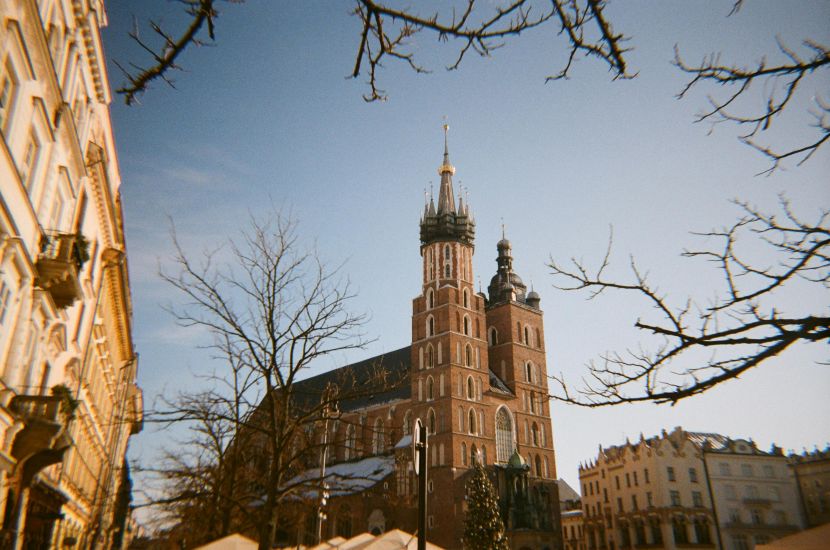 Image generated with Ai
Krakow is frequently celebrated as a jewel of Central Europe, and it has recently been distinguished as the premier leisure destination on the continent. This prestigious title is supported by a unique blend of architectural preservation, a vibrant cultural atmosphere, and an affordable luxury that appeals to international tourists. It is observed that the city serves as a living museum, where centuries of history are etched into the cobblestone streets. Visitors are drawn to the city not only for its historical significance but also for the high quality of life and the welcoming nature of the local community. It is widely acknowledged that the city’s reputation is bolstered by its ability to offer world-class experiences without the prohibitive costs associated with other major European capitals.
Architectural Grandeur in the Old Town
The exploration of Krakow is typically initiated in the Stare Miasto, or Old Town, which was among the first sites to be inscribed on the UNESCO World Heritage list. The Rynek Główny, recognized as one of the largest medieval town squares in Europe, is dominated by the Sukiennice, or Cloth Hall. This structure is regarded as one of the world’s oldest shopping malls, where traditional Polish crafts and amber jewelry are still traded today. Nearby, the Gothic towers of St. Mary’s Basilica are admired, particularly for the famous trumpet signal, known as the Hejnał Mariacki, which is played every hour to the four corners of the world.
The preservation of these sites is maintained with great care, ensuring that the medieval layout remains intact for modern observers. The Royal Route, which was once traversed by Polish monarchs during coronation processions, is followed by those wishing to experience the city’s regal past. Along this path, numerous churches, palaces, and townhouses are encountered, each displaying intricate facades that reflect Gothic, Renaissance, and Baroque influences.
The Majesty of Wawel Hill
Overlooking the Vistula River, Wawel Hill is considered the symbolic soul of Poland. The Wawel Royal Castle and the Wawel Cathedral are situated here, serving as the historical seat of Polish kings for centuries. The castle is appreciated for its stunning Renaissance courtyard and its extensive collection of Flemish tapestries. The cathedral is noted for being the burial site of many Polish monarchs and national heroes, making it a site of significant national pilgrimage.
Advertisement
Advertisement
The Dragon’s Den, a limestone cave located at the foot of the hill, is associated with the legendary Wawel Dragon. A fire-breathing bronze statue is positioned at the exit of the cave, providing a point of interest for families and those intrigued by local folklore. The ascent to the hill is rewarded with panoramic views of the city and the river, providing a serene escape from the urban bustle.
The Bohemian Spirit of Kazimierz
South of the Old Town lies Kazimierz, the historic Jewish Quarter, which is now recognized as the city’s most creative and bohemian district. For centuries, this area was a center of Jewish life in Poland, and it remains a place of profound historical reflection. Remuh Cemetery and several historic synagogues, such as the Old Synagogue, are preserved as testaments to the community’s long history.
Advertisement
Advertisement
In recent decades, Kazimierz has been transformed into a hub for nightlife, art galleries, and independent boutiques. Plac Nowy is identified as the heart of this district, where the popular street food known as zapiekanka is consumed by locals and tourists alike. The atmosphere in Kazimierz is described as distinctively nostalgic yet vibrantly modern, characterized by its narrow streets, hidden courtyards, and walls adorned with street art.
Culinary Traditions and Modern Gastronomy
The culinary landscape of Krakow is explored with great enthusiasm by those visiting the city. Traditional Polish cuisine is characterized by hearty ingredients and meticulous preparation. Pierogi, which are traditional dumplings filled with meat, cheese, or seasonal fruits, are widely available in both humble milk bars and upscale restaurants. Obwarzanek krakowski, a braided ring-shaped bread, is sold by street vendors on almost every corner and is recognized as a protected regional specialty.
Fine dining in Krakow is also experiencing a renaissance. Modern interpretations of classic dishes are offered by innovative chefs who utilize locally sourced ingredients from the Małopolska region. The city’s cellar restaurants, located in medieval basements, provide an atmospheric setting for enjoying a meal. It is noted that the variety of dining options ensures that every palate and budget is accommodated.
Green Spaces and Leisurely Pursuits
Despite its dense historical center, Krakow is praised for its abundance of green spaces. The Planty Park is a circular garden that surrounds the Old Town, occupying the space where the city walls once stood. It is used by residents for leisurely walks, cycling, and quiet reflection amidst the urban environment. Further afield, the Błonia Park and the Kościuszko Mound offer expansive views and opportunities for outdoor recreation.
The Vistula River boulevards are also highlighted as a favorite spot for relaxation. Cruises are operated on the river, providing a different perspective of the Wawel Castle and the city skyline. During the summer months, the riverbanks are utilized for open-air events and pop-up markets, contributing to the city’s reputation as a top-tier leisure destination.
Day Trips and Regional Significance
While Krakow offers a wealth of attractions within its borders, it is also used as a base for exploring significant regional sites. The Wieliczka Salt Mine, located just outside the city, is visited for its extraordinary underground chambers and salt-carved chapels. Additionally, the Auschwitz-Birkenau Memorial and Museum is accessible for those wishing to pay their respects and learn about one of the most somber chapters of human history.
Advertisement
Advertisement
The proximity of the Tatra Mountains and the resort town of Zakopane is also noted, allowing for a combination of city culture and alpine adventure. These excursions are facilitated by an efficient transportation network, making Krakow a convenient hub for regional exploration.
Conclusion: A Destination of Choice
In conclusion, the status of Krakow as Europe’s best leisure destination in 2026 is seen as a result of its multifaceted appeal. The city is admired for its historical integrity, its vibrant cultural life, and its commitment to providing an accessible and enriching experience for all visitors. Whether the focus is on architectural discovery, culinary exploration, or simply enjoying the atmosphere of a historic European city, Krakow is found to exceed expectations.
Advertisement
