
United States Airfares Rise 22.4% as Inflation and Airline Fuel Costs Pressure Travellers

Published
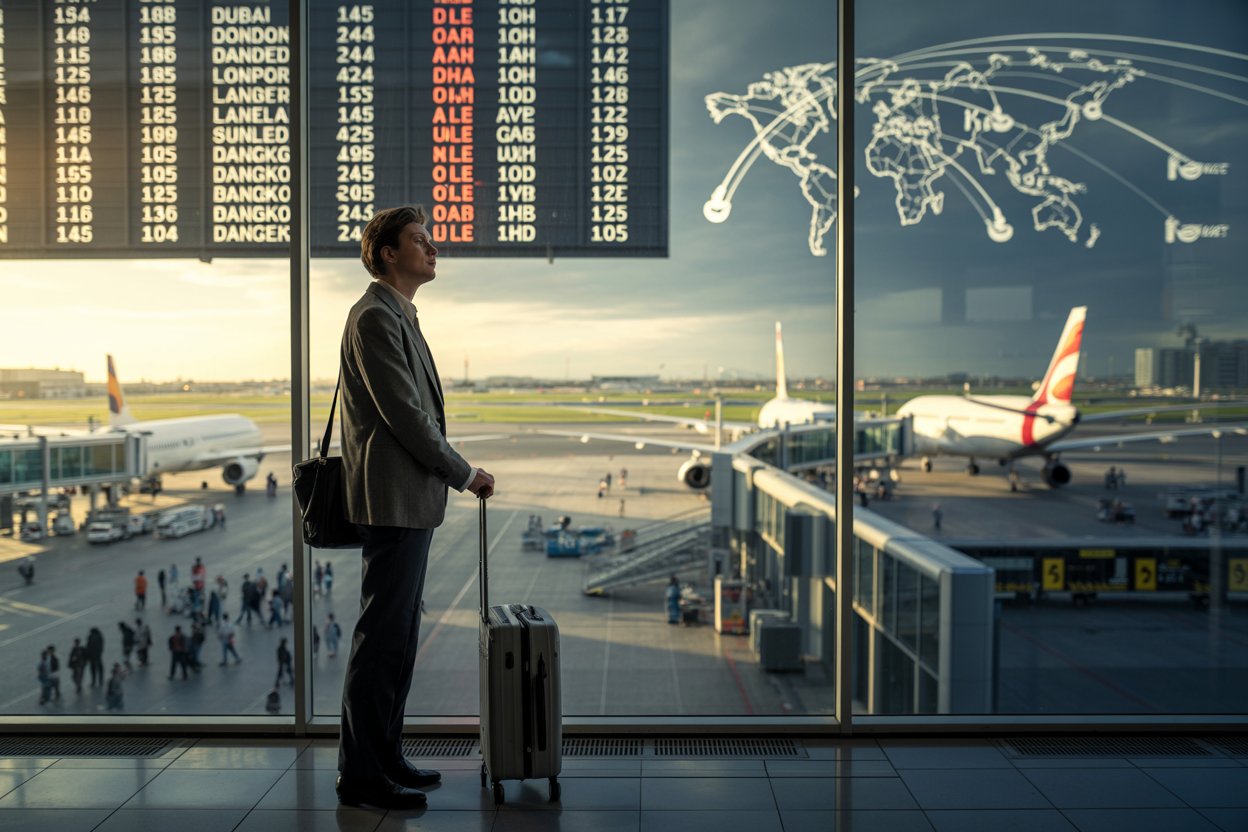
Travellers planning their next holiday or business trip may need to set aside more money for flights as airline fares continue to climb. Fresh government figures show that US airfares increased 22.4% in September 2026 compared with the same month last year. The rise was much faster than overall consumer inflation, which reached 3.7%. With airlines also reporting sharply higher fuel expenses, passengers face growing uncertainty over the cost of travelling across the country in the months ahead.
US Airfare Inflation Outpaces the Wider Economy
The US Bureau of Labor Statistics (BLS) released its September Consumer Price Index figures on 14 October 2026. The report showed that consumer prices rose 0.6% during September after increasing 0.4% in August. Annual inflation accelerated from 3.4% to 3.7%.
Airline fares followed a considerably steeper path. The airfare index increased 1.2% during September and stood 22.4% above its level a year earlier.
The difference highlights the pressure facing people who depend on air travel. Although the overall cost of goods and services is rising, airline ticket prices have increased much faster.
Advertisement
Advertisement
However, the figures measure changes in an index rather than the price of every individual ticket. Actual fares vary according to the route, travel date, airline, booking conditions and seat availability.
Higher Fuel Expenses Add to Airline Financial Pressure
Fuel costs are another important part of the story. Airlines require substantial quantities of jet fuel to operate their aircraft, making changes in energy prices an important factor in their operating budgets.
Advertisement
Advertisement
Delta Air Lines provided a clear example in its September-quarter financial results, published on 9 October 2026. The carrier reported adjusted fuel expenses of $4.1 billion, an increase of 62% compared with the previous year. Its adjusted fuel price reached $3.61 per gallon, representing a 60% annual increase.
Delta also reported record September-quarter revenue, reflecting strong demand and healthy yield growth. Despite this performance, the airline said it expected to absorb a $6 billion increase in fuel costs over the full year.
These figures demonstrate how rising fuel expenses can affect an airline even when passenger demand remains strong.
Higher fuel prices can encourage airlines to review ticket pricing, flight schedules and capacity plans. Nevertheless, fuel is not the only factor behind airfare movements. Demand, competition, operating expenses and seasonal travel patterns can also influence ticket prices.
What Rising Ticket Prices Mean for Holidaymakers
For passengers, the consequences extend beyond the initial cost of booking a flight. A more expensive ticket can leave families with less money for hotels, meals, local transport and activities at their destination.
Travellers planning domestic holidays may need to compare alternative departure dates or consider airports within reasonable travelling distance. Those visiting relatives or organising group holidays may also find that coordinating affordable flights becomes more difficult.
Advertisement
Advertisement
Business travellers face similar concerns. Companies that depend on regular domestic flights could encounter higher travel expenses, potentially prompting stricter booking policies or greater use of remote meetings.
The impact will not be identical across the country. Routes with strong competition may offer more attractive fares than routes with limited alternatives. Travelling on different dates can also produce substantial price differences.
For this reason, the national inflation figure should be treated as a measure of the wider market rather than a prediction for every journey.
Government Data Shows Broader Transport Inflation
The Bureau of Transportation Statistics (BTS), part of the US Department of Transportation, offers another perspective on the rising cost of mobility.
Its September 2026 Transportation Consumer Price Index release reported that prices for transportation goods and services increased 7.9% between September 2025 and September 2026.
The report identified gasoline as the largest contributor to the annual increase in overall consumer prices, while airline fares were another significant contributor.
Advertisement
Advertisement
This broader picture matters to holidaymakers who drive to airports, hire cars or combine flights with road journeys. Their total travel expenses can increase even when the airfare is not the only component becoming more expensive.
Separately, BTS reported on 29 September that the average US domestic airfare reached $445 in the second quarter of 2026, up from an inflation-adjusted $436 in the first quarter. This measure differs from the BLS airfare index because it tracks average fares paid on domestic itineraries.
How Travellers Can Manage Rising Flight Costs
Passengers can take several practical steps to control their travel budgets. Comparing different departure dates, checking nearby airports and booking a suitable itinerary in advance may help identify better-value options.
Travellers should also compare the full cost of a ticket rather than focusing only on its advertised starting price. Baggage charges, seat-selection fees and changes to booking conditions can affect the final amount paid.
For Thanksgiving and Christmas journeys, passengers should monitor prices and availability as their travel dates approach. However, September’s inflation figures alone cannot establish how much fares will rise during either holiday period.
Advertisement
Advertisement
Flexible travellers may have more opportunities to find suitable alternatives, while those tied to specific dates or routes may have fewer choices.
Outlook for US Air Travel
The latest figures present a challenging picture for both passengers and airlines. Airfare inflation remains substantially above overall consumer inflation, while Delta’s financial disclosures demonstrate the scale of the fuel-cost pressure confronting at least one major carrier.
What happens next will depend on energy prices, passenger demand, airline capacity and competition. Higher operating costs may encourage carriers to seek additional revenue, but the extent to which they can pass those costs on to passengers will vary.
For anyone planning a trip, the practical message is straightforward: compare options carefully and budget for the complete journey, not just the flight. Travelling should still offer the excitement of discovering somewhere new or meeting loved ones, but with ticket prices rising so sharply, a little more planning could make a meaningful difference to the final cost.
Advertisement
