
Hong Kong Tourism Faces New Traveller Shift as Short Visits Rise and Spending Patterns Change Across Asia: All You Need to Know

Published
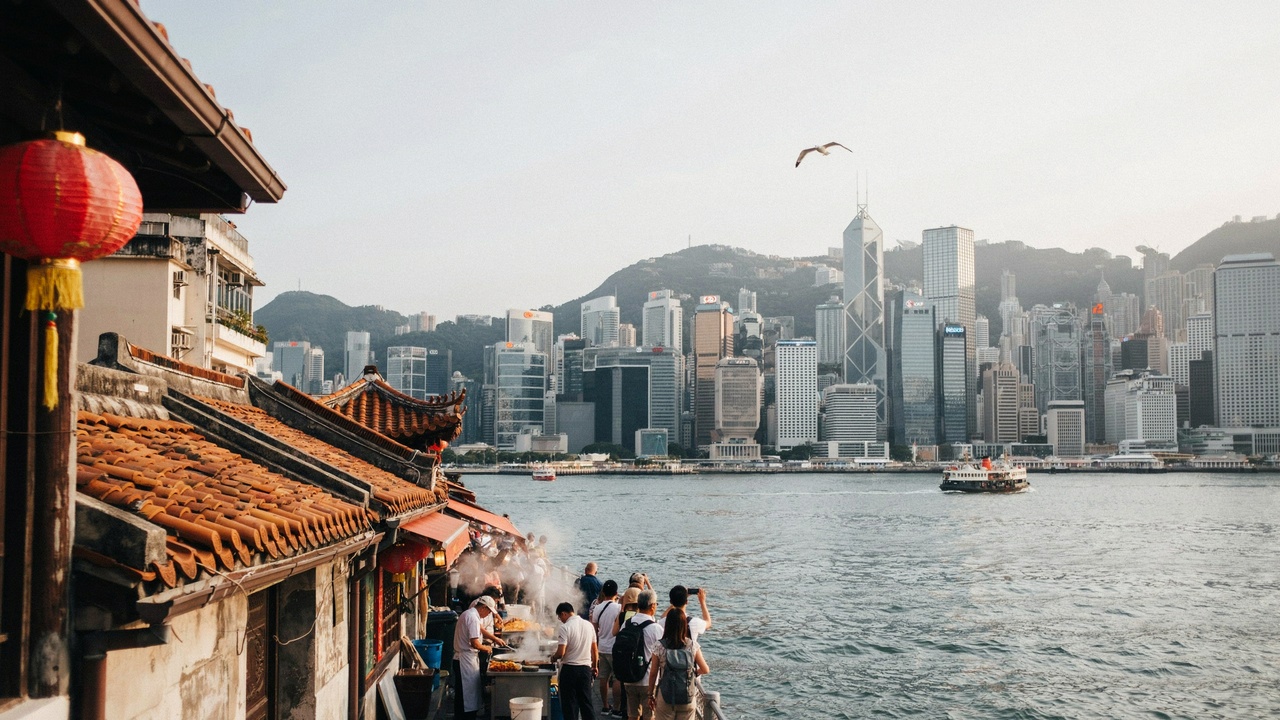
Hong Kong is experiencing a major transformation in its tourism landscape as rising visitor numbers are accompanied by changing travel behaviour, with more travellers choosing shorter stays, experience-focused trips and budget-conscious journeys. The city, one of Asia’s most recognised tourism destinations, is adapting to a new generation of visitors whose priorities are shifting beyond traditional shopping and luxury spending.
The changing pattern is particularly visible among mainland Chinese travellers, who continue to represent a significant share of Hong Kong’s visitor market. While arrivals have recovered strongly after pandemic-related disruptions, the nature of tourism demand has evolved, creating new opportunities and challenges for hotels, retailers, restaurants and attractions.
Advertisement
Advertisement
Hong Kong is now focusing on expanding its tourism appeal through cultural attractions, local experiences, outdoor activities and affordable travel options to encourage longer stays and broader visitor engagement.
Mainland China Remains Hong Kong’s Largest Tourism Market
Hong Kong’s close connection with mainland China continues to shape the city’s tourism performance. Mainland visitors account for the majority of arrivals, supported by convenient transport links, cultural connections and travel schemes that allow eligible residents from selected mainland cities to visit independently.
Advertisement
Advertisement
The recovery of cross-border travel has brought millions of visitors back to Hong Kong, but travel behaviour has changed compared with previous years. Many travellers are now choosing shorter itineraries focused on sightseeing, food, entertainment and affordable experiences rather than high-value shopping trips.
| Key Tourism Market | Importance for Hong Kong |
|---|---|
| Mainland China | Largest visitor source market |
| Southeast Asia | Important regional tourism segment |
| Long-haul markets | Supports international tourism diversity |
| Business travellers | Strengthens Hong Kong as an economic hub |
The shift has encouraged Hong Kong’s tourism sector to develop more diverse experiences that appeal to different traveller groups.
Advertisement
Advertisement
Short-Stay Travel Trend Changes Hong Kong Visitor Economy
A growing number of travellers are adopting shorter, highly planned trips that allow them to explore major attractions within limited time. This travel style has become increasingly popular among younger visitors who use digital platforms to create detailed itineraries covering food, culture, shopping streets and landmarks.
These travellers often prioritise value, convenience and memorable experiences rather than traditional luxury purchases.
Advertisement
Advertisement
Popular activities include:
- Exploring Victoria Harbour views
- Discovering local food markets
- Visiting cultural districts
- Hiking Hong Kong’s natural trails
- Experiencing neighbourhood attractions
This development reflects a broader Asian travel trend where visitors increasingly seek authentic experiences, local lifestyles and personalised journeys.
Hong Kong Expands Beyond Traditional Shopping Tourism
For decades, Hong Kong was internationally recognised as a luxury shopping destination, attracting visitors searching for jewellery, watches, fashion and premium products. However, changing consumer behaviour has encouraged the city to promote a wider tourism offering.
The destination is increasingly highlighting:
Advertisement
Advertisement
| Tourism Segment | Visitor Experience |
|---|---|
| Cultural tourism | Museums, heritage sites and local traditions |
| Nature tourism | Hiking routes, country parks and scenic areas |
| Food tourism | Cantonese cuisine and local dining |
| Entertainment tourism | Events, performances and attractions |
| Community tourism | Neighbourhood experiences |
This approach aims to showcase Hong Kong as a complete travel destination rather than only a shopping hub.
Outdoor Experiences Become a Growing Attraction in Hong Kong
Although Hong Kong is known globally for its skyline and urban energy, the city also offers extensive natural landscapes. Tourism authorities have increasingly promoted outdoor activities, including hiking trails, coastal views and countryside experiences.
The combination of modern city life and accessible nature gives Hong Kong a distinctive position among Asian destinations.
Visitors can explore:
- Victoria Peak viewpoints
- Country parks
- Island communities
- Coastal walking routes
- Traditional villages
These experiences appeal to travellers looking for slower and more meaningful journeys.
Hotels and Businesses Adapt to New Tourism Patterns
The changing visitor profile is influencing Hong Kong’s hospitality and retail sectors. Hotels, restaurants and tourism businesses are adjusting their strategies to attract travellers who may stay for shorter periods but seek more diverse experiences.
Advertisement
Advertisement
Businesses are increasingly focusing on:
- Flexible accommodation options
- Local dining experiences
- Digital travel promotions
- Affordable attraction packages
- Cultural activities
The tourism industry is also looking to attract higher-value overnight visitors by expanding the city’s appeal beyond quick visits.
Hong Kong Strengthens Position as an International Travel Destination
Despite changing visitor behaviour, Hong Kong continues to maintain its role as a major Asian travel destination. The city combines financial importance, cultural heritage, entertainment, food and natural attractions within a compact urban environment.
Its position within the Greater Bay Area also provides opportunities for combined travel experiences connecting Hong Kong with nearby destinations in mainland China.
| Destination Feature | Tourism Advantage |
|---|---|
| International airport | Global connectivity |
| Harbour skyline | Iconic city experience |
| Cultural heritage | Historical attractions |
| Food scene | International culinary reputation |
| Transport network | Easy visitor movement |
Greater Bay Area Connections Create New Travel Opportunities
Hong Kong’s relationship with neighbouring mainland cities is creating opportunities for regional tourism development. Visitors can combine Hong Kong trips with destinations across Guangdong province, creating multi-city itineraries.
This regional approach supports longer journeys and encourages travellers to explore more of southern China.
Advertisement
Advertisement
Possible combined travel routes include:
- Hong Kong and Shenzhen
- Hong Kong and Guangzhou
- Hong Kong and Zhuhai
- Hong Kong and Macau
These connections strengthen Hong Kong’s role as a gateway between international visitors and mainland Chinese destinations.
What the Future of Hong Kong Tourism Could Look Like
The future of Hong Kong tourism is expected to focus on quality experiences, longer engagement and greater diversification. While visitor numbers remain important, the industry is increasingly concentrating on creating meaningful travel experiences that encourage visitors to explore more areas of the city.
The rise of experience-driven tourism reflects wider global changes, where travellers increasingly value culture, food, nature and local connections.
Hong Kong’s ability to combine urban attractions with outdoor adventures positions the city to respond to these evolving travel preferences.
Frequently Asked Questions
1. Is Hong Kong still a popular destination for Chinese travellers?
Yes. Mainland China remains one of Hong Kong’s most important visitor markets, supported by strong transport links and travel connections.
Advertisement
Advertisement
2. Are tourists spending differently in Hong Kong now?
Yes. Recent trends show more travellers are choosing shorter stays and prioritising affordable experiences, food and sightseeing over traditional luxury shopping.
3. What are the best experiences beyond shopping in Hong Kong?
Visitors can explore hiking trails, cultural districts, local restaurants, heritage attractions, harbour views and island communities.
4. Is Hong Kong suitable for short trips?
Yes. The city’s efficient transport system and compact layout make it suitable for short city breaks.
5. How is Hong Kong attracting new types of travellers?
Hong Kong is promoting cultural tourism, outdoor experiences, local food, events and affordable attractions to appeal to a wider range of visitors.
6. Can travellers combine Hong Kong with other destinations?
Yes. Many visitors combine Hong Kong with nearby destinations in mainland China, including Shenzhen, Guangzhou and Macau.
Hong Kong’s tourism journey is entering a new era where visitor experiences are becoming more diverse and personalised. As travellers move beyond traditional shopping-focused trips, the city is redefining itself through culture, nature, food and innovation, strengthening its position as one of Asia’s most dynamic travel destinations.
Advertisement
