
France Travel Alert as US Updates Advisory After Riots as Tourists Face Fresh Disruption Warnings

Published
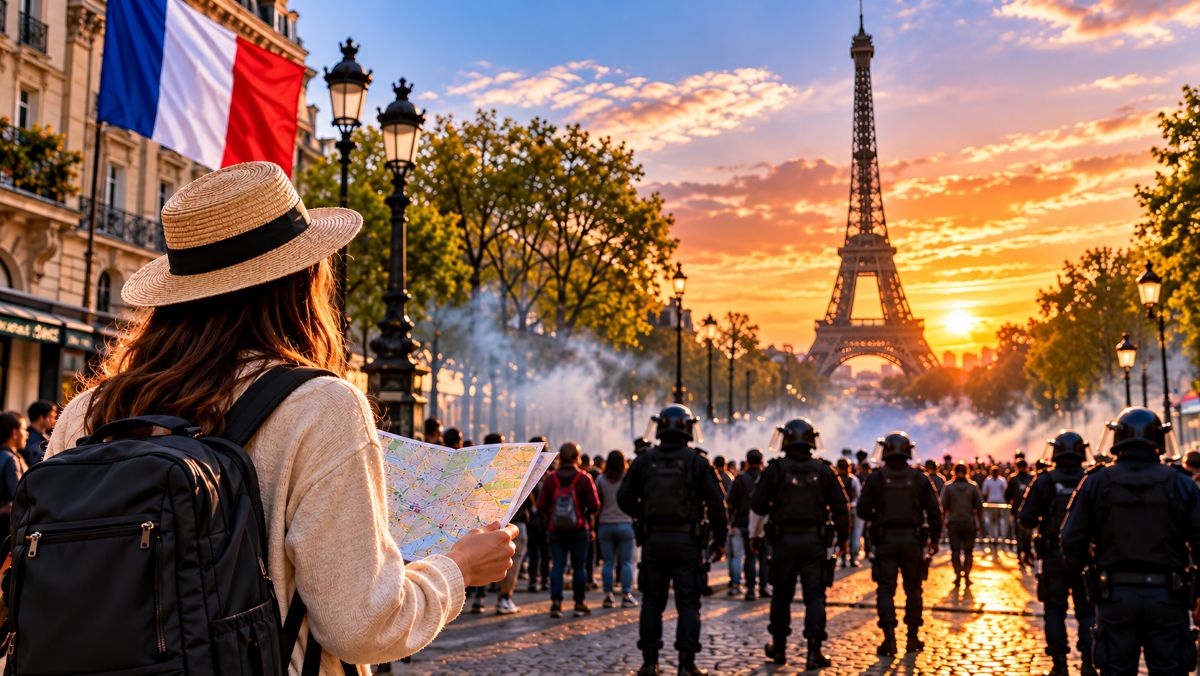
Travellers planning holidays in France are being urged to pay closer attention to local safety updates after the United States updated its travel advisory following recent riots and demonstrations. The US State Department continues to classify France at Level 2, meaning visitors should exercise increased caution. The latest guidance highlights the potential for violence around demonstrations, transport disruption and police intervention, making local information an important part of holiday planning.
US Updates Travel Advice Without Raising France’s Risk Level
The updated US guidance, reported on October 21, 2026, comes amid unrest that has raised concerns about public safety in several parts of France. However, the country remains at Level 2 on the State Department’s four-level travel advisory scale. The update should not be interpreted as a new instruction for Americans to cancel all trips to France.
Advertisement
Advertisement
The State Department advises travellers to stay away from demonstrations and locations experiencing unrest, particularly where large crowds or a significant police presence indicate a potentially volatile situation. Protests can change quickly, and gatherings that initially appear peaceful may develop into confrontations.
The warning also highlights the possibility of damage to property and the use of crowd-control measures, including tear gas and water cannons. For visitors, avoiding affected streets and following instructions from French authorities are important precautions.
Advertisement
Advertisement
Why the Unrest Matters for International Visitors
France remains a major destination for international tourism, attracting visitors for its historic landmarks, museums, food, shopping and coastal holidays. However, demonstrations can complicate travel even for people who have no intention of joining a protest.
Road closures may affect airport transfers, while interruptions to public transport can make it harder to reach hotels, restaurants and attractions. Visitors travelling on tightly planned itineraries may need additional time to move between locations or arrange alternative routes.
Advertisement
Advertisement
The impact will depend on where demonstrations take place and how local authorities respond. A disruption in one district does not automatically mean that an entire city or the country is inaccessible. Travellers should therefore check conditions around their specific destinations rather than make assumptions based on national headlines.
Paris Visitors Should Check Local Conditions Before Sightseeing
Paris is an important focus for travellers because it combines major tourist attractions with busy transport networks and crowded public spaces. Demonstrations or police operations near central districts can affect access to streets, shops and visitor sites.
Advertisement
Advertisement
Tourists planning to visit museums, shopping areas or well-known landmarks should check official notices before leaving their accommodation. They should also confirm opening arrangements directly with attractions when unrest could affect access.
The same approach applies to visitors travelling beyond the capital. Reports of unrest and local restrictions in other French cities underline the importance of checking municipal announcements and instructions from local authorities.
France should not be treated as one uniform risk zone. Conditions can vary considerably between neighbourhoods and regions, and restrictions may apply only to particular locations or times.
UK, Canada and Australia Also Warn Travellers About Unrest
The US is not the only government advising visitors to take precautions. The United Kingdom’s France travel advice was updated on October 19, 2026, with information about local curfews that French authorities may introduce at short notice.
Advertisement
Advertisement
The Government of Canada also warns about demonstrations, clashes, vandalism and disruptions to public services and transport. Its guidance recommends avoiding protest areas, monitoring local news and following instructions from authorities.
Australia’s Smartraveller service similarly advises visitors to exercise a high degree of caution. Its France guidance, updated on October 20, highlights recent demonstrations and the possibility of partial or localised curfews.
Ireland’s Department of Foreign Affairs has also warned its citizens about civil unrest and restrictions affecting specified areas.
Although the countries use different advisory classifications and wording, their guidance shares a common message: travellers should remain alert, avoid demonstrations and check local conditions throughout their stay.
What Tourists Should Do Before Travelling to France
Visitors can reduce uncertainty by taking a few practical steps before departure. They should check their government’s latest France travel advice, monitor announcements from French local authorities and confirm transport arrangements before setting out.
Travellers using trains, buses or airport transfers should check directly with their transport providers for service changes. Those joining guided excursions should contact their operators if a demonstration or road closure could affect a meeting point or route.
Advertisement
Advertisement
It is also sensible to keep accommodation details and emergency contacts accessible. The European emergency number is 112. US citizens can consider enrolling in the State Department’s Smart Traveler Enrollment Program (STEP) to receive relevant alerts and help US officials contact them during an emergency.
Travel insurance terms deserve attention, too. An advisory update does not automatically guarantee a refund or cancellation coverage. Travellers should check their policy and speak to their airline, accommodation provider or insurer before making costly changes.
France Holidays Continue to Require Local Awareness
The latest advisory update is a reminder that international travel plans can be affected by events that develop after bookings have been made. It does not, by itself, establish that France’s tourism sector is closed or that every visitor faces the same level of disruption.
For holidaymakers, the most useful response is to stay informed, remain flexible and avoid areas affected by unrest. Checking local transport, accommodation and attraction notices can help travellers make informed decisions without unnecessarily abandoning their plans.
France’s appeal as a holiday destination remains distinct from the security conditions in any individual neighbourhood. As the situation develops, official travel guidance and local announcements will be essential for visitors deciding how to move around safely and make the most of their stay.
Advertisement
