
France Becomes an Adventurous Country as Orléans and More Other Escapes Have Hidden Cycling Routes

Published
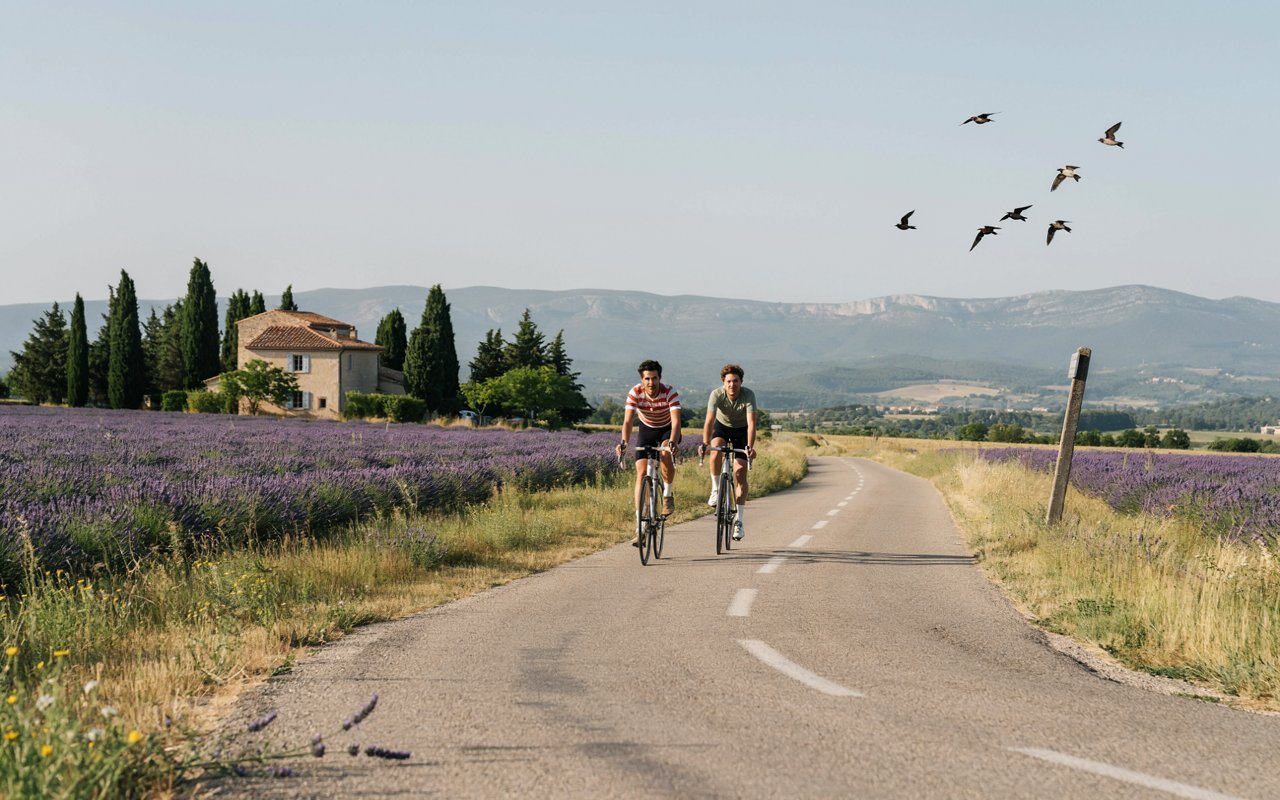
Image generated with Ai
France continues to expand its reputation as one of Europe’s leading cycling destinations, offering travellers a mix of river routes, vineyard trails, coastal paths, mountain climbs and heritage journeys. From the UNESCO-listed Loire Valley to Mediterranean landscapes along the Rhône, French cities and regions provide cycling experiences for beginners, leisure riders and adventure cyclists. Official cycling networks such as La Loire à Vélo, ViaRhôna, Véloscénie and Vélodyssée connect historic cities, countryside villages and natural landscapes through marked routes and dedicated cycling infrastructure.
The growing movement highlights immersive journeys through riversides, vineyards and heritage areas where visitors can discover local culture differently. Dedicated pathways connect historic landmarks with natural surroundings while encouraging sustainable exploration. This shift creates fresh opportunities for global explorers who prefer active holidays filled with memorable experiences beyond traditional sightseeing. The nation continues attracting visitors through remarkable journeys that combine nature, history, wellness, and discovery for travellers searching for unique escapes year-round.
Advertisement
Advertisement
Best French Cycling Destinations in 2026: Scenic Routes, Adventure Trails and Cities Every Traveller Should Explore
| City / Destination | Famous Cycling Route | Route Distance | Landscape Experience | Key Attractions Along the Route | Difficulty Level | Best For |
|---|---|---|---|---|---|---|
| Tours, Centre-Val de Loire | La Loire à Vélo | Around 900 km overall route network | Loire River, vineyards, forests, countryside | Château de Villandry, Château d’Amboise, historic Loire villages | Easy to Moderate | Heritage lovers, families, cultural cyclists |
| Orléans, Centre-Val de Loire | La Loire à Vélo | 630 km main route between Nevers and Atlantic coast | Riverbanks, wetlands, forests | Loire landscapes, historic old town, nearby castles | Easy | Leisure cycling and weekend trips |
| Nantes, Pays de la Loire | Loire à Vélo, Vélodyssée connections | Hundreds of kilometres of linked trails | Atlantic coast, rivers, greenways | Château des Ducs de Bretagne, Loire estuary, coastal scenery | Easy to Moderate | Coastal cycling and urban explorers |
| Angers, Pays de la Loire | Loire Valley cycling routes, Vélo Francette links | Regional cycling network | Vineyards, rivers and countryside | Château d’Angers, vineyards, Loire villages | Easy to Moderate | Food, wine and slow tourism |
| Lyon, Auvergne-Rhône-Alpes | ViaRhôna | About 815 km route | Rhône River, vineyards, Alpine views | Old Lyon, Rhône Valley vineyards, Provence landscapes | Moderate | Long-distance adventure cyclists |
| Avignon, Provence-Alpes-Côte d’Azur | ViaRhôna | Part of 815 km Rhône route | Lavender fields, olive groves, Mediterranean scenery | Palais des Papes, Provence villages, vineyards | Moderate | Scenic Provence cycling |
| Strasbourg, Grand Est | EuroVelo 6 and Rhine cycling routes | European-scale network | Rivers, forests, Alsace vineyards | Strasbourg Cathedral, wine villages, Rhine landscapes | Easy to Moderate | International cycling holidays |
| Bordeaux, Nouvelle-Aquitaine | Vineyard cycling routes, Atlantic connections | Regional routes | Vineyards, rivers, countryside | Saint-Émilion, wine estates, Garonne River | Easy to Moderate | Wine tourism and gastronomy |
| Biarritz, Nouvelle-Aquitaine | Vélodyssée Atlantic route | Over 1,200 km Atlantic route | Ocean coastline, beaches, forests | Atlantic beaches, Basque villages | Moderate | Coastal adventure riders |
| Montpellier, Occitanie | Mediterranean cycling routes | Regional network | Coastline, lagoons, vineyards | Mediterranean villages, beaches, historic centre | Easy to Moderate | Sun-seeking cyclists |
| Grenoble, Auvergne-Rhône-Alpes | Alpine cycling routes | Multiple mountain routes | Alps, valleys, mountain passes | Alpine scenery, mountain villages | Challenging | Experienced cyclists |
| Le Mans, Pays de la Loire | Vélobuissonnière | Around 230–250 km | Countryside, rivers, heritage landscapes | Old Le Mans, Sarthe Valley, Loire connections | Easy to Moderate | Heritage cycling trips |
Why are French cities becoming major cycling destinations for adventure tourists in 2026?
France’s cycling tourism sector is gaining stronger attention in 2026 as travellers increasingly seek active holidays that combine outdoor experiences, cultural discovery and sustainable mobility. The country’s extensive network of marked cycling routes gives visitors access to diverse landscapes, from the gentle riverbanks of the Loire Valley to the challenging mountain roads of the French Alps.
Unlike traditional sightseeing trips, cycling holidays allow travellers to experience smaller villages, local food regions and natural attractions at a slower pace. Cities across France are becoming important starting points because they provide easy access to regional cycling routes while offering accommodation, transport connections and cultural attractions.
Advertisement
Advertisement
Official cycling routes such as La Loire à Vélo, ViaRhôna, Vélodyssée and EuroVelo routes have strengthened France’s position among international cycling destinations. These routes are designed for different types of riders, including families, leisure cyclists and experienced adventure travellers.
In 2026, destinations are attracting visitors who want more than urban tourism. They want journeys through vineyards, forests, coastlines and heritage areas. French cities are responding by improving cycling infrastructure, expanding bike-friendly services and promoting routes that connect major attractions with rural landscapes.
Advertisement
Advertisement
The combination of accessibility, natural beauty and cultural heritage is helping France create a powerful cycling tourism experience for global travellers.
Why is Tours considered one of the best cycling gateways in the Loire Valley?
Tours has become one of France’s leading cycling destinations because it provides direct access to the internationally recognised La Loire à Vélo route. Located in the heart of the Loire Valley, the city offers cyclists a convenient base for exploring castles, vineyards and riverside landscapes.
Advertisement
Advertisement
The Loire Valley cycling route stretches across hundreds of kilometres, following the Loire River through some of France’s most famous heritage areas. The route is popular because of its relatively gentle terrain, making it suitable for a wide range of travellers.
Cyclists starting in Tours can explore famous attractions including Château de Villandry, Château d’Amboise and numerous historic villages surrounded by vineyards and farmland. The journey combines outdoor adventure with cultural exploration.
The city itself also supports cycling tourism with bike rental services, dedicated paths and easy connections to nearby attractions. Visitors can spend several days exploring the region without depending heavily on cars.
For international travellers seeking a relaxed but enriching cycling experience, Tours offers a balance between adventure, history and scenic beauty. Its position along the Loire River makes it one of the most attractive cycling bases in France in 2026.
Advertisement
Advertisement
How is Lyon connecting adventure cyclists with Rhône Valley landscapes?
Lyon is becoming a key destination for cyclists seeking longer and more varied journeys through southern France. The city provides access to ViaRhôna, one of the country’s major long-distance cycling routes connecting Lake Geneva with the Mediterranean coast.
The route follows the Rhône River and introduces cyclists to changing landscapes, including vineyards, historic towns, countryside areas and Mediterranean scenery. Lyon’s location makes it an important starting point for travellers who want both city experiences and extended cycling adventures.
Cyclists can explore the Rhône Valley’s famous wine-producing areas while travelling through regions known for gastronomy and heritage. The route offers opportunities to discover smaller communities that are often missed by traditional tourists.
Beyond long-distance routes, Lyon itself has developed a strong cycling culture with urban cycling paths and riverside trails. Visitors can explore the city’s historic districts before beginning regional cycling journeys.
The destination appeals particularly to experienced cyclists because it offers flexibility. Travellers can choose shorter day trips or multi-day routes towards Provence and the Mediterranean coast.
In 2026, Lyon’s combination of urban attractions, river landscapes and access to ViaRhôna is strengthening its reputation as a major cycling destination.
Advertisement
Advertisement
Why are Bordeaux’s vineyard routes attracting cycling and wine tourism travellers?
Bordeaux is attracting cyclists who want to combine outdoor adventure with France’s famous wine heritage. The city and surrounding Nouvelle-Aquitaine region offer cycling routes through vineyards, countryside landscapes and historic villages.
Unlike mountain cycling destinations focused on physical challenges, Bordeaux provides a more relaxed experience centred around scenery, culture and gastronomy. Visitors can ride through internationally recognised wine areas while discovering local producers and rural communities.
Routes around Bordeaux connect travellers with destinations such as Saint-Émilion, a UNESCO-listed village surrounded by vineyards. Cyclists can enjoy peaceful roads, historic architecture and regional cuisine during their journeys.
The region’s landscape makes it suitable for different cycling levels. Leisure riders can enjoy shorter vineyard excursions, while experienced cyclists can plan longer routes connecting multiple areas.
Bordeaux’s appeal reflects a wider tourism trend in which travellers are looking for meaningful experiences rather than simple sightseeing. Cycling allows visitors to understand the connection between landscapes, agriculture and local traditions.
In 2026, Bordeaux continues to attract adventure tourists by offering a unique combination of cycling, culture and wine tourism.
Advertisement
Advertisement
How is Strasbourg creating a European cycling experience for international visitors?
Strasbourg has become one of France’s most recognised cycling-friendly cities because of its extensive urban cycling infrastructure and access to European cycling routes. Located near the German border, the city provides connections to major cycling corridors, including EuroVelo routes.
The destination offers cyclists a combination of historic architecture, river landscapes and Alsace countryside. Riders can travel from Strasbourg into surrounding wine villages, forests and rural communities.
The city’s compact design makes it easy for visitors to explore by bicycle. Historic landmarks, cultural attractions and riverside areas are accessible through cycling paths.
Beyond urban exploration, Strasbourg provides access to longer cycling journeys across the Rhine region. International travellers can experience different cultures and landscapes while remaining connected through established cycling networks.
The appeal of Strasbourg comes from its ability to combine city tourism with outdoor adventure. Visitors can spend one day exploring historic streets and another day cycling through vineyards and countryside.
As sustainable tourism continues growing in 2026, Strasbourg’s cycling-friendly environment positions it as an attractive destination for travellers seeking European cycling experiences.
Advertisement
Advertisement
Why are Nantes and Atlantic routes gaining popularity among coastal cyclists?
Nantes is becoming an important cycling destination for travellers interested in river and coastal routes. The city connects with major cycling networks, including sections of La Loire à Vélo and Atlantic routes such as La Vélodyssée.
The destination offers a different cycling experience compared with inland regions. Riders can explore river landscapes, Atlantic coastline areas and green pathways while enjoying access to urban attractions.
Cyclists can travel from Nantes towards coastal communities, experiencing changing scenery from the Loire estuary to ocean landscapes. The region is especially attractive for travellers who enjoy combining cycling with beaches, local food and cultural activities.
The city has invested in cycling infrastructure, making it easier for visitors to navigate urban areas before beginning longer journeys.
Nantes appeals to a wide audience because it offers flexibility. Families can enjoy shorter routes, while adventure cyclists can continue towards longer Atlantic journeys.
In 2026, the city’s connection between urban tourism, river landscapes and coastal cycling experiences is helping it gain recognition among international cycling travellers.
Advertisement
Advertisement
Why are Grenoble and Alpine routes attracting experienced adventure cyclists?
Grenoble represents the more challenging side of French cycling tourism. Located near the French Alps, the city attracts experienced riders seeking mountain landscapes, steep climbs and demanding routes.
Unlike the flatter Loire Valley or coastal cycling destinations, Grenoble offers a physically challenging environment. Cyclists can explore Alpine roads surrounded by mountain scenery, valleys and natural landscapes.
The region has become popular among adventure travellers who want endurance-based experiences. Mountain cycling routes provide opportunities for riders looking for more demanding journeys.
Grenoble also benefits from its connection to outdoor tourism activities beyond cycling, including hiking and adventure sports. This makes it attractive for travellers seeking active holidays.
While Alpine routes require greater preparation, they provide some of France’s most dramatic cycling experiences. The combination of mountain views, challenging terrain and natural surroundings creates a unique destination for experienced cyclists.
In 2026, Grenoble continues to represent France’s adventure cycling potential by attracting visitors searching for high-intensity outdoor experiences.
Advertisement
Advertisement
What makes France’s cycling routes attractive for global travellers in 2026?
France’s cycling appeal comes from the variety of experiences available across its regions. Travellers can choose peaceful river routes, vineyard journeys, coastal adventures or mountain challenges depending on their interests and fitness levels.
The country’s cycling networks connect major cities with rural destinations, allowing visitors to explore beyond traditional tourist attractions. This approach supports slower travel while encouraging visitors to discover local communities and landscapes.
Destinations such as Tours, Lyon, Bordeaux, Strasbourg, Nantes and Grenoble demonstrate how cycling tourism can combine adventure, culture and sustainability. Each location offers a different experience while benefiting from France’s wider cycling infrastructure.
In 2026, cycling is becoming more than a recreational activity. It is developing into a major tourism experience that allows travellers to engage with France in a deeper way.
With scenic routes, historic attractions and diverse landscapes, France remains one of the world’s most compelling destinations for adventure cyclists seeking memorable journeys on two wheels.
The rise of France’s bike-focused travel experiences comes from growing demand for sustainable and immersive holidays. The answer lies in well-planned paths, cultural attractions, and natural environments that create memorable journeys for visitors. Regions across the country are improving facilities, making exploration easier for beginners and experienced riders. The reason behind this growth is the combination of outdoor activity, heritage discovery, and local experiences. These factors position France as a leading destination for travellers seeking active escapes, proving that two-wheel exploration can transform ordinary trips into meaningful adventures. Future opportunities will continue expanding this trend through innovative travel experiences worldwide.
Advertisement
