
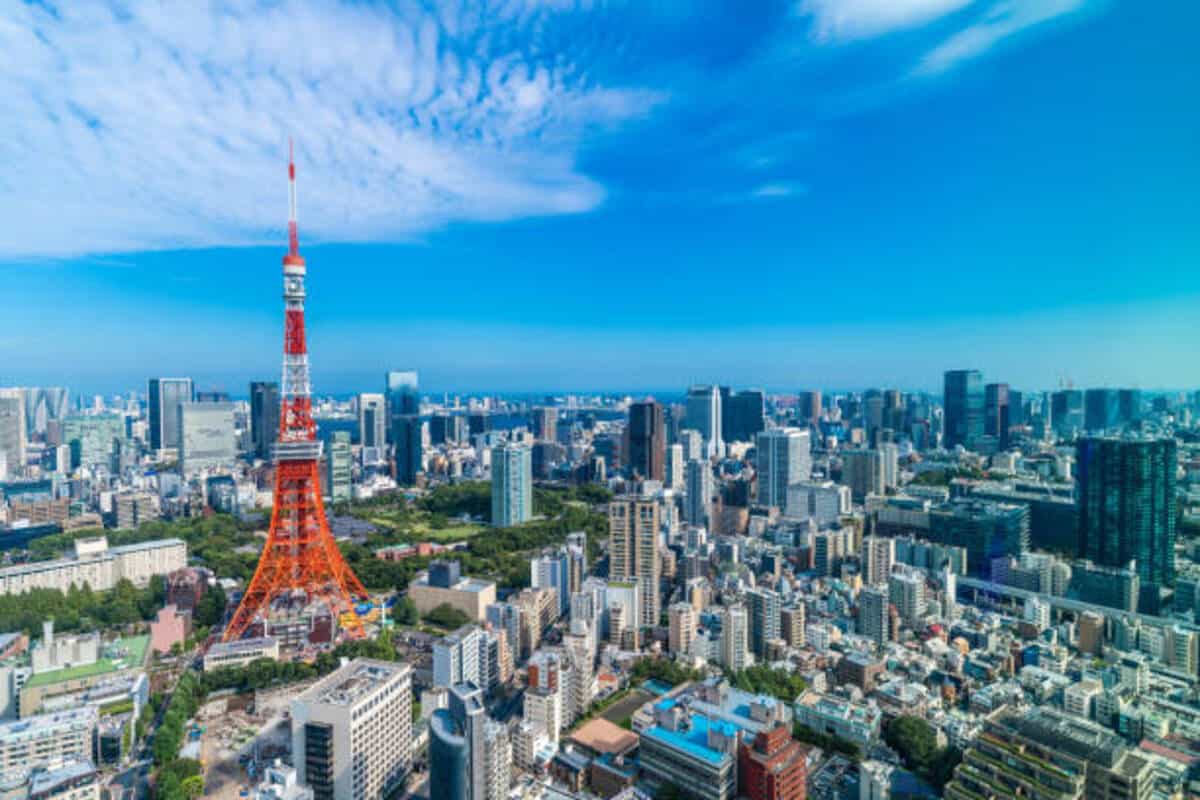
Image generated with Ai
Japan’s tourism industry is entering a challenging new phase as rising international visitor demand across major destinations such as Tokyo, Kyoto and Osaka creates increasing pressure on hotels, ryokans and accommodation businesses. The country’s tourism boom has strengthened the economy and pushed visitor numbers to new heights, but a severe workforce shortage is threatening smooth operations, with 72.2% of surveyed accommodation facilities reporting a lack of employees. To support future growth and achieve long-term tourism ambitions, Japan is now focusing on automation, improved working conditions, higher wages and stronger workforce solutions to maintain service quality for millions of travellers.
Japan’s Tourism Boom Faces Major Workforce Crisis as Over Seventy-Two Percent of Accommodation Providers Struggle to Find Staff
Advertisement
Japan’s Tourism Giants Tokyo, Kyoto and Osaka Face Growing Hospitality Workforce Crisis Amid Record Visitor Growth
Japan’s tourism industry is entering a new phase of rapid expansion, with world-famous destinations such as Tokyo, Kyoto and Osaka attracting millions of international travellers while accommodation providers face a major labour shortage. More than seven in ten lodging businesses across Japan are struggling to find enough workers, creating increasing pressure on hotels, traditional inns, resorts and other hospitality operators.
Advertisement
Advertisement
The workforce challenge comes at a time when Japan’s tourism sector is becoming a stronger economic pillar. Rising visitor numbers, increased hotel demand and ambitious growth plans towards 2030 are creating new opportunities, but they are also exposing a serious shortage of employees needed to deliver high-quality services.
A government tourism report has warned that continued staff shortages could affect customer experiences, increase pressure on existing workers and limit the ability of accommodation businesses to handle future visitor growth. The report has highlighted the need for greater investment in automation, improved working conditions, stronger employee benefits and higher wages.
Japan’s leading tourism hubs, including Tokyo, Kyoto and Osaka, are experiencing strong visitor demand as international travellers return in large numbers.
Tokyo continues to attract global visitors with its combination of modern attractions, business travel opportunities, shopping districts and cultural experiences. Kyoto continues to attract travelers from around the world with its unique blend of ancient traditions, iconic temples, preserved streets and rich cultural heritage. Meanwhile, Osaka has emerged as a dynamic tourism powerhouse, drawing visitors through its famous culinary scene, vibrant entertainment districts, large-scale events and modern urban experiences.
However, the popularity of these destinations is increasing pressure on accommodation providers. Hotels and traditional Japanese inns must manage larger numbers of guests while maintaining service standards expected by international travellers.
The growing demand has created a need for more front-desk employees, housekeeping teams, restaurant workers, reservation specialists and multilingual hospitality staff. Many businesses are finding it difficult to recruit enough employees to match the speed of tourism growth.
The government survey behind the latest tourism assessment examined 522 accommodation facilities across Japan between December and January.
The results showed that 72.2 per cent of surveyed businesses reported labour shortages. The shortage affects a wide range of accommodation providers, including hotels, ryokan traditional inns, resorts and other lodging facilities.
Many operators identified the increasing workload placed on existing employees during busy travel seasons as an immediate concern.
During peak periods such as cherry blossom season, summer holidays and national holiday breaks, accommodation facilities experience significant increases in guest arrivals. Employees must handle more reservations, prepare additional rooms, support restaurant operations and respond to higher volumes of guest requests.
When staffing levels remain low, workers are often required to manage multiple responsibilities. This can reduce operational efficiency and make it more difficult for businesses to maintain consistent service quality.
Japan’s tourism authorities have warned that the labour shortage could develop into a difficult cycle for the hospitality industry.
When accommodation businesses cannot recruit enough workers, existing employees face heavier workloads. Long hours, increased responsibilities and workplace pressure can reduce job satisfaction and encourage more workers to leave the sector.
As more employees leave, businesses face even greater recruitment challenges. Remaining staff must continue handling additional duties, creating further pressure.
This issue is particularly important for major tourism destinations such as Tokyo, Kyoto and Osaka, where accommodation demand remains high throughout the year.
Hotels in these cities must balance increasing guest expectations with limited workforce availability. International travellers often seek smooth digital services, multilingual support, personalised experiences and fast responses, making skilled employees essential.
Without improvements in recruitment, working conditions and employee retention, the labour shortage could become a major barrier to Japan’s tourism expansion.
The workforce challenge extends beyond tourism and reflects broader demographic changes across Japan.
The country is facing an ageing population and declining birth rate, reducing the number of available workers across multiple industries. Businesses in hospitality, retail, healthcare and other service sectors are competing for a smaller workforce.
Accommodation businesses face additional challenges because many hospitality roles traditionally offer lower wages compared with manufacturing and other industries.
Hospitality jobs can also involve demanding schedules, including early mornings, late evenings, weekend work and physically intensive tasks. Employees may be responsible for room preparation, guest assistance, food service, luggage handling and booking management.
To address workforce gaps, Japan has gradually expanded opportunities for foreign workers. However, successful recruitment requires language support, training programmes and workplace systems that help international employees build long-term careers.
The government has encouraged accommodation businesses to accelerate investment in technology to reduce pressure on workers.
Automated check-in systems are becoming an increasingly important tool for hotels. These systems allow guests to complete arrival procedures quickly while reducing the workload placed on reception teams.
Food service robots and other digital solutions can also support restaurant operations, transport items and complete repetitive tasks.
Technology can help accommodation businesses improve efficiency, but it is not expected to replace human interaction completely. Travellers still value personal assistance, local recommendations and professional support during their stays.
By combining technology with skilled employees, hotels and inns can improve productivity while creating better working conditions for staff.
For smaller lodging businesses in regional parts of Japan, adopting smart technology and automated systems could become an effective way to maintain operations and improve efficiency while facing ongoing challenges in hiring and retaining staff.
The government believes improved productivity and stronger tourism revenue could help businesses provide better conditions for workers.
Higher service quality can increase guest satisfaction, encourage repeat visits and generate additional spending on accommodation, dining and tourism experiences.
Greater revenue may allow hospitality businesses to increase wages, improve benefits and invest more in employee training.
For Japan’s accommodation sector, attracting and retaining workers will require more than technology. Better salaries, flexible working arrangements and clearer career development opportunities will be important to make hospitality jobs more competitive.
Japan’s tourism recovery has been supported by favourable currency conditions. The weaker yen against major currencies, including the US dollar, has made travel to Japan more affordable for overseas visitors.
International travellers have been attracted by Japan’s cultural heritage, advanced transport networks, food experiences and unique destinations.
Tokyo, Kyoto and Osaka remain among the country’s strongest tourism markets, while regional destinations are also expanding their appeal through nature, traditional culture, hot springs and local experiences.
However, increasing visitor numbers require stronger accommodation capacity and a larger workforce to maintain service standards.
Japan welcomed more than 40 million international visitors in 2025 for the first time, while foreign visitor spending reached record levels.
Tourism has become a crucial contributor to the economy, supporting hotels, restaurants, transport companies, attractions and local communities.
The government aims to increase international arrivals to 60 million by 2030. Achieving this goal will require expanded accommodation capacity, skilled workers and stronger tourism infrastructure.
The future success of Japan’s tourism industry will depend on solving the hospitality workforce shortage. Investment in automation, improved employment conditions, higher wages and workforce development will be essential.
As Tokyo, Kyoto, Osaka and other destinations continue attracting travellers from around the world, Japan must ensure that its tourism growth is supported by a stable and sustainable workforce.
Advertisement
Advertisement
Advertisement













Sunday, September 6, 2026

Sunday, September 6, 2026

Sunday, September 6, 2026

Sunday, September 6, 2026

Sunday, September 6, 2026

Saturday, September 5, 2026

Sunday, September 6, 2026

Sunday, September 6, 2026



