

Travel Crisis Strikes Asia with 34 Flight Cancellations and 483 Delays Across Indonesia, Malaysia, Thailand, Japan, China and More, Impacting Batik Air, Thai AirAsia, Malindo Air, United, Tianjin Airlines and Others in Narita, Kuala Lumpur, Jakarta, Harbin and Beyond!

Published
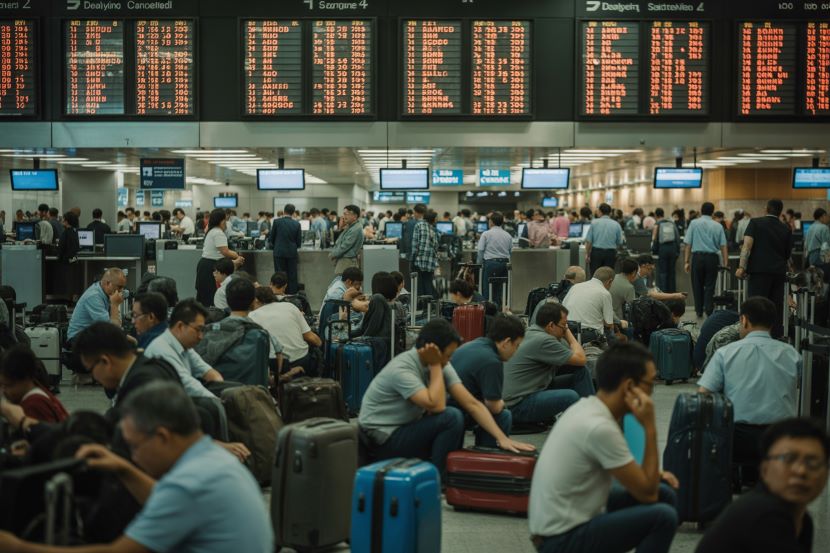 Image generated with Ai
Asia’s aviation network has been severely impacted by a massive travel disruption, as 34 flights were cancelled and 483 flights delayed across key airports in Indonesia, Malaysia, Thailand, Japan, and China. This disruption has caused chaos for thousands of travellers, with major airlines such as Batik Air, Thai AirAsia, Malindo Air, United Airlines, and Tianjin Airlines among the worst affected. Passengers traveling through airports in Jakarta, Kuala Lumpur, Narita, Harbin, and other regions have faced long delays, uncertainty, and frustration. In this article, we will break down the causes behind this massive disruption, highlight the airlines affected, and offer essential tips for passengers who are caught up in the ongoing crisis.
How the Major Airports Were Affected
Several of Asia’s busiest airports bore the brunt of these widespread disruptions. Here’s how the situation unfolded at key travel hubs:
1. Jakarta Soekarno-Hatta International Airport (CGK), Indonesia
Jakarta’s Soekarno-Hatta International Airport saw the most significant disruption, with 14 flights cancelled and 44 flights delayed. Batik Air, one of Indonesia’s largest airlines, faced numerous cancellations. The delays were caused by both weather-related issues and a lack of available flight crews. As Indonesia’s busiest airport, the chaos was particularly hard for travellers seeking international connections, with long lines at check-in counters and gate changes.
2. Hohhot Baita International Airport (HET), China
At Hohhot Baita International Airport in Inner Mongolia, 3 flights were cancelled, and 67 flights were delayed. The delays were mostly due to low visibility caused by thick fog, which caused problems for air traffic control. Tianjin Airlines, one of the major carriers operating out of Hohhot, struggled with rebooking passengers and maintaining timely communication.
Advertisement
Advertisement
3. Sultan Hasanuddin International Airport (UPG), Indonesia
At Sultan Hasanuddin Airport in Makassar, Indonesia, 3 flights were cancelled and 31 flights delayed. The delays were due to both weather issues and operational bottlenecks, particularly on flights to and from nearby tourist destinations such as Bali and Lombok.
4. Kuala Lumpur International Airport (KUL), Malaysia
With 2 cancellations and 120 delays, Kuala Lumpur International Airport faced major congestion. Airlines like Malindo Air and Thai AirAsia saw severe delays, particularly for flights to nearby countries such as Thailand and Singapore. The long delays were a result of both high traffic and ATC congestion, compounded by operational delays within ground services.
Advertisement
Advertisement
5. Kunming Changshui International Airport (KMG), China
Kunming Changshui International Airport saw 2 flights cancelled and 69 delayed, primarily due to air traffic control challenges and adverse weather conditions. Passengers, especially those with international connections, were left stranded at the airport, struggling to find updated information on their flights.
6. Don Mueang International Airport (DMK), Thailand
At Don Mueang International Airport, 2 flights were cancelled, and 48 were delayed, with Thai AirAsia and Thai Airways suffering the brunt of the disruptions. Local weather delays and operational issues on the ground caused severe congestion at the check-in counters and boarding gates, with passengers waiting for hours for updates.
Advertisement
Advertisement
Airlines Hit the Hardest
Several major airlines were affected by these disruptions, leading to widespread frustration for their passengers. Here’s a breakdown of the airlines most impacted by the chaos:
- Batik Air (Indonesia): Batik Air faced the highest number of cancellations, particularly at Soekarno-Hatta Airport. The delays were primarily due to operational issues and bad weather.
- Thai AirAsia (Thailand): Thai AirAsia saw widespread delays, particularly at Don Mueang Airport, with passengers stranded for hours due to weather and congestion.
- Malindo Air (Malaysia): Based in Kuala Lumpur, Malindo Air struggled to cope with delays, especially for flights to and from Singapore and Bangkok.
- United Airlines (USA): Though not as heavily impacted, United Airlines saw delays at Narita International in Japan, primarily due to poor weather conditions affecting international connections.
- Tianjin Airlines (China): Tianjin Airlines was significantly affected at Hohhot and Harbin airports, where weather-related delays were compounded by staffing shortages.
The Major Causes Behind the Chaos
The widespread flight disruptions across Asia can be attributed to several key factors, each contributing to the scale of the problem:
1. Severe Weather Conditions
Severe weather conditions were one of the primary reasons for the widespread cancellations and delays. Heavy rains, thunderstorms, and poor visibility across various regions, particularly in Southeast Asia and northern China, caused significant delays. In addition, typhoon season conditions compounded the situation, forcing some airports to temporarily halt operations for safety reasons.
2. Air Traffic Control (ATC) Congestion
Several major airports in the region, such as Jakarta Soekarno-Hatta and Kuala Lumpur International, were already operating at or near full capacity. With heightened air traffic in recent months due to the surge in post-pandemic travel, ATC systems struggled to handle the increased volume. This led to delayed departures, resulting in cascading effects for connecting flights.
Advertisement
Advertisement
3. Staffing Shortages and Crew Availability
The aviation industry is still grappling with staff shortages, particularly as airlines and airports struggle to hire enough ground crew and flight attendants. Many airlines were unable to field crews for their scheduled flights due to earlier delays, creating a backlog of flight cancellations and additional delays for passengers.
4. Operational Issues and Technical Glitches
A combination of mechanical failures and ongoing technical issues, particularly with Batik Air and Malindo Air’s aircraft fleet, resulted in delays. Airports also faced challenges in managing baggage handling, which further delayed the boarding process.
Passenger Tips for Dealing with Flight Disruptions
If you find yourself stuck in the middle of a travel disruption, here are several key tips to help make your experience less stressful:
1. Stay Calm and Check for Updates
The first step is always to check flight status using the airline’s official website or app. Airlines often provide real-time updates on cancellations and delays. If you’re at the airport, stay near the information desk or departure boards for announcements.
2. Be Proactive with Customer Service
Reach out to your airline’s customer service immediately. This can be done via phone, the airline’s app, or social media. Be polite but firm in requesting rebooking or compensation options if your flight has been cancelled.
3. Request Alternative Travel Arrangements
When your flight is delayed or cancelled, ask about the possibility of rerouting on another airline or finding the earliest available flight to your destination. In some cases, airlines may offer you options on other carriers.
Advertisement
Advertisement
4. Know Your Rights
In many countries, passengers are entitled to compensation or amenities like meals, lodging, and transport if their flight is delayed or cancelled. Be aware of these rights and don’t hesitate to ask for what you’re entitled to.
5. Pack Essential Items in Your Carry-On
Always have essentials like snacks, a charger, toiletries, and any necessary medications in your carry-on. Flight delays can stretch for hours, and it’s helpful to be prepared for long waits.
Conclusion: A Wake-Up Call for Asia’s Aviation Industry
The recent travel chaos in Asia serves as a wake-up call for the aviation industry in the region. While airlines and airports are taking steps to address the immediate issues, this crisis highlights the need for long-term improvements in infrastructure, staffing, and operational coordination to manage growing travel demand. As more countries lift pandemic restrictions, ensuring that the aviation industry is ready to handle surges in travel will be crucial to preventing future disruptions of this scale.
For passengers, the disruptions are a reminder of the importance of flexibility and preparation. In times of air travel chaos, staying informed and being proactive can make all the difference in reaching your destination safely and on time.
Source: Different airports and FlightAware
Advertisement
