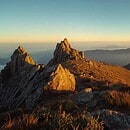
Image generated with Ai
Germany’s tourism sector is experiencing a major shift as the Black Forest Coolcation Boom attracts more international travellers, particularly from Spain and Italy. The area’s forests, mountains, lakes, and cooler land areas are improving its ranking as a prime vacation spot in contrast to traditional summer vacation spots. There is growing demand, showing how the way visitors think about the climate is shaping global tourism. Travelers are opting for nature-centric escapes and cooler regions of Europe over the traditional sun-centric beach vacations.
The Black Forest coolcation trend has become one of Germany’s strongest nature tourism stories in 2026 as travellers increasingly explore cooler destinations during summer. The region benefits from forests, mountains, lakes and outdoor experiences that attract visitors looking for alternatives to hotter European holiday locations. Germany’s tourism performance has reached record levels, with official statistics showing strong demand across hotels, guesthouses and campsites. The Federal Statistical Office (Destatis) recorded 223.8 million overnight stays in German accommodation establishments during the first six months of 2026, marking a historic high for the period.
| Tourism indicator | 2026 data |
|---|---|
| German accommodation overnight stays (January–June 2026) | 223.8 million |
| Main tourism driver | Domestic travel |
| Popular travel style | Nature, hiking and regional holidays |
| Emerging trend | Coolcation tourism |
Germany’s tourism sector continues to expand as travellers increasingly choose regional destinations, mountain areas and rural landscapes. Official tourism statistics show that the country’s accommodation industry has maintained strong momentum in 2026. Hotels, guesthouses and campsites recorded millions of overnight stays, while additional demand from online holiday rentals is not included in official accommodation figures. The growth reflects changing travel behaviour, with visitors seeking authentic landscapes, outdoor activities and cooler summer environments. Destinations ranging from the Baltic Sea coastline to the Alpine regions are benefiting from this shift towards domestic and nature-focused tourism.
| Area of growth | Tourism impact |
|---|---|
| Rural destinations | Increased visitor distribution |
| Nature tourism | Higher demand for outdoor experiences |
| Domestic travel | Strong accommodation performance |
| Regional holidays | Reduced pressure on major cities |
The Black Forest coolcation trend is transforming the region into a major summer tourism destination. Located in south-west Germany, the Black Forest attracts visitors with dense woodland, mountain landscapes, scenic villages and outdoor activities. The region’s highest mountain, Feldberg, reaches 1,493 metres, providing a cooler environment compared with many lowland European destinations. Lake Titisee is another major attraction, supporting sightseeing, leisure activities and nature-based holidays. As extreme summer temperatures influence travel choices across Europe, destinations offering forests, mountains and fresh landscapes are becoming increasingly attractive to international visitors.
Advertisement
| Black Forest attraction | Tourism importance |
|---|---|
| Feldberg mountain | Hiking and outdoor tourism |
| Titisee lake | Leisure and sightseeing |
| Forest landscapes | Nature-based travel |
| Traditional villages | Cultural tourism |
International demand for the Black Forest is rising, particularly from southern European markets. Regional tourism data shows strong growth from Spain and Italy as travellers search for cooler summer destinations. According to Schwarzwald Tourismus GmbH and Baden-Württemberg tourism statistics, Spanish overnight stays in the Black Forest reached around 199,000 in 2025, while Italian visitors generated approximately 194,000 overnight stays. Spanish visitor numbers have increased by 64% since 2015, highlighting changing European travel patterns. The trend demonstrates growing interest from warmer countries towards Germany’s forests, mountains and mild-climate holiday experiences.
| Market | Tourism figure |
|---|---|
| Spain | 199,000 overnight stays (2025) |
| Italy | 194,000 overnight stays (2025) |
| Spanish growth since 2015 | 64% increase |
The rise of the Black Forest reflects a broader transformation in European summer travel. The coolcation tourism trend is encouraging travellers to explore destinations with forests, mountains and outdoor recreation rather than relying only on traditional beach holidays. Germany’s tourism strategy increasingly focuses on sustainable tourism, regional experiences and environmentally responsible travel development. The Federal Ministry for Economic Affairs and Climate Action identifies tourism as an important economic sector supporting regional value creation across the country.
| Tourism shift | Impact |
|---|---|
| Coolcation demand | Growth of cooler destinations |
| Sustainable travel | More nature-focused holidays |
| Regional tourism | Wider economic benefits |
| Outdoor activities | Increased visitor engagement |
The growing popularity of the Black Forest creates significant opportunities for Germany’s travel and tourism sector. Increased international arrivals can support accommodation providers, restaurants, transport services, local attractions and outdoor activity operators. The region’s success also highlights how destinations can benefit from changing traveller preferences. With visitors increasingly searching for cooler summer escapes, Germany’s forests and mountain regions are gaining importance alongside traditional European holiday destinations. The Black Forest represents a new model of tourism growth based on nature, climate adaptation and authentic regional experiences.
| Tourism sector | Potential benefit |
|---|---|
| Hotels and guesthouses | Higher occupancy |
| Restaurants | Increased visitor spending |
| Outdoor operators | More activity demand |
| Local attractions | Greater international exposure |
The Black Forest’s tourism rise in 2026 highlights a major change in European holiday preferences. Official tourism data shows Germany is experiencing record accommodation demand, while regional statistics reveal increasing international interest from Spain and Italy. The combination of cooler landscapes, outdoor experiences and cultural attractions positions the Black Forest as a leading example of climate-conscious tourism growth. As travellers continue searching for comfortable summer destinations, Germany’s nature regions are expected to play a larger role in Europe’s evolving tourism landscape.
Advertisement
Advertisement
Germany’s Black Forest Coolcation Boom Drives Record Tourism Growth as Spanish and Italian Visitors Surge, showing how changing travel preferences are reshaping Europe’s summer tourism landscape. Its forests, mountains, lakes, and the outdoors have made the area an awesome vacation spot. The Black Forest booms with coolcations. Climate-related tourism now has fans in a big way and Record Tourism Growth means we’ve never been more conscious of the effect of climate change on travel. There’s the Spanish and Italian Visitors Surge because more people are leaving the city for a jaunt in the country. Germany’s Black Forest is on vacation radars as an alternative to destinations normally booked for summer travel.
Advertisement
Tags: Black Forest coolcation, Germany tourism 2026, Germany travel trends, Italian travellers Germany, Spanish tourists Germany
Advertisement
Advertisement













Friday, September 4, 2026
Friday, September 4, 2026
Friday, September 4, 2026

Thursday, September 3, 2026

Wednesday, September 2, 2026

Friday, September 4, 2026
Friday, September 4, 2026