
Rhode Island Reveals Providences Secret Homes Mills and Landmarks This Autumn

Published
Providence is ready to open doors that many visitors rarely get to see. The Festival of Architecture and Design begins on 26 September and runs until 30 October 2026. The five-week programme celebrates the 70th anniversary of the Providence Preservation Society. It gives people a new way to see Rhode Island’s capital. This is not a one-day street festival. It is a city-wide journey through homes, mills, public spaces, power buildings and historic landmarks. The programme has around 20 events. Each one helps visitors understand how Providence grew, changed and still works today. The festival invites local people, design fans and travellers to look beyond famous buildings. It shows that a city’s story can be found in old streets, working spaces and places that are usually closed to the public.
A Festival That Opens Providence Beyond the Postcard View
Rhode Island is known around the world for Newport’s grand mansions and coastal charm. But this festival puts a strong light on Providence. It shows a different side of the state. Visitors can explore College Hill, Olneyville, Silver Lake, the West End and downtown Providence. These areas have their own stories. They tell of families, artists, workers, builders and communities. The programme does not only look at old buildings. It also looks at the future. It asks how homes can use less energy. It looks at how old sites can find new life. It also shows why public spaces matter. This makes the festival useful for everyone. A child can enjoy looking at a historic home. A visitor can learn how a mill became a creative place. A design student can see how old and new ideas meet in one city.
Advertisement
Advertisement
Historic Homes Bring Benefit Street to Life
The festival opens on 26 September with the Benefit Street House Tour in College Hill. This guided experience visits six important homes on and around Benefit Street. The houses were built between 1737 and 1864. They show how Providence changed across more than one hundred years. Benefit Street is one of the city’s best-known historic areas. Its streets, homes and buildings help people imagine earlier times. The tour offers a closer look at the people and ideas behind these homes. It also explains why preservation matters. Old houses are not only beautiful things to see. They hold memories of work, family life and city growth. Visitors can learn how careful protection keeps these stories alive for future generations.
Nature and City History Meet at Neutaconkanut Hill
On 2 October, the festival moves to Neutaconkanut Hill in the Silver Lake area. This event brings together nature, landscape and local history. Parks and hills can shape a city just as much as its buildings do. They give people room to walk, rest and meet. They also help communities understand the land beneath their streets and homes. This part of the festival shows that good design is not limited to walls and roofs. It includes paths, trees, views and open spaces. For travellers, it offers a quieter way to understand Providence. It also gives them a reason to explore beyond the central visitor districts.
Advertisement
Advertisement
A Closer Look at Modern Rhode Island Design
The Modernism Field Trip on 4 October takes visitors to Foster. It expands the festival beyond Providence itself. Modern architecture often uses simple forms, clean lines and new materials. It can look very different from older New England homes. This contrast is important. Rhode Island has many historic buildings, but its design story did not stop in the past. Modern places also show how people responded to new needs, new technology and changing lifestyles. The field trip helps visitors see that preservation and modern design can stand together. Both can help people understand a place.
From Industrial Power to Creative Energy
One of the festival’s most unusual visits takes place at Manchester Street Power Station in downtown Providence. Tours are scheduled for 13 and 20 October. The 510-megawatt combined-cycle power plant sits close to Point Street. It is part of the city’s modern infrastructure. Most people pass such places without thinking about them. Yet they play an important role in daily life. The visit gives people a chance to understand the scale and purpose of a working energy site. It also shows that architecture is not only about homes, museums or grand public buildings. It includes the places that help a city function every day. On 15 October, the Atlantic Mills Studio Visits in Olneyville offer a different view of industrial history. Visitors will tour three art studios inside the former mill complex. This shows how an older workplace can become a home for artists and new ideas. It is a powerful example of adaptive reuse. Instead of losing a historic mill, the city has found a fresh purpose for it.
Sustainable Homes and the Armory’s Hidden Story
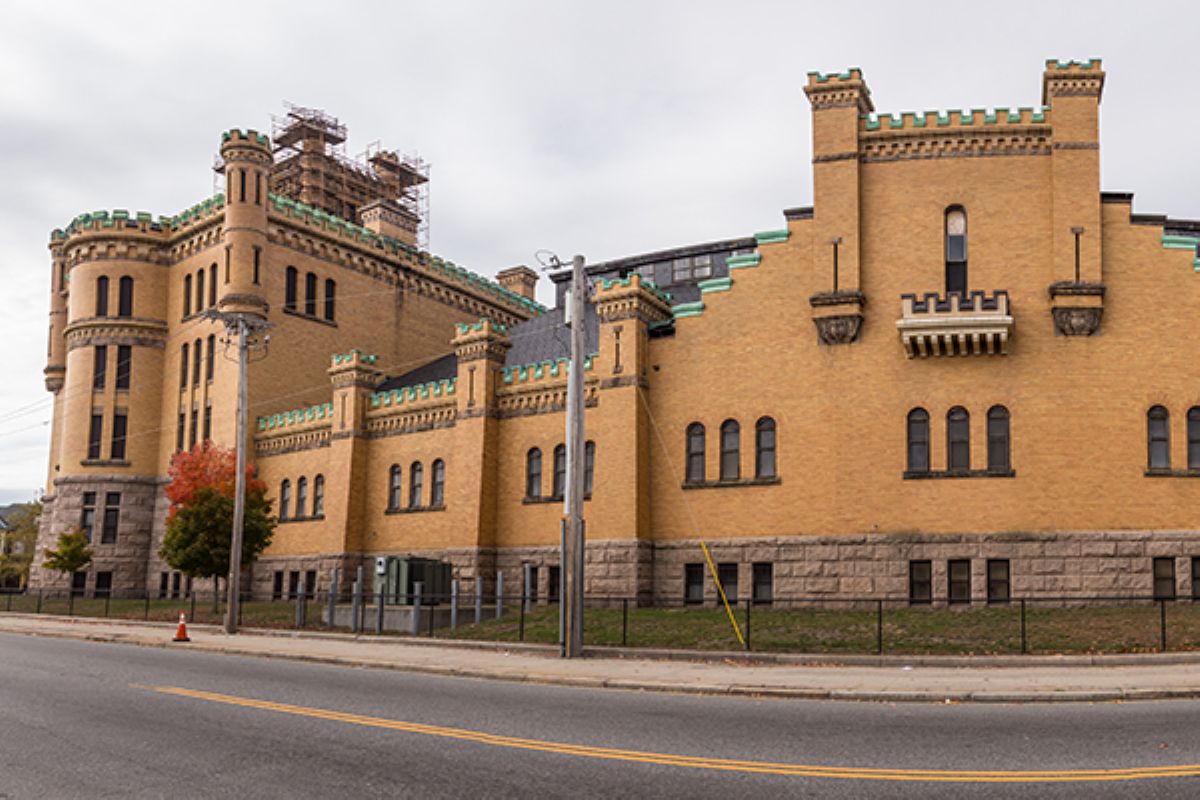
The programme also looks forward. On 23 October, the Sheridan Homes Passive House event in Dyerville focuses on a low-energy home. Passive House design aims to reduce the energy a building needs. It can help create homes that are more efficient and comfortable. This event brings a practical future-facing angle to a festival rooted in history. The final event on 30 October takes visitors inside the Cranston Street Armory in the West End. The building was constructed in 1907 for the Rhode Island National Guard. Its large walls and military past make it one of Providence’s most striking landmarks. The visit gives people an opportunity to learn about its architecture and place in the city’s story.
Why This Festival Matters for Rhode Island Tourism
The Festival of Architecture and Design offers a deeper kind of travel experience. It encourages visitors to slow down and look carefully. It turns Providence into an open classroom. The programme connects tourism with history, culture, design and local life. It also helps spread visitor interest across several neighbourhoods. That can support local cafés, shops, artists and community spaces. Providence has long been a creative city. This festival makes that identity easy to see. From private homes to industrial mills, and from a quiet hill to a major power station, it reveals a city that is always changing while still protecting what makes it special.
Advertisement
Advertisement
image credit: ppsri.org
Advertisement
