
Montenegro Redefines Adriatic Summer Travel with Tivat, Perast, Sveti Stefan, Kotor, and Skadar Lake, Offering Scenic Coastlines, Historic Towns, Luxury Escapes, and Authentic European Experiences Beyond the Crowds
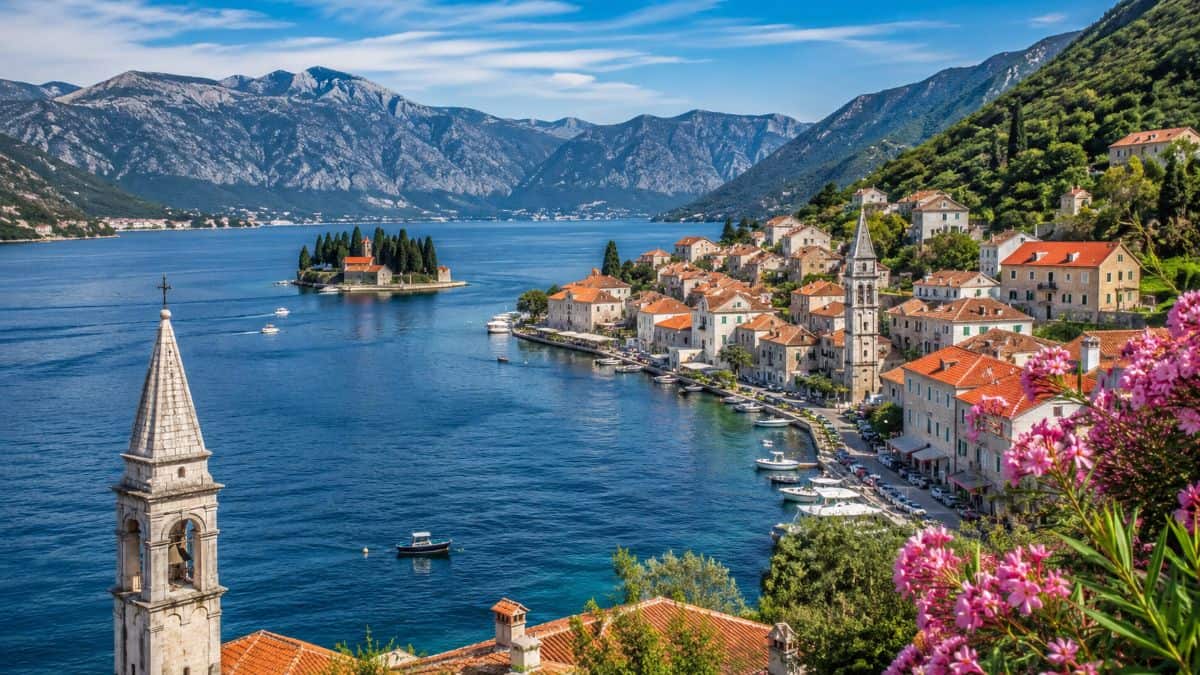
Image generated with Ai
For decades, travelers planning a Mediterranean summer holiday have instinctively gravitated toward Croatia’s celebrated islands or Italy’s bustling coastal resorts. While these destinations continue to attract millions of visitors every year, increasing crowds, premium accommodation rates, and packed beaches have encouraged many travelers to search for quieter yet equally rewarding alternatives. Nestled along the shimmering Adriatic coastline, Montenegro has steadily emerged as one of Europe’s most captivating destinations, offering dramatic landscapes, centuries-old heritage, luxury marinas, and untouched natural beauty within remarkably short travel distances.
Unlike larger European tourism hubs, Montenegro combines mountain scenery, medieval architecture, crystal-clear waters, and authentic local experiences in a compact country that can be explored comfortably in a single trip. From sophisticated waterfront promenades and UNESCO-listed old towns to tranquil lakes and secluded beaches, every corner presents a different side of the nation. This carefully curated journey highlights some of Montenegro’s finest destinations, evaluating them through first-hand travel experiences, accessibility, atmosphere, historical significance, and overall visitor satisfaction to help travelers build an unforgettable Adriatic itinerary.
Why Montenegro Is Emerging as Europe’s Most Attractive Adriatic Destination
| Destination | Experience Rating | Best Known For | Ideal For |
|---|---|---|---|
| Tivat | 9/10 | Luxury marina, dining, waterfront | Luxury and relaxation |
| Perast | 8.5/10 | Historic village, island church | Romantic escapes |
| Sveti Stefan | 8.5/10 | Iconic island panorama | Scenic photography |
| Kotor | 8/10 | UNESCO Old Town | History lovers |
| Skadar Lake | 8/10 | Nature and wildlife | Outdoor adventures |
Montenegro’s greatest strength lies in its remarkable diversity. Travelers can enjoy breakfast overlooking a luxury marina, spend the afternoon exploring medieval fortifications, and finish the day cruising across one of the Balkans’ largest freshwater lakes. This rare combination of experiences makes Montenegro particularly attractive for visitors seeking value, authenticity, and scenic variety without covering vast distances.
The country’s expanding tourism infrastructure has improved accessibility while preserving much of its cultural identity. Boutique hotels, locally owned restaurants, scenic coastal drives, and well-preserved historic settlements continue to distinguish Montenegro from many heavily commercialized Mediterranean destinations.
Advertisement
Advertisement
Tivat Sets the Standard for Modern Adriatic Luxury
| Highlights | Visitor Experience |
|---|---|
| Porto Montenegro Marina | Premium waterfront atmosphere |
| Fine dining | Fresh seafood and international cuisine |
| Boutique shopping | Luxury brands and local designers |
| Coastal promenade | Relaxed evening walks |
Tivat stands out as Montenegro’s most sophisticated coastal destination. Once a relatively quiet harbor town, it has transformed into an elegant gateway centered around Porto Montenegro, one of the Adriatic’s most prestigious superyacht marinas.
Advertisement
Advertisement
Despite its modern appeal, Tivat maintains a calm atmosphere rarely found in Europe’s busiest summer destinations. Palm-lined promenades, waterfront cafés, upscale restaurants, and beautifully maintained public spaces create an environment that balances luxury with accessibility. Its central location also makes it an excellent base for exploring the Bay of Kotor and nearby coastal attractions without constantly changing accommodation.
Perast Offers Timeless Adriatic Charm
| Highlights | Visitor Experience |
|---|---|
| Stone waterfront | Peaceful atmosphere |
| Our Lady of the Rocks | Historic island church |
| Venetian architecture | Cultural exploration |
| Bay swimming | Crystal-clear waters |
Perast represents one of Montenegro’s finest preserved historic settlements. The small waterfront village stretches gracefully along the Bay of Kotor, where elegant stone palaces, Baroque churches, and centuries-old architecture reflect the region’s maritime heritage.
The absence of heavy traffic contributes significantly to its tranquil character. Visitors spend leisurely afternoons swimming directly from stone piers, enjoying locally prepared seafood, and taking short boat rides to the famous island church of Our Lady of the Rocks. During sunset, warm light reflects across the bay, creating one of Montenegro’s most photogenic landscapes.
Sveti Stefan Remains Montenegro’s Most Recognizable Landmark
| Highlights | Visitor Experience |
|---|---|
| Fortified island | Iconic photography |
| Pebble beaches | Swimming and relaxation |
| Miločer Park | Nature walks |
| Coastal scenery | Panoramic viewpoints |
Few destinations symbolize Montenegro more than Sveti Stefan. The fortified island village connected to the mainland by a narrow causeway has become an internationally recognized image of Adriatic tourism.
Although access to parts of the island may be limited depending on hotel operations, the surrounding beaches, scenic viewpoints, and pine-covered Miločer Park remain outstanding attractions. Visitors often spend several hours enjoying the coastline before continuing their journey along Montenegro’s scenic coastal highway.
Advertisement
Advertisement
Kotor Preserves Montenegro’s Medieval Legacy
| Highlights | Visitor Experience |
|---|---|
| UNESCO Old Town | Historic exploration |
| City walls | Panoramic hiking |
| Venetian architecture | Cultural heritage |
| Local cafés | Traditional atmosphere |
Kotor remains Montenegro’s cultural centerpiece. Enclosed by imposing medieval walls beneath towering limestone mountains, the UNESCO World Heritage Site offers one of Europe’s most impressive historic urban landscapes.
Its narrow streets reveal centuries-old churches, charming public squares, artisan shops, and traditional restaurants. The famous local cats have become unofficial ambassadors of the town, delighting visitors wandering through its winding alleys.
Travelers should note that cruise ship arrivals can significantly increase visitor numbers during peak daytime hours. Early mornings and evenings provide a far more relaxed opportunity to appreciate the city’s architectural beauty.
Skadar Lake Reveals Montenegro’s Untouched Natural Beauty
| Highlights | Visitor Experience |
|---|---|
| Boat cruises | Wildlife viewing |
| Water lilies | Scenic photography |
| Island monasteries | Cultural heritage |
| Birdwatching | Nature tourism |
Away from the Adriatic shoreline, Skadar Lake introduces visitors to an entirely different side of Montenegro. Shared with neighboring Albania, it is the largest lake in the Balkans and one of the region’s richest ecosystems.
Traditional wooden boats glide through expansive fields of floating water lilies while mountain ranges frame the horizon. Birdwatchers regularly encounter pelicans, herons, cormorants, and numerous migratory species that inhabit the protected wetlands. Hidden monasteries and peaceful fishing villages further enhance the lake’s tranquil atmosphere, making it an ideal destination for travelers seeking slower, nature-focused experiences.
Advertisement
Advertisement
Planning the Perfect Montenegro Itinerary
| Travel Tip | Recommendation |
|---|---|
| Best season | May to September |
| Trip duration | 5–7 days |
| Transport | Rental car recommended |
| Currency | Euro (€) |
| Ideal travel style | Coastal and nature combination |
A balanced Montenegro itinerary combines coastal towns with inland attractions. Travelers can comfortably explore Tivat, Perast, Kotor, and Sveti Stefan over several days before dedicating a day to Skadar Lake. Renting a vehicle offers the greatest flexibility, allowing visitors to discover hidden beaches, mountain viewpoints, and traditional villages beyond the main tourist routes.
Montenegro’s compact geography ensures that even short journeys reveal dramatically changing scenery, from sparkling Adriatic coastlines to rugged mountain landscapes within a matter of hours.
Why Montenegro Deserves Greater Recognition
Montenegro successfully blends luxury tourism, medieval history, spectacular landscapes, and authentic local culture without overwhelming visitors with excessive crowds found elsewhere along the Adriatic coast. Every destination delivers a distinctive experience, whether it is the refined elegance of Tivat, the romantic tranquility of Perast, the iconic beauty of Sveti Stefan, the historic grandeur of Kotor, or the natural serenity of Skadar Lake.
For travelers seeking a destination that combines outstanding scenery with cultural depth and exceptional value, Montenegro represents one of Europe’s most rewarding summer escapes. As interest in less-crowded Mediterranean destinations continues to grow, this Adriatic nation is steadily establishing itself as a premier alternative for unforgettable coastal holidays.
Frequently Asked Questions
1. What is the best time to visit Montenegro?
The best time is between May and September, when warm weather is ideal for beaches, sightseeing, and outdoor activities.
Advertisement
Advertisement
2. Is Montenegro cheaper than Croatia?
Generally, Montenegro offers better value for accommodation, dining, and transportation than many popular Croatian coastal destinations.
3. Why is Tivat considered one of Montenegro’s top destinations?
Tivat combines luxury marinas, fine dining, waterfront promenades, and easy access to nearby attractions.
4. Is Kotor worth visiting despite cruise ship crowds?
Yes. Visiting early in the morning or later in the evening allows travelers to experience its medieval charm with fewer visitors.
5. What makes Perast unique?
Its peaceful waterfront, preserved Venetian architecture, and proximity to Our Lady of the Rocks make it one of Montenegro’s most picturesque villages.
6. Can visitors enter Sveti Stefan Island?
Public access may vary depending on hotel operations, but the surrounding beaches and viewpoints remain accessible and highly rewarding.
Advertisement
Advertisement
7. What activities are available at Skadar Lake?
Boat cruises, birdwatching, photography, cultural visits, kayaking, and nature exploration are among the most popular activities.
8. How many days are enough for Montenegro?
Five to seven days allow visitors to experience the major coastal attractions and inland natural areas comfortably.
9. Is Montenegro suitable for family holidays?
Yes. The country offers beaches, cultural sites, national parks, and family-friendly accommodations suitable for all ages.
10. Do travelers need a rental car in Montenegro?
While public transport is available, renting a car provides greater flexibility to explore scenic coastal roads, mountain viewpoints, and smaller villages.
Advertisement
