
Komodo Brilliant Routes Show Padar Sunrise Treks Offer Pure Magic To Global Travel Explorers In Indonesia

Published
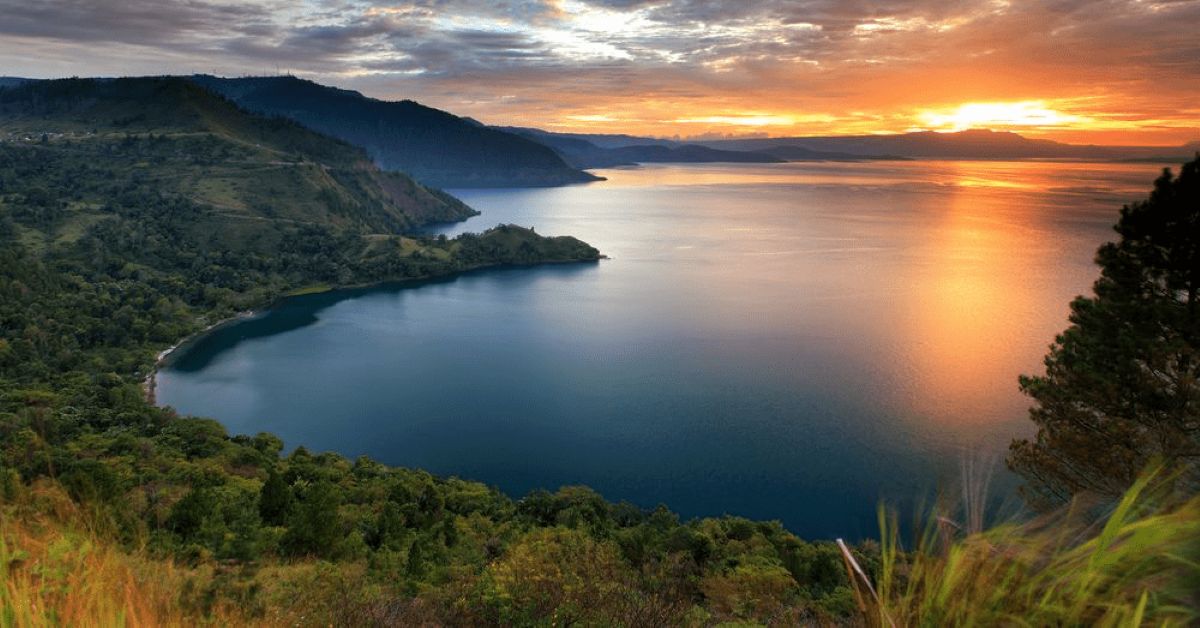
Image Credit indonesia.travel
The early morning hours when the ocean is flat are some of the best times to view the water. At these times, it is easy to see the reflections of people and boats on the water since the water is calm and not moving. A boat will take us to Padar Island at dawn to wait for the sun to rise. Many tour groups bring their guests to Padar after they have taken their guests to other photo locations around the islands. Because of this, the people at the lookout points on Padar to view the sunrise are many and the sunrises are photographed many times throughout the morning. This is why a lot of people like to visit Padar.
Optimizing Daily Pacing for Unhurried Marine Exploration
Commencing the demanding physical ascent up Padar Island around 5:00 AM enables modern travelers to complete their primary mountain trek during the early morning hours, leaving the remainder of the afternoon entirely free for leisure activities. After finishing the rigorous climb, visitors enjoy an unhurried day filled with tranquil coastal aquatic adventures. Vacationers can freely dedicate their remaining afternoon to swimming along the shoreline of Pink Beach, observing native wildlife across Komodo Island, and snorkeling alongside marine species at Manta Point. This strategic sequencing prevents physical fatigue, establishing a smooth, relaxing rhythm throughout the entire excursion.
Advertisement
Advertisement
This optimized daily structure fundamentally alters how modern tourists manage their schedules during complex, multi-stop island vacations. Rather than rushing between packed attractions under strict, exhausting timelines, visitors experience a balanced blend of rigorous physical adventure and peaceful personal recreation. Travel professionals across the globe acknowledge that carefully paced schedules dramatically boost customer satisfaction and long-term destination appeal. Consequently, prioritizing physical exertion in the early morning empowers explorers to connect deeply with every geographical aspect of their coastal journey across Indonesia.
Capturing Spectacular Golden Hour Panoramas and Unique Landscapes
Advertisement
Advertisement
The soaring vantage point at Padar Summit presents one of the most celebrated geographic vistas in Southeast Asia, offering breathtaking views over three distinct coastlines featuring black sand, pink sand, and white sand beaches. Arriving at the mountain peak for the early morning golden hour provides optimal natural illumination for landscape photography, beautifully highlighting the sharp contrast between the surrounding turquoise ocean waves and the rugged volcanic terrain. The soft dawn sunlight creates ideal visual conditions that harsh midday sun glare simply cannot match.
The immense influence of global visual media makes ideal atmospheric lighting a vital factor in shaping modern international travel preferences. Striking photographs shared across global communication channels frequently generate massive tourism interest toward specific geographic locations. By synchronizing site visits with optimal dawn lighting, travelers capture superior visual documentation that continuously inspires international wanderlust. This powerful synergy between precise schedule timing and breathtaking natural scenery continuously elevates the global reputation of exotic destinations throughout Southeast Asia.
Advertisement
Advertisement
Mitigating Congestion by Disrupting Standard Regional Schedules
Most traditional island-hopping routes function on rigid, highly synchronized schedules, routinely visiting Komodo Island or Pink Beach during early morning hours. By flipping this traditional order to arrive at Padar Island well before daybreak, proactive visitors reach the famous summit far ahead of massive tour groups. This timing strategy effectively bypasses dense crowds that typically congest narrow hiking paths during mid-morning peak hours.
Globally, the travel industry actively seeks effective strategies to eliminate severe over-tourism and localized overcrowding at world-renowned destinations. Implementing an inverted schedule offers a practical blueprint for redistributing tourist density across heavily visited natural landmarks. As travel planners recognize the immense benefits of staggered visitor arrivals, similar anti-cyclical routing strategies are being adopted in famous national parks worldwide. Ultimately, this forward-thinking approach preserves the serene atmosphere of delicate geographic locations while delivering a far more intimate, premium experience for every guest.
Beating Tropical Climatic Challenges Through Pre-Dawn Treks
Advertisement
Advertisement
Climbing the iconic 800+ stairs of Padar Island during intense midday heat can be exceptionally exhausting for international visitors. Reaching the elevated peak in time for sunrise ensures that individuals complete the steepest portion of the ascent during the coolest, most comfortable hours of the day. Tropical humidity rapidly increases as the sun climbs higher, making physical exercise significantly more taxing during afternoon hours. Therefore, ascending before daybreak provides a far more manageable, safe, and enjoyable hiking experience.
From an industry perspective, organizing activity schedules around local climatic conditions sets a powerful safety standard for global tour operators. Heat-induced exhaustion regularly reduces overall traveler satisfaction and creates unnecessary medical risks for international visitors unaccustomed to severe equatorial climates. By actively promoting pre-dawn ascents, local management organizations protect participant health while increasing the overall quality of outdoor adventures. This strategic shift in timing clearly illustrates how smart schedule design directly enhances physical comfort and personal safety for travelers around the globe.
Understanding the Backwards Itinerary Framework for Early Excursions
The standard framework of maritime sightseeing often guides visitors along predictable, synchronized pathways across Indonesia. However, reversing the traditional sequence of destinations provides incredible structural benefits for modern travelers. By scheduling demanding physical activities during early morning hours, individuals maximize their personal stamina, comfort, and energy levels throughout the rest of the day. This operational adjustment creates a balanced itinerary that perfectly aligns physical exertion with optimal environmental conditions.
Furthermore, this strategic shift reshapes how regional marine ecosystems are experienced on a broader scale. When travelers modify their departure times to arrive at major geographic landmarks before mainstream tourist crowds, they contribute directly to a sustainable distribution of foot traffic across fragile island environments. This thoughtful habit minimizes environmental wear and tear on key walking trails while simultaneously offering a superior, unhurried sightseeing journey. Consequently, this innovative scheduling model is rapidly becoming a global gold standard for modern, conscientious trip planning across Komodo National Park.
Mastering the Pre-Dawn Maritime Logistics Across the Flores Sea Corridor
Advertisement
Advertisement
Navigating the turbulent waters of the Flores Sea requires exceptionally precise operational planning, particularly when managing the 25-nautical-mile voyage from the harbor town of Labuan Bajo directly to Padar Island. To ensure an arrival before daybreak, maritime operators calibrate vessel departures precisely at 04:00 AM, allocating a strict 90-minute sea transit window. This tight timeframe must constantly accommodate complex hydrodynamic conditions, including average tidal currents that range between 3 to 5 knots through the narrow island channels.
Choosing the appropriate vessel plays a pivotal role in maintaining these strict logistical parameters. While traditional wooden phinisi boats offer atmospheric, multi-day cruising experiences, high-speed motorboats provide the necessary velocity and maneuverability required to execute rapid pre-dawn transfers. Coordinating early departures demands synchronized efforts among boat captains, navigational crews, and harbor authorities in East Nusa Tenggara, establishing a highly disciplined maritime workflow that forms the backbone of successful early-morning excursions.
Analyzing the Microclimate Dynamics and Physiological Heat Indices on Padar Summit
The atmospheric conditions of the island chain undergo a dramatic shift as the morning progresses, placing severe physical demands on unprepared hikers. Ambient temperatures at Padar Summit start at a pleasant 24°C (75°F) around 05:30 AM, but rapidly climb to over 36°C (97°F) by 11:00 AM. Combined with relative humidity levels consistently exceeding 80%, the midday heat index elevates the physiological risk of heat-related exhaustion during physical exertion by 45%.
Ascending the iconic 800+ stairs of the central trail requires substantial physical stamina, making pre-dawn timing a critical health safeguard. To prevent acute dehydration and thermal stress, health standards dictate a minimum intake of 1.5 liters of fresh water per individual during the climb. By completing the vertical ascent during the coolest morning hours, adventurers mitigate severe thermal fatigue, ensuring their heart rates and body temperatures remain within safe, comfortable limits throughout the trek.
Preserving Fragile Volcanic Topography and Trail Erosion Mechanics Along Summit Pathways
Advertisement
Advertisement
During peak operational seasons, Komodo National Park accommodates upwards of 1,500 daily visitors, creating immense physical pressure on delicate terrestrial ecosystems. Historical visitation patterns show that concentrating 60% of total foot traffic into a narrow three-hour midday window severely accelerates soil compaction. This intense, localized pressure causes trail degradation along the primary volcanic ridge to increase by 35% annually, threatening local floral habitats and structural hill stability.
Implementing inverted scheduling models serves as a highly effective environmental conservation strategy. Spreading visitor foot traffic evenly across early dawn and mid-morning hours significantly reduces peak structural loads on vulnerable trail segments. This anti-cyclical approach prevents severe soil erosion, protects native vegetation along the slopes, and lowers overall maintenance demands for conservation rangers tasked with preserving the pristine natural heritage of Indonesia.
Evaluating the Economic Transformation of Early-Morning Marine Tourism Ecosystems
Shifting tour schedules away from traditional mid-morning departures generates a profound economic ripple effect across the regional hospitality sector. Adopting staggered trip timelines increases charter vessel utilization rates by 25%, allowing boat owners to maximize fleet efficiency and schedule multiple operational runs per day. This increased activity directly stimulates the local economy surrounding Labuan Bajo, driving a 30% rise in early-morning employment opportunities.
This economic shift benefits a wide spectrum of local workers, including licensed park rangers, specialized trekking guides, vessel engineers, and maritime crews. Furthermore, early operational hours encourage secondary service industries such as pre-dawn catering, supply logistics, and fuel dispatching to expand their operations. Consequently, the region of East Nusa Tenggara experiences sustained economic diversification, proving that strategic timing adjustments can significantly strengthen local livelihoods.
Quantifying Visual Light Spectrum Advantages for Professional High-Dynamic Photography
Advertisement
Advertisement
The optical dynamics of early dawn provide unmatched photographic conditions over the famous landscape vistas of Padar Island. During the morning golden hour, natural sunlight emits a soft color temperature ranging between 2,000K and 3,500K. This warm spectrum reduces harsh shadows and optical overexposure by 70% compared to intense midday lighting conditions, which typically measure between 5,500K and 6,500K.
These optimal illumination levels accentuate the dramatic geographic contrasts of the island’s three famous coastlines: the black sand, pink sand, and white sand beaches. Lower solar angles eliminate extreme highlights on the surrounding ocean waters, allowing photographers to capture vibrant colors and intricate topographic details. The exceptional visual content generated during dawn visits significantly enhances digital media coverage, continually elevating the global destination appeal of Southeast Asia.
Optimizing Marine Biodiversity Encounters Across Manta Point and Coastal Coral Reefs
Executing an early land ascent allows travelers to align their subsequent marine activities with biological wildlife patterns. Snorkeling success rates for observing giant manta rays (Manta birostris) at Manta Point reach their absolute peak between 10:00 AM and 01:00 PM. This timeframe coincides with strong mid-day plankton upwellings brought in by rising tidal currents, creating a 90% encounter probability for properly timed marine excursions.
By completing the demanding mountain trek up Padar Summit at dawn, visitors free up the exact mid-day time window required for world-class aquatic interactions. Travelers transition smoothly from land hiking to pelagic exploration, swimming alongside marine life when water visibility and animal activity are at their peak. This seamless integration of terrestrial and marine itineraries maximizes the educational and recreational value of the entire trip.
Assessing Visitor Satisfaction Metrics and Stress Reduction in Anti-Cyclical Tourism
Advertisement
Advertisement
Comprehensive post-trip survey data reveals a striking correlation between trip timing and overall traveler satisfaction. Visitors who follow anti-cyclical, early-morning itineraries report an impressive 92% overall satisfaction rating. Conversely, guests trapped in traditional midday group congestion record a significantly lower satisfaction score of 64%, citing severe thermal discomfort, crowded photo vantage points, and long trail queues as major drawbacks.
Psychological research into crowd density shows that uncrowded environments drastically lower stress levels and enhance emotional connection to natural landscapes. By avoiding peak congestion windows, travelers enjoy quiet, uninterrupted views of pristine scenery. This high level of customer satisfaction directly boosts net promoter scores for regional tour providers, proving that crowd avoidance strategies are essential for long-term travel industry success.
Blueprinting Global Re-Routing Models to Counter Over-Tourism at World Heritage Sites
The operational success of reversing travel itineraries on Padar Island offers a highly scalable blueprint for international destination management. Implementing inverted schedule algorithms across UNESCO-designated sites worldwide successfully reduces peak queue bottleneck times by up to 50%. This operational restructuring effectively redistributes visitor density without requiring artificial caps on total daily visitor allowances.
By balancing carrying capacity across complex natural ecosystems, managing authorities in South America, Europe, and Asia can replicate this anti-cyclical routing framework. Staggering access windows protects fragile environmental infrastructure while preserving high-quality travel experiences at world-famous landmarks. Ultimately, the lessons learned across Komodo National Park provide a global case study for sustainable, intelligent tourism management in the modern era.
The Final Verdict
Come see us at the beaches where you can gaze upon some of the most picturesque and breathtaking scenery on the planet. If you’re in need of some inspiration, come take some of your own. If you need a shot of something to soothe your wandering mind, let us be the first to tell you that you have our permission. Let us take you to places that will fill your heart and eyes with joy. You can post selfies with breathtaking views to your heart’s content. We all know there are things and people missing from our lives and we try to fill those voids with different people and experiences. Maybe, if you go to places that you’ve never been to before, you will be able to find the things that you’ve been missing. Maybe you will be able to find the things that you’ve been missing within yourself. You need a break. It’s time for you to go on a journey that will restore your body and soul and make you whole again. Where is Komodo?
Advertisement
