

New York Joins Vermont In Spotlighting Small-Town Travel With Riverside Charm And Local Cuisine

Published
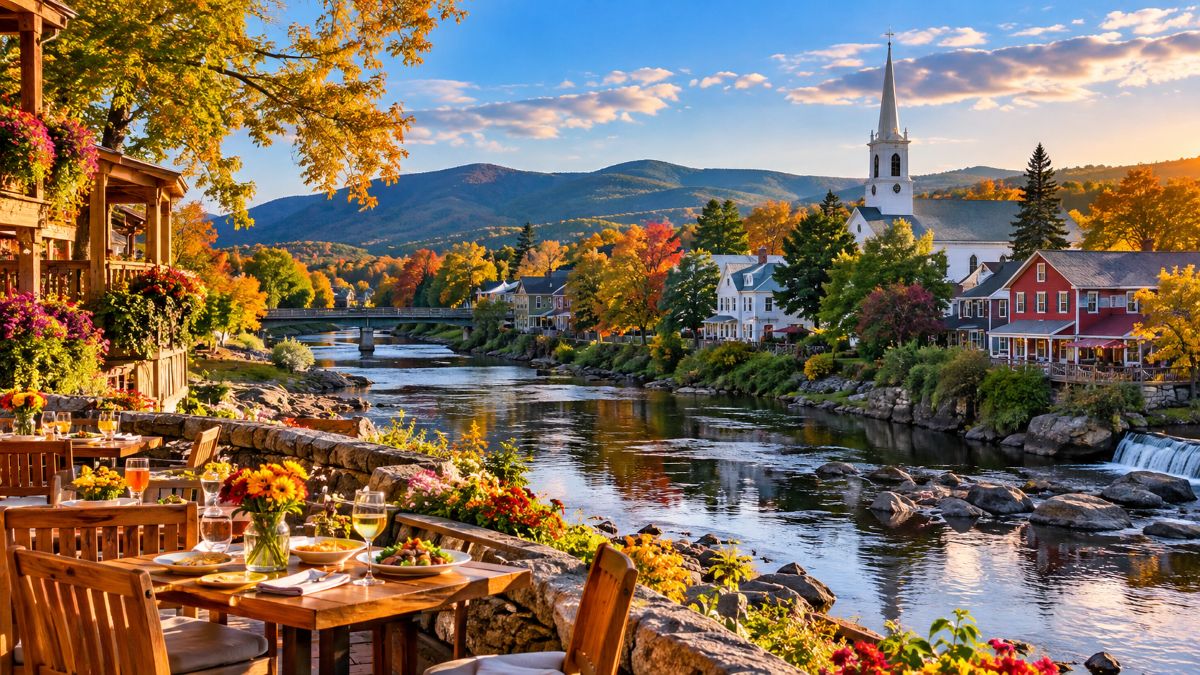
A small town can offer a memorable travel experience without the crowds, high prices and busy itineraries associated with major tourist destinations. Across the United States, historic communities are attracting attention for their independent shops, regional food, scenic waterways and distinctive cultural identities. From traditional craft businesses to welcoming restaurants, these destinations demonstrate how local character can become a compelling reason to travel.
New York and Vermont provide contrasting yet complementary examples of small-town tourism, combining picturesque landscapes with heritage, independent shopping and culinary discoveries. Their communities offer opportunities to explore beyond major cities while supporting local businesses and experiencing the traditions that continue to shape regional life.
Small-Town Tourism Gains Appeal Through Authentic Experiences
Travellers increasingly seek destinations where everyday local life becomes part of the holiday experience. Rather than concentrating exclusively on famous attractions, visitors can discover historic streets, family-owned restaurants, independent retailers and peaceful riverside walks in smaller communities.
In northeastern America, scenic landscapes and established traditions create opportunities for slower, more meaningful journeys. Small-town tourism can connect visitors with local artisans, food producers and historic landmarks while encouraging spending within the community. The appeal lies in the combination of accessible attractions and experiences that reflect the character of a particular place.
Advertisement
Advertisement
Historic Communities Combine Heritage With Modern Travel
New York offers more than metropolitan attractions, with smaller communities presenting historic architecture, distinctive shopping districts and opportunities for outdoor recreation. Beyond the major urban centres, visitors can discover villages and towns where local businesses preserve regional traditions while adapting to contemporary travel preferences.
Vermont complements this experience through its rural landscapes, traditional villages, independent shops and farm-influenced culinary culture. Seasonal scenery adds another dimension, with colourful autumn foliage, winter landscapes and spring greenery attracting different types of travellers throughout the year.
Advertisement
Advertisement
Together, these destinations illustrate how heritage and landscape can strengthen regional tourism without requiring visitors to follow conventional city-break itineraries.
Riverside Views Add Scenic Value To Local Exploration
Waterfront settings can transform an ordinary town visit into a memorable sightseeing experience. Rivers provide attractive walking routes, photography opportunities and peaceful places to pause between shopping and dining.
Advertisement
Advertisement
In communities across the northeastern United States, historic bridges, riverbanks and former industrial districts can reveal how waterways influenced settlement, commerce and manufacturing. Some former industrial buildings have also found new purposes as cultural spaces, independent businesses or hospitality venues.
Travellers should check local access information before planning riverside walks, particularly after heavy rainfall or during winter weather. Staying on designated paths and respecting private property helps preserve these environments while ensuring a comfortable visit.
Independent Shops Give Small-Town Travel Its Character
Independent retail is an important part of the appeal of smaller destinations. Visitors can browse locally produced clothing, handmade accessories, vintage merchandise, ceramics, decorative objects and practical souvenirs that offer a stronger connection to the place than mass-produced gifts.
New York’s smaller shopping districts provide opportunities to explore specialist retailers alongside established high-street businesses. Vermont’s village centres similarly appeal to shoppers interested in artisan products, locally made gifts and distinctive homeware.
Advertisement
Advertisement
These purchases can support local livelihoods and help sustain traditional skills. Travellers seeking authentic shopping experiences should allow time to explore side streets and independent stores rather than limiting their visits to larger commercial areas.
Regional Cuisine Makes Every Stop More Memorable
Food can provide a direct introduction to local identity. Independent restaurants, cafés, bakeries and traditional takeaway businesses often reflect the ingredients, culinary influences and preferences of the communities they serve.
Visitors exploring northeastern America may encounter seasonal produce, regional cheeses, traditional baked goods and menus influenced by local agriculture. Vermont is particularly associated with its agricultural heritage, while communities throughout New York offer a broad mix of traditional American cooking and international influences.
Small-town dining also encourages travellers to spend time beyond major attractions. Checking current opening hours, seasonal menus and reservation requirements can help visitors plan meals without disrupting their itineraries.
Comparing The Small-Town Travel Experience
The following comparison highlights the distinctive opportunities offered by these neighbouring northeastern destinations.
| Travel Feature | New York | Vermont |
|---|---|---|
| Shopping | Independent boutiques, vintage stores and specialist retailers | Artisan shops, craft businesses and village stores |
| Food experiences | Diverse regional and international cuisines | Farm-influenced dishes, local produce and traditional baking |
| Scenic attractions | Rivers, historic districts and varied landscapes | Mountain views, rural roads and picturesque villages |
| Cultural appeal | Industrial heritage, architecture and local traditions | Agricultural heritage, craftsmanship and village culture |
| Outdoor activities | Walking, cycling and seasonal recreation | Hiking, scenic drives and countryside exploration |
| Ideal travel style | A varied itinerary combining towns and larger attractions | A slower journey focused on scenery and rural experiences |
Actual experiences vary by community and season, so visitors should research individual attractions before travelling.
Advertisement
Advertisement
Seasonal Planning Can Improve The Journey
The time of year influences both scenery and the activities available in small-town destinations. Autumn is especially attractive for travellers seeking colourful foliage and scenic drives, although popular viewpoints and accommodation can become busier during peak weekends.
Spring offers fresh landscapes and opportunities to explore local walking routes, while summer generally provides favourable conditions for outdoor recreation and longer days of sightseeing. Winter can create picturesque village settings, but snow, ice and reduced business hours may require additional planning.
Travellers should check weather forecasts, road conditions and local event calendars before departure. Booking accommodation in advance is sensible during festivals, foliage season and major holiday periods.
Practical Transport And Accommodation Considerations
Small-town itineraries often require more transport planning than visits to major cities. Renting a car can provide flexibility when attractions are spread across rural areas, although visitors should consider parking availability, fuel costs and winter driving conditions.
Public transport may connect selected communities, but service frequency and onward connections differ significantly. Checking complete routes before departure is important, particularly when travelling on weekends or outside peak tourist seasons.
Accommodation choices range from traditional inns and bed-and-breakfast properties to independent hotels and rural stays. Comparing locations, cancellation conditions and transport access can help travellers select an option that suits their budget and preferred pace.
Advertisement
Advertisement
Responsible Tourism Supports Local Communities
Small-town tourism is most beneficial when visitors respect the places they explore. Spending money at independent businesses, following local access rules and treating residential neighbourhoods considerately can help maintain positive relationships between visitors and residents.
Travellers can also reduce their environmental impact by avoiding litter, staying on marked trails and combining nearby attractions into efficient itineraries. Purchasing locally made products provides another way to support regional livelihoods.
These practices matter because smaller communities may have fewer resources to manage concentrated visitor numbers than major tourism centres. Thoughtful travel can help preserve the qualities that make these destinations appealing in the first place.
Why Smaller Destinations Deserve More Attention
The growing appeal of small-town travel reflects a desire for experiences that combine scenery, culture, food and personal discovery. Rather than treating smaller communities as brief stops between major attractions, visitors can make them the focus of a rewarding holiday.
New York and Vermont demonstrate how independent shopping, regional cuisine, historic environments and outdoor recreation can contribute to distinctive travel experiences. With careful planning and realistic expectations, these destinations offer an appealing alternative to crowded tourist centres while giving travellers more opportunities to connect with local life.
Frequently Asked Questions
1. Why Are Small-Town Destinations Becoming Popular With Travellers?
Advertisement
Advertisement
They offer opportunities to experience local culture, independent shopping, regional food, historic architecture and quieter surroundings.
2. What Makes New York Suitable For Small-Town Travel?
Beyond its major cities, it offers historic communities, varied landscapes, independent retailers and opportunities for outdoor recreation.
3. What Can Visitors Experience In Vermont?
Visitors can explore rural villages, artisan shops, scenic countryside, local food traditions and seasonal outdoor activities.
4. When Is The Best Time To Visit Northeastern America?
Advertisement
Advertisement
Autumn is popular for foliage, while spring, summer and winter offer different scenery and recreational opportunities.
5. Are Small-Town Holidays Suitable For Families?
Yes. Walking routes, local museums, scenic drives, shops and family-friendly restaurants can provide varied activities, depending on the destination.
6. Is A Rental Car Necessary For Small-Town Travel?
Not always, but a car can provide greater flexibility where public transport services are limited or attractions are widely dispersed.
7. What Types Of Food Should Travellers Look For?
Advertisement
Advertisement
Regional specialities, seasonal produce, traditional baked goods and dishes prepared by independent restaurants are worthwhile starting points.
8. How Can Visitors Support Local Businesses?
They can dine at independent restaurants, purchase locally made products and choose accommodation operated by local businesses.
9. Should Travellers Book Accommodation In Advance?
Advance bookings are advisable during popular foliage periods, festivals, holidays and other busy travel seasons.
10. How Can Visitors Travel Responsibly In Small Communities?
Advertisement
Advertisement
Respect residential areas, follow local regulations, avoid littering, use designated paths and support businesses that contribute to the local economy.
Advertisement
