
Botswana Reveals A New Adventure Tourism Future Through Kgalagadi Transfrontier Park Transformation

Published
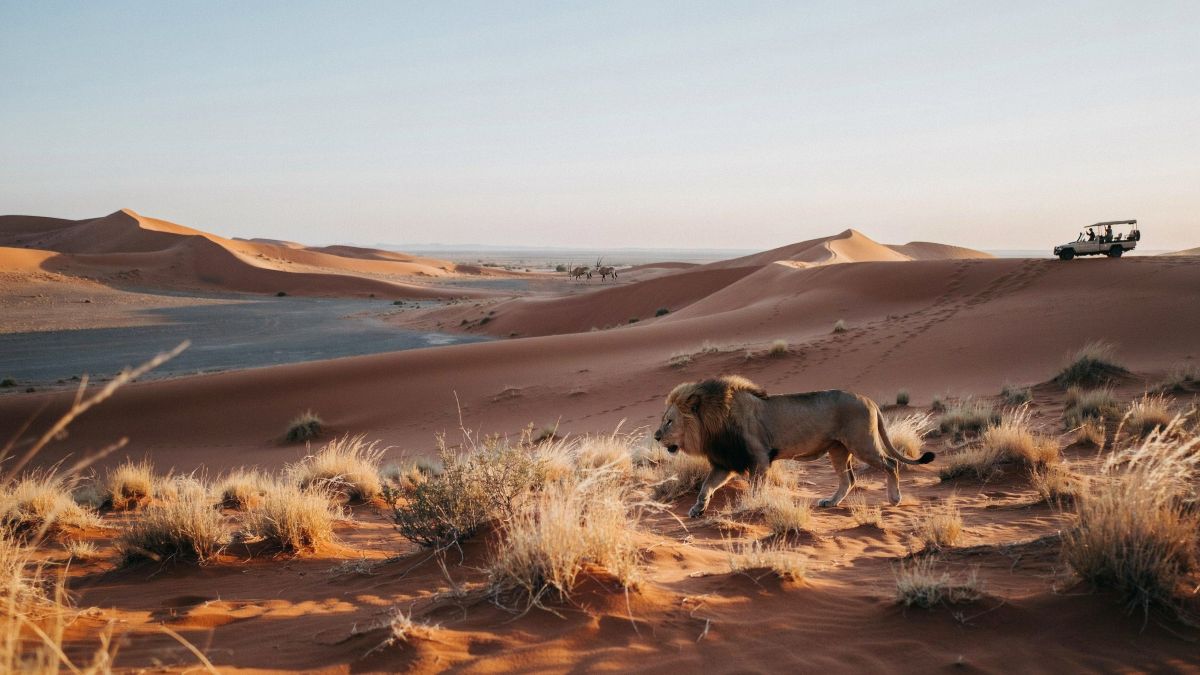
Image generated with Ai
The future of adventure tourism in Botswana is revealed through the transformation of Kgalagadi Transfrontier Park into an iconic wilderness destination that now moves into its new era of conservation and sustainable tourism development. In addition to that, Botswana is building a better future of adventure tourism in terms of conservation of the natural and wild beauty of Kgalagadi Transfrontier Park. The transformation is all about conservation, community involvement, and sustainable tourism development. As travelers from across the world look for more unique experiences, Botswana has positioned this unique place as an experience of nature, culture, and adventure tourism.
Kgalagadi Transfrontier Park Becomes Africa’s New Cross Border Tourism Symbol
The Kgalagadi Transfrontier Park is one of southern Africa’s most remarkable conservation landscapes. It stretches across Botswana and South Africa, covering a vast desert wilderness shaped by the powerful environment of the Kalahari.
The park combines two protected areas from both countries and operates as one connected ecological system.
This creates a unique tourism experience.
Advertisement
Advertisement
Visitors are not simply entering a national park. They are exploring a shared wilderness where wildlife moves through a landscape that crosses international boundaries.
Advertisement
Advertisement
The park is famous for its red sand dunes, dry river valleys, open grasslands and extreme desert conditions. Despite the challenging environment, the area supports a rich variety of wildlife.
Lions, cheetahs, gemsbok, springbok and many other desert-adapted species survive in this remarkable ecosystem.
For travellers, this creates a completely different type of adventure.
Advertisement
Advertisement
Kgalagadi does not depend on crowded attractions or large entertainment facilities. Instead, it offers wide-open spaces, peaceful surroundings and close encounters with nature.
The destination appeals to travellers searching for something beyond ordinary holidays.
Advertisement
Advertisement
Many modern visitors want experiences that feel genuine. They want to understand landscapes, discover local connections and explore places that remain protected from heavy development.
Kgalagadi provides this opportunity.
The 2026 tourism revival strengthens the park’s identity as a place where conservation itself becomes the main attraction.
The future of the destination depends on maintaining the balance between tourism growth and environmental protection.
Major 2026 Project Brings New Investment Into Conservation And Tourism
The Kgalagadi Transfrontier Park Project officially entered a new phase in 2026 with a major focus on biodiversity protection, stronger park management and community resilience.
Advertisement
Advertisement
The project is designed to create a stronger foundation for the future of the protected area.
It focuses on improving conservation systems, supporting better planning and developing stronger cooperation between organisations working across the landscape.
The programme will continue for several years and aims to improve the way the park is managed.
The initiative focuses on several important areas.
These include better conservation planning, improved infrastructure, stronger operational systems and increased support for communities connected to the park.
Advertisement
Advertisement
A major goal is to create a tourism system that supports both nature and people.
Protected areas require careful management. They need strong conservation programmes, reliable infrastructure and effective protection systems.
Tourism depends on these foundations.
When wildlife habitats remain healthy, destinations become more attractive. When communities benefit from tourism, conservation efforts become stronger.
This creates a positive cycle.
Advertisement
Advertisement
Tourism supports conservation, and conservation supports tourism.
The Kgalagadi project follows this approach by creating a long-term vision rather than focusing only on short-term visitor growth.
The aim is to protect the wilderness while creating opportunities for future generations.
Botswana And South Africa Build A Stronger Future Through Community Tourism
A major part of the Kgalagadi revival is the connection between conservation and local communities.
Tourism does not exist separately from the people who live near protected areas.
Advertisement
Advertisement
Communities often have deep knowledge of the land, local traditions and natural environments.
Their involvement can play an important role in protecting wildlife and creating meaningful visitor experiences.
The Kgalagadi project aims to strengthen community resilience and create opportunities linked with sustainable tourism development.
In Botswana, planned activities include support for community-based tourism opportunities.
Several areas near the park have been identified as places where future tourism activities could create new possibilities for local communities.
Advertisement
Advertisement
The focus is on creating pathways where people can benefit from tourism while helping protect the natural environment.
The project also recognises the importance of indigenous communities connected to the landscape in South Africa.
This represents a major change in how wildlife tourism is viewed.
A national park is no longer only a place where visitors arrive, take photographs and leave.
Instead, it becomes part of a wider system where conservation, culture and economic development work together.
Advertisement
Advertisement
For international travellers, this creates a richer experience.
A journey through Kgalagadi can become more than a safari.
It can become an opportunity to understand nature, communities and conservation efforts together.
Remote Desert Adventure Gains New Attention From Global Travellers
The Kgalagadi Transfrontier Park offers a travel experience unlike many traditional safari destinations.
Its remote location is one of its greatest strengths.
Advertisement
Advertisement
Visitors enter a landscape where silence, open skies and natural beauty dominate the journey.
The destination provides a feeling of discovery that is becoming increasingly valuable among modern travellers.
However, exploring such a vast wilderness requires preparation.
The park’s remote conditions mean visitors must carefully plan their journey.
Travellers crossing between Botswana and South Africa inside the park must follow border procedures and meet travel requirements.
Advertisement
Advertisement
The Botswana side requires particular preparation because of challenging routes, sandy roads and long distances.
Self-drive visitors need suitable vehicles and must understand the conditions before entering the wilderness.
These requirements are not weaknesses.
They are part of what makes Kgalagadi special.
Adventure travellers increasingly search for places that feel untouched and authentic.
Advertisement
Advertisement
They want destinations where nature remains powerful.
They want journeys that create memories rather than simple sightseeing.
Kgalagadi delivers this through its desert landscapes, wildlife encounters and cross-border conservation story.
The 2026 project aims to protect this character while improving systems that allow visitors to explore the park safely and responsibly.
Wildlife Protection Remains The Heart Of Kgalagadi’s Tourism Future
Conservation remains the foundation of Kgalagadi’s tourism future.
Advertisement
Advertisement
The park’s greatest attraction is its natural environment. Without healthy ecosystems, wildlife tourism cannot survive.
The 2026 revival programme places biodiversity protection at the centre of future development. It focuses on stronger management systems, improved cooperation and better protection of the landscape.
The desert environment of Kgalagadi has created a unique wildlife world.
Animals living here have adapted to extreme conditions. They survive with limited water, high temperatures and long periods without rainfall.
This makes every wildlife encounter special.
Advertisement
Advertisement
Visitors do not simply see animals. They witness a remarkable story of survival.
The park’s lions, cheetahs, gemsbok and other species represent the strength of nature in one of Africa’s toughest environments.
Protecting these species is essential for the future of tourism.
Travellers visit Kgalagadi because of its wildlife and wilderness. Protecting both ensures that future generations can experience the same natural beauty.
The 2026 initiative aims to create a balance.
Advertisement
Advertisement
Tourism must grow responsibly. Conservation must remain the priority.
Too much pressure from visitors can harm fragile environments. However, strong tourism management can provide resources needed for protection.
Kgalagadi shows how tourism and conservation can support each other when managed carefully.
Infrastructure Improvements Prepare Kgalagadi For A Stronger Tourism Future
Remote destinations often face unique challenges.
The beauty of wilderness areas comes from their untouched character, but visitors still require safe and reliable systems.
Advertisement
Advertisement
The Kgalagadi Transfrontier Park project includes efforts to improve operational systems, infrastructure and long-term management.
These improvements are designed to support conservation teams while creating better conditions for responsible tourism.
The goal is not to transform Kgalagadi into a heavily developed destination.
The purpose is to protect its wild identity while making exploration safer and more sustainable.
Infrastructure plays an important role in tourism.
Advertisement
Advertisement
Better systems can support wildlife monitoring. Improved facilities can help park operations. Stronger planning can improve visitor experiences.
For adventure travellers, this creates greater confidence when exploring one of Africa’s most remote landscapes.
The future challenge is maintaining the balance.
Kgalagadi must remain wild while meeting the expectations of modern travellers.
This balance is becoming important for protected areas worldwide.
Advertisement
Advertisement
Many destinations are asking the same question.
How can tourism grow without damaging nature?
Kgalagadi’s approach focuses on careful planning, conservation investment and responsible visitor management.
Kgalagadi Creates A New Model For Responsible African Adventure Tourism
The rise of Kgalagadi highlights a major change in global travel.
Many travellers are moving away from traditional sightseeing and searching for deeper experiences.
Advertisement
Advertisement
They want destinations where they can connect with nature.
They want places where every journey has meaning.
Kgalagadi offers this through its powerful combination of desert landscapes, wildlife and conservation efforts.
The destination represents a slower and more thoughtful style of tourism.
Visitors are encouraged to explore carefully, respect nature and understand the environment around them.
Advertisement
Advertisement
This approach matches the growing demand for sustainable travel.
Across the world, travellers are becoming more interested in destinations that protect natural resources and support local communities.
Kgalagadi fits this trend.
The park does not rely on artificial attractions.
Its strength comes from the land itself.
Advertisement
Advertisement
The red dunes, open skies, wildlife and cultural connections create an experience that cannot easily be copied.
The 2026 conservation revival strengthens this identity.
It helps protect what makes Kgalagadi valuable while creating opportunities for responsible tourism growth.
Cross Border Cooperation Gives Southern Africa A Powerful Tourism Example
One of the strongest features of Kgalagadi is cooperation between Botswana and South Africa.
The park demonstrates how countries can work together around a shared natural resource.
Advertisement
Advertisement
Wildlife does not recognise political borders.
Animals move according to landscapes, water sources and survival needs.
Because of this, conservation requires cooperation.
The cross-border model allows both countries to protect one connected ecosystem.
This creates benefits beyond wildlife.
Advertisement
Advertisement
It supports regional tourism development and encourages visitors to explore southern Africa through a wider travel experience.
A traveller visiting Kgalagadi is experiencing more than one country.
They are discovering a shared wilderness story.
This approach can inspire other regions looking to develop sustainable tourism partnerships.
The future of African tourism may depend increasingly on cooperation.
Advertisement
Advertisement
Shared landscapes can create shared opportunities.
Kgalagadi represents this possibility.
It shows that borders do not always have to divide destinations. In some cases, they can create opportunities for stronger collaboration.
Communities Become Key Partners In The Next Tourism Chapter
The future success of Kgalagadi will depend not only on wildlife protection.
It will also depend on people.
Advertisement
Advertisement
Communities connected to the landscape are important partners in conservation and tourism.
Local participation can create stronger relationships between visitors, nature and culture.
Community-based tourism can provide opportunities for local businesses, guides and cultural experiences.
It can also help communities see direct benefits from protecting natural resources.
This creates a stronger reason to support conservation.
Advertisement
Advertisement
The 2026 project highlights the importance of including communities in the future of the park.
A successful tourism destination is not only about attractions.
It is also about the people who make the destination meaningful.
Travellers increasingly want authentic experiences.
They want to meet local communities, understand traditions and learn about the places they visit.
Advertisement
Advertisement
Kgalagadi has the opportunity to offer this deeper connection.
The destination can become a place where conservation, culture and tourism work together.
Botswana And South Africa Position Kgalagadi As A Future Tourism Powerhouse
Botswana demonstrates the new era of adventure tourism of its country through the development of the Kgalagadi Transfrontier Park to the next level of sustainability of tourism. Moreover, Botswana builds its future in adventure tourism through the conservation of the natural environment and wildlife of the Kgalagadi Transfrontier Park. The transformation will ensure conservation and the development of sustainable tourism with community involvement. As travelers around the world look to get unique experiences, Botswana has transformed this wonderful place into a unique experience of nature, culture and adventure.
Advertisement
