
Switzerland Unites Netherlands and More Countries in Exploring Spain’s New Five-Star Murcia Hotel and Heritage

Updated
Published
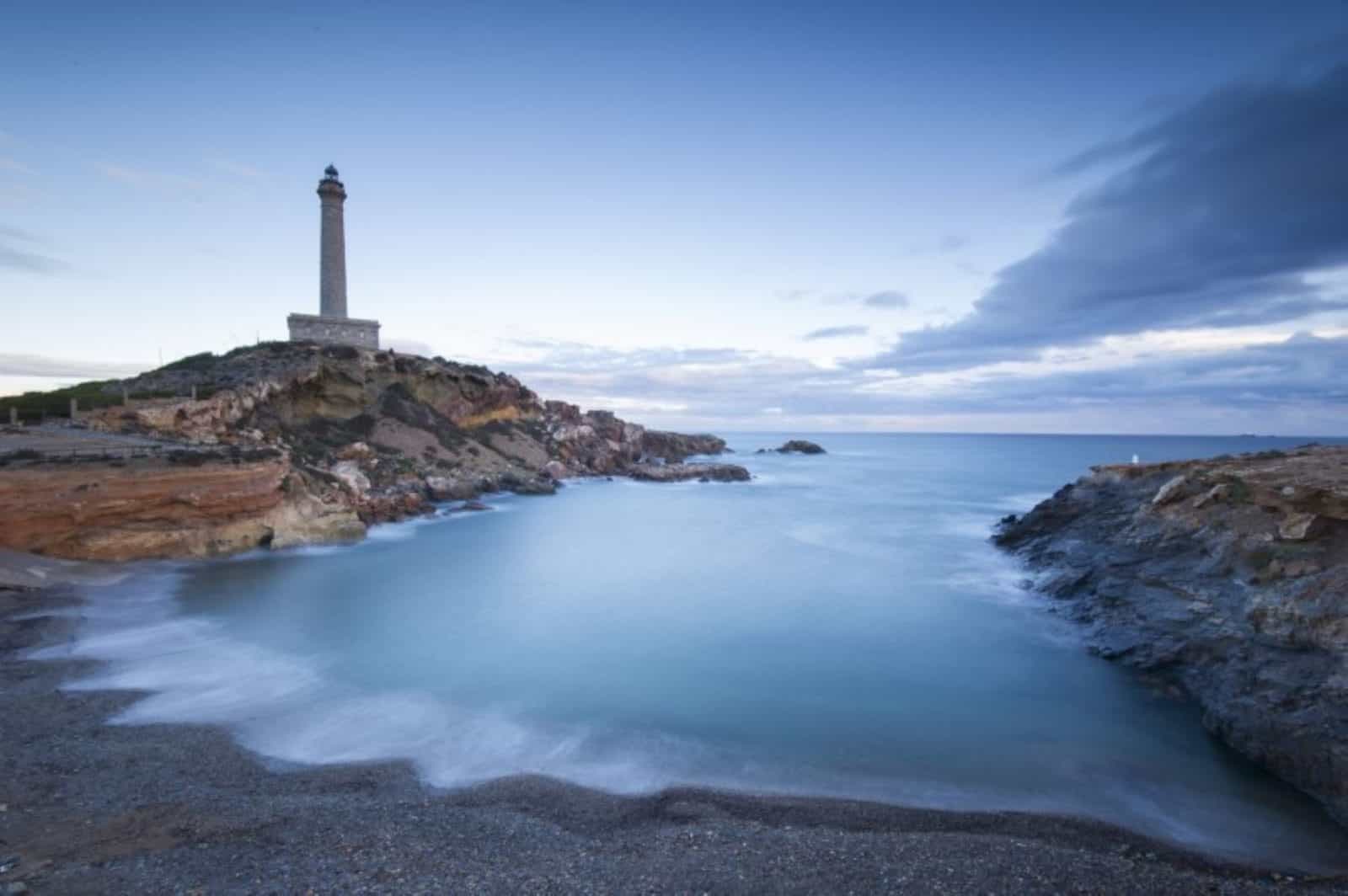
Switzerland unites Netherlands and other European tourism markets, including Portugal and Belgium, in exploring Spain’s new five-star Murcia hotel and heritage attractions. The opening of Palacio San Juan, a Royal Hideaway Hotel, introduces luxury accommodation to Murcia’s historic centre while strengthening the city’s appeal for cultural holidays, architectural exploration and premium city breaks. Travellers can combine restored palace architecture, regional gastronomy and rooftop leisure facilities with visits to Murcia’s established cultural landmarks. For global tourism, this development highlights how heritage conservation and upscale hospitality can expand destination choices, encourage local spending and support international travel beyond Spain’s traditional coastal resorts.
Murcia’s First Five-Star Hotel Strengthens Spain’s Luxury Heritage Tourism Offering
Palacio San Juan, a Royal Hideaway Hotel, occupies the former residence of the Count of Floridablanca in Murcia’s historic centre. Operated by Barceló Hotel Group, the property represents the city’s first five-star hotel and the Royal Hideaway brand’s first establishment in the Region of Murcia. The restored building combines protected nineteenth-century architecture with contemporary hospitality services. Its accommodation, restaurants and rooftop facilities provide an additional option for visitors interested in exploring Murcia without staying outside the historic centre. The project also illustrates how an existing heritage building can accommodate modern tourism while retaining important elements of its architectural character.
- Accommodation: 70 rooms and suites within a restored historic property.
- Architecture: A protected neoclassical façade retained during renovation.
- Gastronomy: Ocra restaurant offers a regional culinary concept.
- Leisure: Royal Heaven rooftop includes a swimming pool, tapas and cocktails.
- Accessibility: Hotel dining venues are available to residents as well as overnight guests.
| Hotel feature | Verified project detail from supplied announcement | Tourism relevance |
|---|---|---|
| Location | Murcia historic centre | Access to urban heritage attractions |
| Classification | Five-star | Expands luxury accommodation choice |
| Capacity | 70 rooms and suites | Supports overnight city-break tourism |
| Architecture | Restored historic palace | Heritage-led visitor experience |
| Restaurants | Ocra and additional terrace dining | Regional gastronomy tourism |
| Rooftop | Pool and panoramic leisure area | Upscale urban leisure |
Switzerland Emerges as a Growing Source Market for Spain’s Cultural and Luxury Tourism
Switzerland provides an important international audience for Spain’s expanding luxury tourism sector. According to Spain’s National Statistics Institute (INE), 1,645,005 tourists from Switzerland visited Spain between January and August 2026, representing an increase of 10.9% compared with the corresponding period of 2025. August alone accounted for 249,032 Swiss visitors, up 29.3% year on year. These figures establish growing Swiss demand for Spain as a destination, although they do not demonstrate increased bookings in Murcia specifically. Palacio San Juan provides another accommodation choice for Swiss travellers interested in combining historic architecture, regional gastronomy and city-centre experiences during a Spanish holiday.
- Swiss arrivals to Spain increased by 10.9% during January–August 2026.
- August recorded particularly strong year-on-year growth.
- Murcia offers an alternative to Spain’s established coastal holiday destinations.
- Palacio San Juan combines luxury accommodation with restored heritage architecture.
- Swiss travellers can incorporate Murcia into wider cultural itineraries through Spain.
| Swiss tourism indicator | January–August 2026 |
|---|---|
| Arrivals in Spain | 1,645,005 |
| Annual growth | +10.9% |
| August arrivals | 249,032 |
| August annual growth | +29.3% |
| Murcia hotel demand attributable to Switzerland | Not established |
Netherlands Strengthens Spain’s European Visitor Base as Murcia Expands Premium Accommodation
The Netherlands remains a substantial European tourism source market for Spain. INE recorded 3,653,320 Dutch tourist arrivals during the first eight months of 2026, an annual increase of 2.8%. August contributed 607,060 arrivals, although this was 0.9% below the corresponding month of 2025. The figures show that Dutch tourism demand remained positive across the longer reporting period despite a small monthly decline. Murcia’s new five-star hotel offers Dutch visitors another potential choice for heritage-focused city breaks. Its historic location, dining facilities and restored architecture can complement visits to Murcia’s cultural attractions, without requiring travellers to choose a conventional beach resort.
Advertisement
Advertisement
- The Netherlands generated more than 3.65 million arrivals to Spain.
- Cumulative arrivals increased by 2.8% year on year.
- August arrivals declined slightly compared with August 2025.
- Murcia offers opportunities to combine urban heritage with regional travel.
- The new hotel adds premium accommodation to the city’s visitor infrastructure.
| Dutch tourism indicator | January–August 2026 |
|---|---|
| Arrivals in Spain | 3,653,320 |
| Annual growth | +2.8% |
| August arrivals | 607,060 |
| August annual change | −0.9% |
| Confirmed Dutch bookings at Palacio San Juan | Not published |
Portugal Maintains Strong Travel Connections with Spain as Murcia Develops Heritage Hospitality
Portugal represents another significant market within Spain’s international tourism landscape. INE reported 3,418,157 tourist arrivals from Portugal between January and August 2026, an increase of 0.4% compared with the previous year. August arrivals reached 373,077, representing growth of 6.9%. The figures reflect continuing cross-border tourism between the neighbouring countries. For Portuguese visitors considering destinations beyond Spain’s most familiar cities, Murcia offers a different urban experience. Palacio San Juan introduces luxury accommodation within a restored historic residence, allowing travellers to combine cultural exploration, local dining and overnight stays. Road, rail and air itineraries require separate journey planning, as the statistics do not identify Murcia-specific transport patterns.
- Portugal contributed more than 3.41 million arrivals to Spain.
- Cumulative arrivals increased modestly during the reporting period.
- August tourism arrivals rose by 6.9% year on year.
- Murcia can be considered within wider Spanish cultural itineraries.
- The hotel provides an additional upscale accommodation option for Portuguese visitors.
| Portuguese tourism indicator | January–August 2026 |
|---|---|
| Arrivals in Spain | 3,418,157 |
| Annual growth | +0.4% |
| August arrivals | 373,077 |
| August annual growth | +6.9% |
| Confirmed Portugal–Murcia hotel demand | Not established |
Belgium Reinforces Spain’s International Tourism Market with Growing Visitor Arrivals
Belgium continues to contribute to Spain’s international tourism demand. Between January and August 2026, Spain received 2,232,126 tourists from Belgium, according to INE, representing annual growth of 5.7%. August arrivals reached 371,935, an increase of 9.2% compared with August 2025. These results indicate positive national tourism demand from Belgium, although they cannot be interpreted as evidence of rising Belgian arrivals specifically in Murcia. The opening of Palacio San Juan nevertheless adds a heritage-focused luxury hotel to Spain’s accommodation offering. Belgian visitors interested in architecture, gastronomy and cultural city breaks can consider Murcia alongside other Spanish destinations when planning future holidays.
Advertisement
Advertisement
- Belgian arrivals exceeded 2.23 million during January–August 2026.
- The market recorded annual growth of 5.7%.
- August arrivals increased by 9.2%.
- Murcia offers a heritage-oriented alternative for Spanish city breaks.
- Palacio San Juan introduces premium accommodation within a restored palace.
| Belgian tourism indicator | January–August 2026 |
|---|---|
| Arrivals in Spain | 2,232,126 |
| Annual growth | +5.7% |
| August arrivals | 371,935 |
| August annual growth | +9.2% |
| Confirmed Belgian demand for the new hotel | Not available |
Spain’s 2026 Tourism Growth Creates Opportunities for Regional Heritage Destinations
Spain’s international tourism industry continued expanding during the first eight months of 2026. Official INE figures show 70,362,493 international tourist arrivals, representing annual growth of 5.4%. August alone brought 12,256,087 international tourists, up 9.2% compared with the previous year. Hotel accommodation remained an important component of visitor activity, with 45,524,143 international tourists using hotels as their principal accommodation type during January–August. The growth in national arrivals creates a wider potential audience for regional destinations, including Murcia. However, national tourism expansion does not automatically establish higher visitor numbers, hotel occupancy or spending within an individual city.
- International arrivals reached 70.36 million during January–August.
- Total arrivals increased by 5.4% year on year.
- August arrivals rose by 9.2%.
- Hotel accommodation accounted for a substantial share of international tourism.
- Regional destinations have opportunities to compete for travellers seeking varied Spanish experiences.
| Spain tourism indicator | Official 2026 result |
|---|---|
| International arrivals, January–August | 70,362,493 |
| Annual growth | +5.4% |
| International arrivals, August | 12,256,087 |
| August annual growth | +9.2% |
| Hotel accommodation users, January–August | 45,524,143 |
| Annual growth in hotel accommodation users | +4.2% |
Murcia’s Historic Centre Connects Luxury Accommodation with Cultural Exploration
Murcia’s historic centre provides the setting for Palacio San Juan and an opportunity to explore the city’s architectural heritage. The hotel occupies a restored residence associated with the Count of Floridablanca, retaining a protected nineteenth-century neoclassical façade. Its central position allows visitors to plan walking-based cultural experiences around the city’s established attractions. Murcia Cathedral, historic streets and the city’s museums offer additional reasons to explore beyond the hotel. The combination of accommodation, dining and heritage makes the property relevant to travellers considering a short cultural stay rather than a conventional resort holiday. Individual attractions should be checked for current admission arrangements before visiting.
- Palacio San Juan occupies a restored historic residence.
- Its neoclassical façade remains an important architectural feature.
- Murcia Cathedral is a principal landmark in the city centre.
- Museums and historic streets provide additional cultural experiences.
- Central accommodation can support walking-based sightseeing itineraries.
| Heritage experience | Visitor relevance |
|---|---|
| Palacio de Floridablanca | Historic building adapted for hospitality |
| Murcia Cathedral | Religious architecture and cultural heritage |
| Historic city centre | Urban sightseeing and architectural exploration |
| Local museums | Art, history and regional identity |
| Regional gastronomy | Cultural experiences through local cuisine |
Luxury Hotel Development Supports Murcia’s Tourism Economy and Local Employment
Palacio San Juan’s economic significance extends beyond the introduction of five-star accommodation. Barceló Hotel Group expects the property to generate nearly 100 additional jobs and estimates that 80% of its suppliers will be local, including a stated 22% share from zero-kilometre sources. These are company projections supplied in the opening announcement, rather than independently verified employment or procurement results. The development could provide opportunities for hospitality workers, regional producers and service businesses. Its public-facing restaurants may also attract spending from residents who are not staying overnight. The wider economic contribution will depend on actual operations, visitor demand and supplier expenditure.
- Nearly 100 additional jobs are projected.
- Approximately 80% of suppliers are expected to be local.
- The announcement identifies a 22% zero-kilometre supplier share.
- Dining venues are designed to serve both hotel guests and residents.
- Heritage restoration creates a continuing commercial use for an existing building.
| Economic component | Reported project expectation |
|---|---|
| Employment | Nearly 100 additional jobs |
| Local procurement | Approximately 80% of suppliers |
| Zero-kilometre procurement | Approximately 22% of suppliers |
| Hospitality activity | Accommodation, dining and rooftop leisure |
| Long-term tourism contribution | Not yet quantified |
Travel and Airline Connectivity Will Influence Murcia’s International Tourism Potential
Air connectivity and onward ground transport are important considerations for visitors planning a holiday in Murcia. International travellers from Switzerland, the Netherlands, Portugal and Belgium can compare available flights to Spanish airports and then assess onward transport to the city. The Region of Murcia International Airport serves the region, while other Spanish airports may provide alternative gateways depending on departure city, season and operating schedules. However, the available evidence does not establish specific new airline services linked to Palacio San Juan or additional capacity resulting from its opening. The hotel’s contribution to international tourism will depend partly on practical travel access, competitive journey times and visitor awareness.
- Murcia has a regional international airport.
- Airline routes and frequencies should be verified before booking.
- Travellers may compare alternative Spanish arrival airports.
- Onward transfers should be included in total journey planning.
- No airline expansion has been established as a direct consequence of the hotel opening.
| Travel consideration | Practical significance |
|---|---|
| Regional airport | Potential gateway to Murcia |
| Alternative airports | Additional journey-planning options |
| Airline schedules | Determine available travel dates |
| Ground transport | Connects arrival points with the city |
| Central hotel location | Supports local cultural sightseeing |
Conclusion
Switzerland unites Netherlands and other European markets, including Portugal and Belgium, as potential audiences for exploring Spain’s new five-star Murcia hotel and heritage experiences. Palacio San Juan introduces an upscale accommodation choice within a restored historic palace, combining architectural conservation, regional dining and contemporary leisure facilities. Its opening gives travellers another reason to consider Murcia for cultural holidays and city breaks. The development also creates opportunities for local hospitality businesses and tourism services. Although country-specific demand for the hotel remains unconfirmed, the property broadens Spain’s luxury accommodation offering and strengthens Murcia’s ability to welcome visitors seeking distinctive heritage experiences.
Advertisement
