
Germany joins Greece in an over one hundred million euro Kalamata Airport redevelopment agreement aimed at creating a next-generation international gateway for tourism, business travel, and regional development

Published
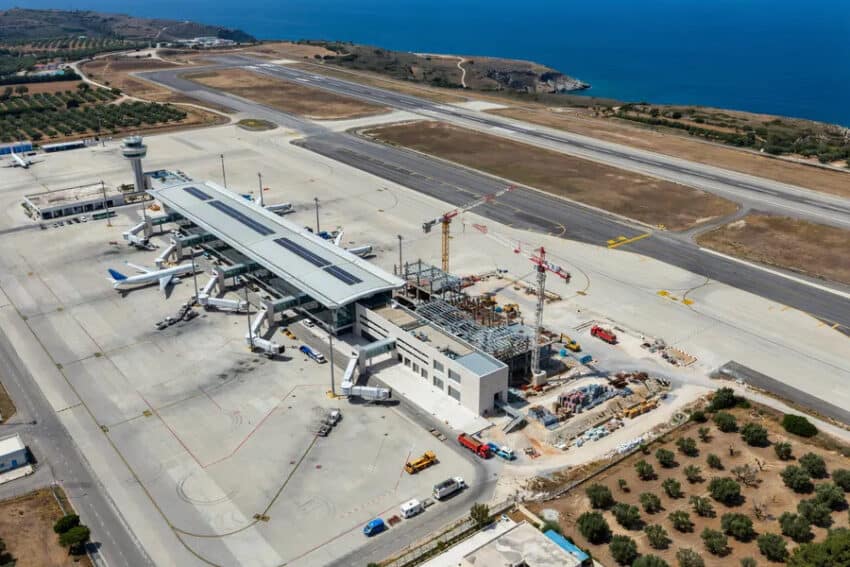
Germany and Greece have entered into a major aviation infrastructure partnership through an over €100 million redevelopment agreement for Kalamata International Airport, marking a significant step toward reshaping southern Greece’s air connectivity. The project is aimed at transforming the airport into a next-generation international gateway designed to support rising tourism demand, strengthen business travel links, and accelerate regional economic development across the Peloponnese. Backed by long-term investment and modernisation plans, the agreement focuses on expanding capacity, upgrading passenger facilities, and integrating advanced operational systems to position Kalamata as a competitive hub within the European aviation network.
Major Aviation Investment Marks a New Era for Southern Greece
A landmark aviation infrastructure agreement has been signed, bringing together Greece and Germany in a major redevelopment project for Kalamata International Airport. The initiative, valued at over €100 million, is designed to transform the airport into a next-generation international gateway supporting tourism, business travel, and regional economic expansion.
The redevelopment plan is positioned as one of the most significant infrastructure upgrades in southern Greece in decades, reinforcing the country’s long-term strategy to modernise regional airports and enhance global connectivity. The project is expected to elevate Kalamata’s status as a strategic entry point into the Peloponnese region.
Strategic Partnership Between Greece and Germany in Aviation Development
The agreement highlights a strong cross-border investment collaboration, with Germany playing a central role alongside Greece in shaping the airport’s future. The partnership reflects growing European cooperation in transport infrastructure, particularly in tourism-driven regions.
Advertisement
Advertisement
The redevelopment framework brings together international aviation expertise and domestic infrastructure planning, ensuring that Kalamata Airport is upgraded to meet rising passenger demand and international operational standards.
This collaboration is expected to enhance efficiency, increase capacity, and strengthen the airport’s role in supporting both leisure and business travel flows into southern Greece.
Advertisement
Advertisement
Full Transformation Plan for Kalamata International Airport
The redevelopment project covers complete operational management, expansion, and commercial transformation of Kalamata International Airport. The objective is to turn the facility into a modern, efficient, and digitally advanced aviation hub capable of handling increasing international traffic.
Key elements of the transformation include:
- Construction of a brand-new passenger terminal designed for higher capacity and improved passenger experience
- Full refurbishment of existing airport infrastructure
- Expansion of check-in facilities to reduce congestion during peak travel seasons
- Major upgrades to security screening systems and border control processing
- Expansion of aircraft parking stands to accommodate increased flight operations
- Development of modern retail, dining, and hospitality zones
- Introduction of advanced digital airport management systems
The upgrade programme is widely regarded as a complete overhaul of the airport’s operational model, aimed at aligning it with modern European aviation hubs.
Investment Structure and Ownership Framework
The financial and operational structure of the project has been designed to balance private sector efficiency with public sector oversight. The total investment exceeds €100 million, making it one of the largest infrastructure commitments in the region.
The ownership and operational framework includes participation from multiple stakeholders across Europe.
Key Participants in the Project:
- Greece (public sector investment and strategic oversight)
- Germany (international investment and aviation expertise contribution)
- Private aviation and infrastructure investors supporting long-term concession rights
- Regional development stakeholders focused on tourism expansion
The structure ensures long-term operational continuity while allowing significant capital investment into infrastructure expansion and modernization.
Advertisement
Advertisement
Long-Term Concession Model for Airport Operations
Under the agreement, long-term concession rights have been granted for the management and development of Kalamata International Airport. This model allows the operator to oversee all aspects of airport operations, including commercial development and infrastructure expansion.
The concession approach is designed to:
- Improve operational efficiency
- Increase passenger handling capacity
- Enhance commercial revenue streams
- Accelerate infrastructure development timelines
- Strengthen international competitiveness
This long-term model is expected to ensure sustained investment and continuous upgrades over the coming decades.
Growthfund Participation and Public Sector Role
A key feature of the agreement is the continued involvement of the public sector through a minority equity stake. The Hellenic Republic’s Growthfund retains a 10% participation share in the concession structure, ensuring that national interests remain integrated into the airport’s long-term development strategy.
This arrangement reflects a hybrid governance model where public oversight and private sector efficiency operate together to maximise both financial returns and infrastructure performance.
Regional Impact on Tourism and Economic Development
The redevelopment of Kalamata International Airport is expected to have a significant impact on tourism flows and regional economic activity. The airport serves as a key gateway to the Peloponnese, one of Greece’s most important cultural and coastal tourism destinations.
Advertisement
Advertisement
The expected benefits include:
- Increased international tourist arrivals
- Improved accessibility to southern Greek destinations
- Growth in hospitality and hotel investments
- Expansion of seasonal and year-round air connectivity
- Strengthening of local business travel infrastructure
- Job creation in aviation, tourism, and retail sectors
Authorities have emphasised that the project will serve as a catalyst for long-term economic development in the region.
Passenger Growth and Market Performance
Kalamata International Airport has recorded consistent growth in passenger traffic in recent years, driven largely by international travel demand. More than 90% of passengers using the airport arrive on international flights, highlighting its strong dependence on inbound tourism markets.
Recent trends indicate:
- Continuous passenger growth through 2025 and 2026
- Rising demand from European leisure markets
- Strong seasonal tourism peaks linked to summer travel
- Increasing airline interest in expanding routes to the destination
The redevelopment is expected to further accelerate this growth trajectory by improving capacity and operational efficiency.
Participating Countries and Investment Influence
The project reflects a broader European infrastructure collaboration involving multiple economic stakeholders.
Advertisement
Advertisement
Key country-level involvement includes:
- Greece: National infrastructure development, tourism strategy, and airport oversight
- Germany: Strategic investment participation and aviation sector expertise
- European Union framework influence: Encouraging cross-border infrastructure development and connectivity enhancement
- Regional European markets: Supporting inbound tourism demand into Greece
This multi-layered participation demonstrates how European aviation infrastructure is increasingly shaped by integrated investment ecosystems.
Modernisation Focus and Technological Integration
A central component of the redevelopment is the introduction of advanced digital technologies across airport operations. These upgrades aim to improve efficiency, passenger experience, and operational transparency.
Planned innovations include:
- Digital check-in and automated passenger processing systems
- Smart security screening technology
- Real-time flight and baggage tracking systems
- Integrated airport management platforms
- Enhanced data-driven operational planning tools
These improvements are intended to align Kalamata Airport with modern international aviation standards.
Future Vision: A Next-Generation Southern European Gateway
Once completed, Kalamata International Airport is expected to function as a key international gateway for southern Greece, supporting both tourism and business travel growth.
The long-term vision includes:
Advertisement
Advertisement
- Positioning Kalamata as a year-round destination hub
- Expanding airline partnerships and route networks
- Supporting premium tourism development in the Peloponnese
- Enhancing Greece’s competitiveness in Mediterranean aviation markets
The redevelopment represents a strategic shift toward sustainable, high-capacity regional airport infrastructure.
The agreement between Greece and Germany marks a major milestone in European aviation infrastructure development. With an investment exceeding €100 million, Kalamata International Airport is set to undergo a full transformation into a modern international gateway designed to support tourism expansion, business connectivity, and regional economic growth.
Germany and Greece have signed an over €100 million redevelopment agreement for Kalamata International Airport to deliver a next-generation aviation gateway, driven by rising tourism demand, expanding business travel flows, and the need to strengthen regional connectivity and economic growth across southern Greece.
The project reflects a broader trend of cross-border cooperation in infrastructure investment and signals a long-term commitment to strengthening southern Greece’s position within the global travel network.
Advertisement
