
Nice Côte d’Azur Travel Soars into Spotlight as National Geographic Traveler Reveals Five Riviera Gems

Published
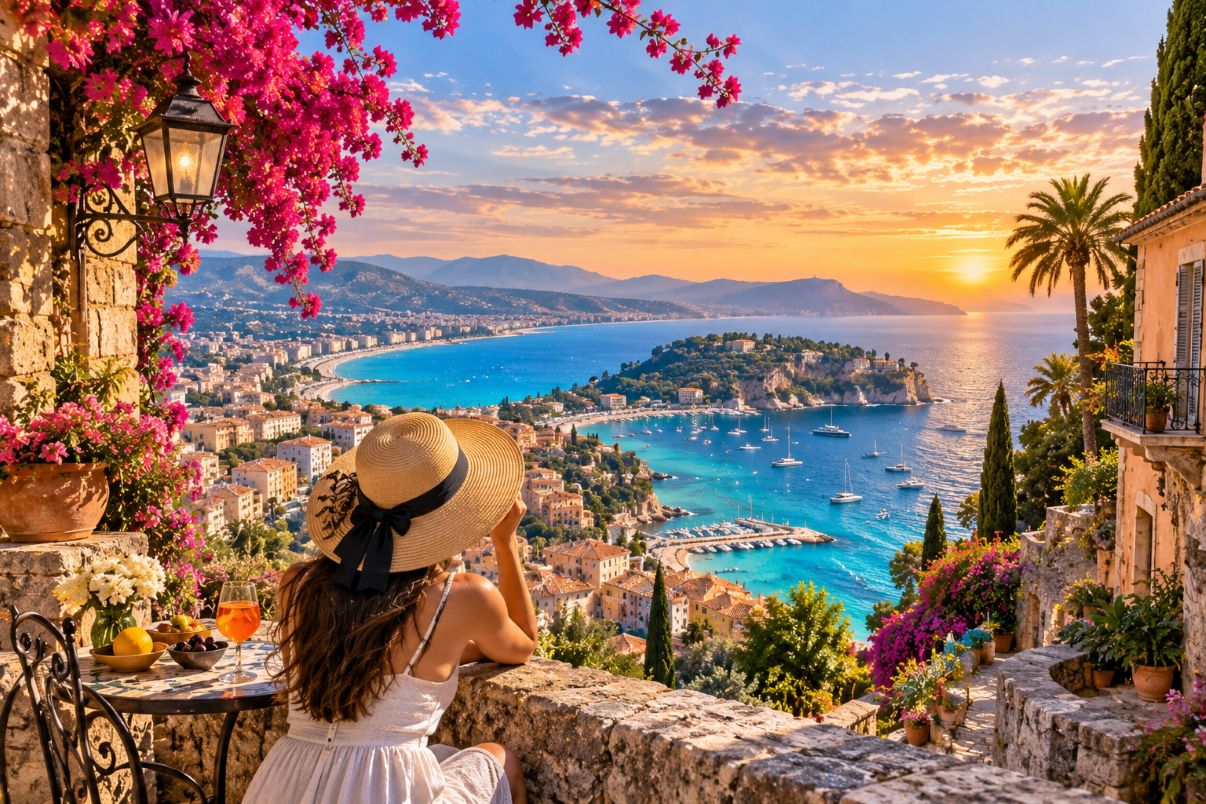
Nice Côte d’Azur, France, is enjoying renewed international attention after the Spanish edition of National Geographic Traveller featured five captivating destinations along the French Riviera and its picturesque hinterland. The coverage highlights Nice, Villefranche-sur-Mer, Beaulieu-sur-Mer, Èze and Bonson, revealing a region where Mediterranean beaches, historic villages, remarkable architecture and peaceful mountain landscapes meet. Announced by the Nice Côte d’Azur Metropolitan Tourist Office on 15 October 2026, the publication forms part of an international tourism promotion initiative. For travellers seeking experiences beyond glamorous seaside resorts, the feature introduces a fascinating combination of coastal beauty, cultural discovery and authentic village life.
National Geographic Traveller Brings Fresh International Recognition to the French Riviera
The latest National Geographic Traveller coverage presents Nice Côte d’Azur as a destination offering much more than its internationally recognised coastline.
The Spanish-language feature explores Mediterranean towns, historic settlements and natural landscapes that provide different perspectives on southern France.
According to the Nice Côte d’Azur Metropolitan Tourist Office, the publication followed a media visit organised in March 2026 in collaboration with the Southern Regional Tourism Committee and Atout France Spain.
Advertisement
Advertisement
The tourism office reported that the feature could reach approximately 733,716 unique users through the publication’s digital audience.
This figure represents potential media exposure rather than confirmed tourist arrivals or hotel reservations.
Advertisement
Advertisement
The October coverage follows an earlier 14-page feature published during summer 2026, which explored the region’s artistic heritage and Mediterranean light.
Nice’s Spectacular Mediterranean Coastline Remains a Major French Tourism Attraction
Nice provides the cultural and geographical centre of the destinations highlighted in the publication.
Advertisement
Advertisement
The city combines Mediterranean beaches with historic neighbourhoods, art museums, traditional markets and celebrated architectural landmarks.
The Promenade des Anglais remains one of its most recognisable attractions, offering coastal views and access to the city’s waterfront.
Visitors can also explore Vieux Nice, where narrow streets, colourful buildings and local restaurants create a distinctive atmosphere.
Cours Saleya is particularly popular for its market activity, while Castle Hill provides panoramic views across the coastline.
Advertisement
Advertisement
Nice Côte d’Azur Airport serves as the principal international gateway.
The city’s tram system connects the airport with central districts, making Nice a practical base for exploring neighbouring coastal communities.
Villefranche-sur-Mer’s Colourful Harbour Adds Timeless Charm to French Riviera Travel
Villefranche-sur-Mer introduces visitors to a quieter Mediterranean atmosphere just a short journey east of Nice.
Its waterfront is characterised by colourful buildings, narrow streets, historic architecture and a sheltered bay.
The town’s picturesque harbour provides opportunities for photography, waterfront dining and relaxed sightseeing.
Visitors can explore the old town before continuing towards Plage des Marinières, one of the area’s well-known beaches.
Advertisement
Advertisement
The Nice Côte d’Azur Tourist Office confirms that Villefranche-sur-Mer is accessible by regional TER trains from Nice and by local bus services.
This convenient connection makes the town suitable for a half-day excursion or a longer coastal visit.
Its inclusion in the international coverage draws attention to the Riviera’s smaller communities and their distinctive cultural identities.
Beaulieu-sur-Mer’s Elegant Seafront and Architectural Heritage Offer a Remarkable Escape
Beaulieu-sur-Mer combines Mediterranean scenery with elegant architecture and a relaxed coastal atmosphere.
Located approximately seven kilometres from central Nice, the town offers waterfront promenades, beaches and heritage attractions.
Villa Kérylos is among its most distinctive landmarks, presenting an architectural interpretation of an ancient Greek residence.
Advertisement
Advertisement
Visitors can also explore the marina and nearby coastal neighbourhoods.
According to the official tourist office, Beaulieu-sur-Mer is accessible by regional rail services and several bus connections from Nice.
The town’s location makes it suitable for travellers seeking cultural attractions without leaving the French Riviera coastline.
Its inclusion in National Geographic Traveller introduces readers to a destination that offers a different atmosphere from the region’s larger resort centres.
Èze’s Breathtaking Medieval Village Reveals the French Riviera’s Dramatic Hilltop Beauty
Èze provides one of the most striking contrasts between the Mediterranean coastline and the region’s elevated historic settlements.
The medieval village is known for its stone passageways, traditional buildings, artisan shops and panoramic coastal views.
Advertisement
Advertisement
Its exotic garden offers another attraction for visitors interested in plants, architecture and landscape photography.
Travellers should distinguish between Èze-sur-Mer, situated beside the coast, and the historic hilltop village.
The tourist office confirms that regional trains serve Èze-sur-Mer, while bus connections provide access to the elevated settlement.
The Nietzsche Path also connects the coastal area with the village, although it requires suitable footwear and physical preparation.
The destination’s dramatic setting illustrates the geographical diversity highlighted by the Spanish travel publication.
Bonson’s Peaceful Mountain Village Introduces Travellers to the Riviera’s Hidden Hinterland
Bonson offers a different perspective on Nice Côte d’Azur, replacing busy waterfront promenades with hillside scenery and traditional village surroundings.
Advertisement
Advertisement
Its inclusion in National Geographic Traveller highlights the appeal of exploring inland communities rather than concentrating exclusively on famous coastal destinations.
Visitors interested in local architecture, landscape photography and quieter cultural experiences may find the area particularly rewarding.
The surrounding countryside also provides an introduction to the mountainous character of the Alpes-Maritimes region.
Travellers should plan transport carefully because connections to smaller inland settlements can be less frequent than coastal rail services.
A rental car or pre-arranged local transport may offer greater flexibility.
Bonson’s inclusion demonstrates how international travel coverage can introduce lesser-known destinations to wider audiences.
Advertisement
Advertisement
How to Reach Nice Côte d’Azur and Explore Its Five Featured Destinations
Nice Côte d’Azur Airport serves as the main international arrival point for travellers visiting the region.
The city’s tram network provides connections between the airport and central Nice, while regional trains offer access to several neighbouring coastal destinations.
Villefranche-sur-Mer and Beaulieu-sur-Mer are particularly convenient for rail-based excursions.
Èze requires additional planning because the coastal railway station is separate from the medieval village.
Bonson is more suitable for travellers arranging dedicated inland transport.
A four- or five-day itinerary could combine Nice’s cultural attractions with coastal excursions and a visit to the hinterland.
Advertisement
Advertisement
Spring and early autumn generally provide comfortable conditions for sightseeing, while summer remains popular for Mediterranean beach holidays.
Responsible Tourism Gains Importance Across Nice Côte d’Azur’s Coastal and Mountain Communities
The Nice Côte d’Azur Metropolitan Tourist Office encourages visitors to use public transport, explore local communities and respect protected environments.
Its responsible tourism guidance identifies trams, buses and regional trains connecting the metropolitan area’s 51 communes.
The tourist office also promotes environmentally conscious accommodation, cycling and locally produced food.
These measures are relevant to destinations where coastal tourism and fragile natural landscapes exist close together.
Travellers visiting historic villages should respect residential neighbourhoods, avoid littering and remain on designated walking routes.
Advertisement
Advertisement
Using public transport for coastal excursions can reduce dependence on private vehicles.
The latest international coverage provides an opportunity to introduce visitors to responsible travel practices across the wider region.
Why National Geographic Traveller’s Coverage Matters for French Tourism
The Spanish publication offers Nice Côte d’Azur an opportunity to reach international readers interested in cultural experiences, Mediterranean landscapes and regional heritage.
The tourist office’s reported audience figure of 733,716 unique users indicates the scale of potential exposure.
However, that number does not represent confirmed visitor arrivals, hotel bookings or tourism revenue.
The coverage may help encourage travellers to explore smaller destinations alongside established attractions.
Advertisement
Advertisement
For local businesses, wider international visibility could support interest in accommodation, restaurants, cultural activities and guided experiences.
The longer-term economic impact will depend on actual travel decisions and subsequent tourism performance.
The development highlights the role of destination marketing and international journalism in shaping visitor awareness.
What Travellers Should Know Before Booking a French Riviera Holiday
Visitors should check French entry requirements, including applicable Schengen visa rules, before arranging their journey.
Accommodation options range from city hotels in Nice to smaller guesthouses and waterfront properties in neighbouring communities.
Travellers planning multiple destinations should verify regional train and bus timetables, particularly outside the summer season.
Advertisement
Advertisement
Comfortable footwear is advisable for historic villages where steep streets and uneven surfaces are common.
Those planning coastal activities should also check weather conditions and local safety guidance.
The Nice Côte d’Azur Tourist Office provides destination information, transport guidance and responsible tourism recommendations.
Advance planning can help visitors explore the region’s cultural and natural attractions without unnecessary travel complications.
Conclusion: Nice Côte d’Azur’s International Spotlight Opens the Door to Extraordinary Riviera Discoveries
Nice Côte d’Azur’s latest appearance in National Geographic Traveller celebrates a French Riviera that extends far beyond glamorous beaches and luxury resorts. Nice’s lively streets, Villefranche-sur-Mer’s colourful harbour, Beaulieu-sur-Mer’s elegant architecture, Èze’s medieval charm and Bonson’s peaceful hillsides each reveal a different side of the region. The international feature provides valuable exposure for smaller destinations while encouraging travellers to appreciate local heritage and natural landscapes. For visitors planning a memorable French holiday, these five locations offer an inspiring combination of Mediterranean beauty, cultural discovery and authentic experiences that reward exploration beyond the familiar tourist routes.
Advertisement
