
Thailand Follows Malaysia and More Countries in Raising Travel Alerts as France Protests Spark Tourist Safety Warnings and Concerns Across Popular European Destinations

Published
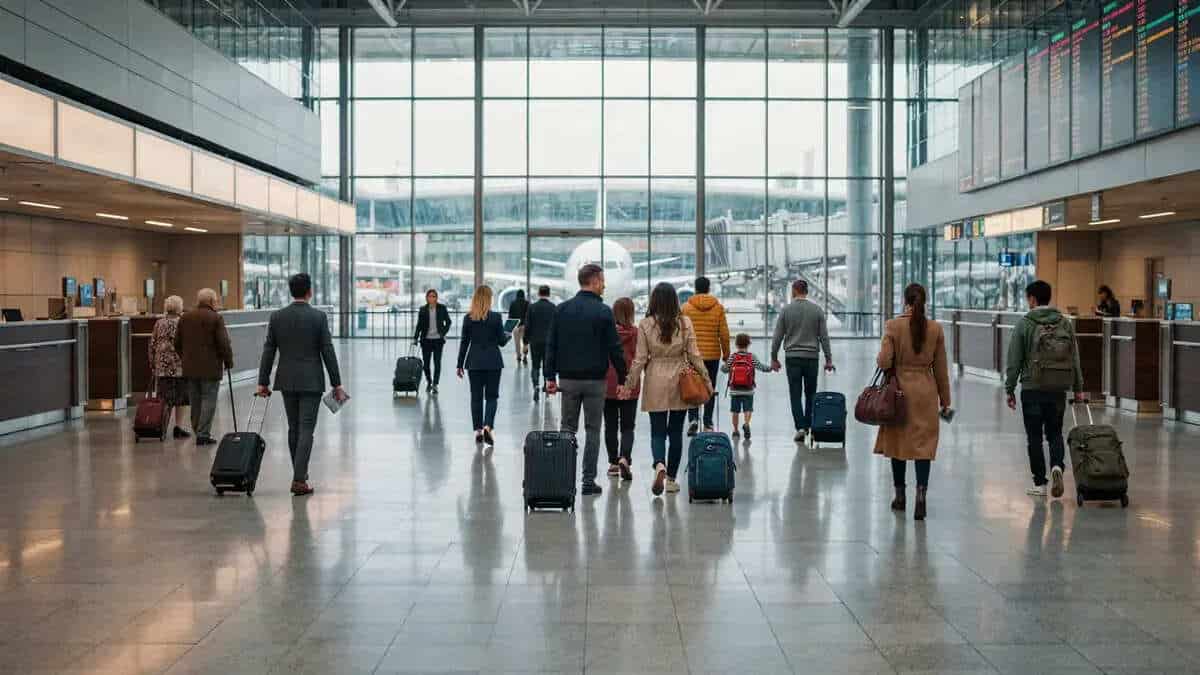
Thailand joins Malaysia and others in raising travel alerts as France protests threaten tourist safety.
Thailand, Malaysia, the United Kingdom and Canada are issuing travel warnings in view of demonstrations in France and other European destinations. Visitors have been urged to take care, avoid areas affected by protests and reconsider unnecessary travel and tours due to possible disruptions in public transport. While Thailand and Malaysia have urged their citizens to postpone non-essential visits, the UK and Canada have issued guidance to warn visitors of demonstrations and possible disruption in transport. The developments have created concerns over tourist safety, European holiday travel, transport reliability and international travel confidence. However, it is still possible to travel in France as there has been no general ban entry announced.
Thailand Urges Travellers to Reconsider Non-Essential European Journeys
Thailand’s government has raised concerns about worsening public unrest in several European destinations, advising its citizens to assess the situation carefully before travelling. The warning follows demonstrations and reported clashes that have created uncertainty around visitor safety.
Advertisement
Advertisement
Thai travellers have been encouraged to postpone journeys that are not essential, particularly where protests could affect local movement and public services. Those already visiting Europe have been advised to monitor developments and avoid areas where demonstrations are taking place.
The warning reflects growing concerns about international travel safety, especially for tourists planning holidays involving several destinations. Travellers are being encouraged to remain informed and flexible.
Advertisement
Advertisement
Malaysia Warns Citizens About Travel Risks in France
Malaysia has also issued precautionary travel guidance for its nationals visiting France, where large demonstrations have raised concerns about public safety and possible disruption.
The Malaysian Embassy in Paris has advised citizens to exercise caution and remain vigilant. Travellers have also been encouraged to consider postponing non-essential journeys until conditions improve.
Advertisement
Advertisement
Importantly, travel to France has not been prohibited. The warning is intended to help visitors make informed decisions rather than prevent international movement.
Malaysian tourists already in France are being encouraged to stay updated through official communication channels and avoid gatherings that could become unpredictable.
Advertisement
Advertisement
United Kingdom Highlights Demonstrations and Possible Travel Disruptions
The United Kingdom’s travel advice for France has highlighted risks associated with public demonstrations, including possible interruptions to transport services and restrictions on movement in affected locations.
British travellers are advised to avoid large gatherings, follow instructions from local authorities and remain alert to changing security conditions.
Demonstrations can develop quickly, particularly in major urban areas where public transport networks and popular visitor attractions serve large numbers of people.
For tourists, the warnings underline the importance of monitoring official travel advice, confirming transport arrangements and allowing additional time for journeys. Holidaymakers should also prepare alternative plans where necessary.
Advertisement
Advertisement
Canada Advises Visitors to Exercise Increased Caution in France
Canada has maintained heightened travel precautions for France, drawing attention to demonstrations, possible violence and disruption affecting public spaces.
Canadian travellers are encouraged to exercise a high degree of caution, avoid protest locations and follow local security instructions.
The guidance also highlights the possibility of interruptions to public transport and changes to movement arrangements in affected areas.
Visitors travelling independently or through organised holiday packages are encouraged to maintain communication with accommodation providers and transport operators.
The Canadian advisory reflects a broader emphasis on tourist preparedness, personal safety and responsible travel planning rather than a complete suspension of tourism activities.
Countries Raise Concerns About European Travel Safety
Although the warnings share similar safety concerns, the advice provided by each government differs. Thailand and Malaysia have encouraged travellers to reconsider non-essential journeys, while the United Kingdom and Canada have emphasised caution during visits to France.
Advertisement
Advertisement
The developments can be understood through the following country-specific travel guidance:
– Thailand: Thai citizens have been advised to consider postponing non-essential travel to European destinations affected by protests. Travellers are encouraged to monitor local developments and avoid demonstration areas.
– Malaysia: Malaysian nationals have been advised to remain vigilant in France and consider delaying unnecessary visits. Travel remains unrestricted, but caution has been recommended.
– United Kingdom: British travellers have been warned about demonstrations, possible transport interruptions and public safety concerns in France. Visitors are encouraged to monitor official information and follow local instructions.
– Canada: Canadian citizens have been advised to exercise heightened caution in France, avoid protest gatherings and prepare for possible disruption to public transport and local services.
These warnings demonstrate how European travel safety concerns are being communicated to international visitors through different levels of government advice.
Advertisement
Advertisement
France Faces Growing Tourism Concerns Amid Widespread Demonstrations
France has become the principal destination of concern following large demonstrations linked to rising living costs and wider public dissatisfaction.
Major urban centres can be particularly sensitive to protest-related disruption because transport networks, accommodation facilities, shopping districts and tourist attractions are closely connected.
When demonstrations affect central streets or transport corridors, tourists may encounter difficulties reaching hotels, railway stations and scheduled activities.
However, the presence of protests does not automatically mean that an entire destination is inaccessible.
Visitors should distinguish between specific affected neighbourhoods and areas where tourism services continue operating.
The central challenge for France tourism is maintaining visitor confidence while ensuring travellers receive accurate safety information.
Advertisement
Advertisement
European Tourism Faces Uncertainty as Travel Warnings Attract Attention
The growing attention surrounding European travel advisories could influence how international tourists plan future holidays.
Travellers may become more cautious about booking city breaks, organised tours and multi-destination journeys when demonstrations create uncertainty.
Tourism businesses could also face additional enquiries about refunds, booking flexibility, transport arrangements and safety precautions.
However, the warnings alone do not establish that widespread holiday cancellations have occurred or that international visitor numbers have declined.
A distinction must therefore be maintained between potential tourism disruption and confirmed economic losses.
For the wider travel industry, reliable communication will remain important in helping tourists understand which services and destinations are affected.
Advertisement
Advertisement
Airports, Railways and Public Transport Could Face Localised Disruptions
Transport reliability is an important concern for travellers visiting destinations affected by demonstrations. Road closures, security operations and gatherings near transport hubs may complicate local journeys.
Tourists could experience longer travel times when demonstrations affect major roads or public transport routes.
Railway connections, airport transfers and local sightseeing arrangements may require additional planning if access restrictions are introduced.
Nevertheless, the travel warnings do not establish that widespread airport closures or flight cancellations have taken place.
Passengers should therefore rely on verified airline and railway updates rather than assume that services have been suspended.
Checking transport information before departure can help prevent unnecessary inconvenience.
Advertisement
Advertisement
Hotels, Tourist Attractions and Holiday Plans May Require Greater Flexibility
Hotels, tour operators and tourism service providers may face additional operational challenges when protests take place near popular visitor areas.
Guests might need alternative routes to reach their accommodation, while sightseeing activities could require adjustments if access to particular streets or attractions becomes restricted.
Travellers booking city-centre hotels should remain informed about local developments before arrival.
Tour operators may also need to revise meeting points or departure arrangements to avoid demonstration areas.
Although such adjustments can affect the visitor experience, they do not necessarily mean that holidays must be cancelled.
Flexible itineraries and clear communication can help travellers maintain safer and more comfortable journeys.
Advertisement
Advertisement
What Should Travellers Do Before and During Their European Holidays?
Travellers planning holidays in France or other protest-affected European destinations should take practical precautions before leaving home and throughout their visit.
Official government travel advisories should be checked regularly because security conditions can change.
Airline schedules, railway operations and local transport notices should also be reviewed before travelling.
Tourists should avoid demonstrations, large crowds and locations where police restrictions are in place.
Accommodation providers can be contacted to confirm safe arrival arrangements and alternative transport routes.
Travel insurance policies should be reviewed carefully, particularly regarding civil unrest, cancellation coverage and emergency assistance.
Advertisement
Advertisement
Visitors should keep important documents accessible, maintain charged mobile phones and save emergency contact details.
Where travel is not essential, postponement may be considered in line with relevant government advice.
Travel Insurance and Booking Flexibility Become Increasingly Important
Travel insurance and flexible holiday bookings can provide additional protection when unforeseen disruptions affect international journeys.
Travellers should examine insurance exclusions before assuming that cancellations linked to protests will be covered.
Some policies may distinguish between government travel warnings, direct transport disruption and voluntary changes to holiday plans.
Airline and hotel cancellation conditions should also be checked before making booking decisions.
Advertisement
Advertisement
Visitors who decide to continue travelling may benefit from accommodation with flexible check-in arrangements and transport bookings that permit changes.
Keeping confirmation documents and receipts can simplify enquiries if a journey is disrupted.
Careful preparation remains essential for managing travel uncertainty.
Government Travel Advisories Do Not Automatically Mean Travel Bans
An important distinction must be made between travel advisories, recommendations to postpone journeys and legally enforceable travel restrictions.
Thailand and Malaysia have encouraged caution and reconsideration of non-essential trips. Their warnings should not be interpreted as blanket prohibitions on visiting France.
Similarly, the United Kingdom and Canada provide safety information intended to support informed travel decisions.
Advertisement
Advertisement
Advisory language may vary according to the severity of risks identified by each government.
Travellers should therefore read the complete official notice rather than rely solely on headlines.
A travel warning does not automatically indicate that airports, hotels, tourist attractions or international borders have closed.
International Tourists May Reconsider Their European Holiday Itineraries
The developing situation could encourage some travellers to reassess the timing and structure of their European holidays.
Visitors may choose to spend more time in locations unaffected by demonstrations or modify sightseeing schedules to avoid potentially crowded areas.
Others may prefer to postpone journeys until public conditions become more predictable.
Advertisement
Advertisement
However, these decisions will depend on personal circumstances, existing reservations and the precise advice issued by national authorities.
The tourism industry will need to provide clear information to prevent unnecessary confusion.
For travellers, accurate safety updates and flexible travel planning will be more useful than assumptions about widespread disruption.
European Tourism Outlook Depends on Safety, Stability and Visitor Confidence
The travel warnings highlighted by Thailand, Malaysia, the United Kingdom and Canada demonstrate the importance of public safety in international tourism. France remains a major travel destination, but demonstrations have brought renewed attention to visitor preparedness and the reliability of local transport arrangements.
While some travellers may consider postponing unnecessary journeys, others can continue their holidays by following official advice and avoiding affected locations. No general prohibition on travelling to France has been established by the warnings discussed here.
For the travel industry, the immediate priority is clear communication, practical assistance and accurate information. As conditions develop, tourist safety, travel confidence and responsible holiday planning will remain central to decisions about European travel.
Advertisement
