

Orlando Overtakes Miami and More Cities in Florida Skyrocketing US Tourism with a Huge Travel Demand From the British Visitors in 2026

Published
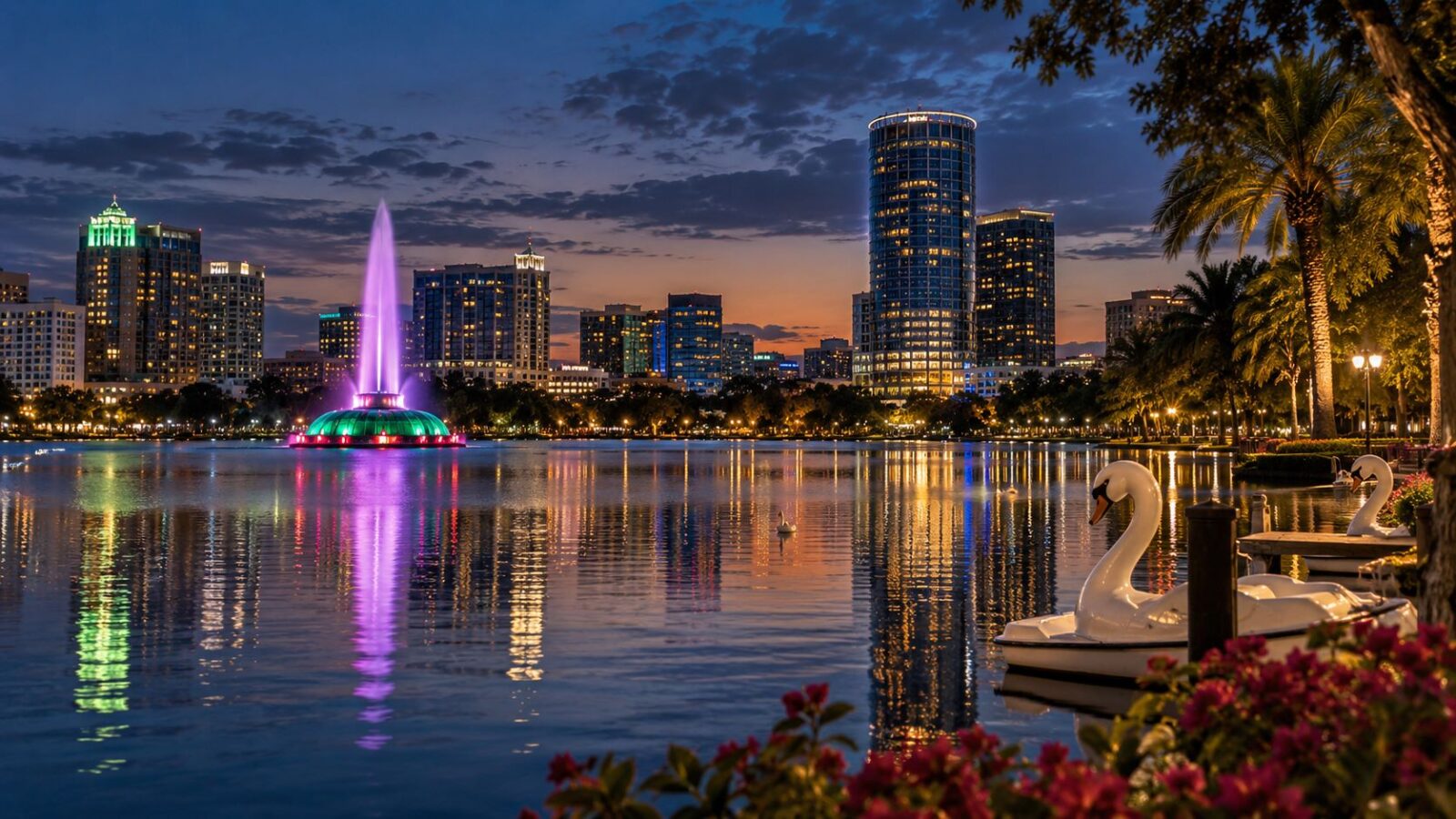 Image generated with Ai
Orlando overtakes Miami and more cities in Florida, skyrocketing US tourism with a huge travel demand from the British visitors in 2026, driven by theme parks, family holidays, cruises, beaches and multi-city trips.. Orlando recorded 291,168 British visitors, comfortably ahead of Miami at 207,604, while Tampa and Port Canaveral also maintained important positions in the UK travel market. Across the four Florida gateways, selected year-to-date visitor numbers reached 593,157, compared with 574,712 during the comparison period, representing overall growth of approximately 3.2%.
The numbers reveal more than the continuing popularity of Florida. British travel demand is becoming increasingly distributed across different types of holidays. Orlando continues to dominate family and theme-park tourism, Miami is expanding rapidly through beaches, cruises and city breaks, Tampa is strengthening its role as a Gulf Coast alternative, and Port Canaveral remains closely connected with Florida’s booming cruise economy.
Advertisement
Advertisement
Importantly, Orlando leads by visitor volume, while Miami recorded the fastest growth rate among the four Florida gateways. That distinction reveals how the UK tourism market is changing rather than simply shifting from one city to another.
British Visitor Performance Across Major Florida Gateways
| Florida Gateway | Selected YTD Visitors | Comparison YTD Visitors | Absolute Change | YoY Change |
|---|---|---|---|---|
| Orlando | 291,168 | 283,949 | +7,219 | +2.5% |
| Miami | 207,604 | 192,363 | +15,241 | +7.9% |
| Tampa | 48,541 | 47,428 | +1,113 | +2.3% |
| Port Canaveral | 45,844 | 45,972 | -128 | -0.3% |
| Total | 593,157 | 574,712 | +18,445 | +3.2% |
Orlando Remains the UK Market’s Florida Powerhouse
Orlando sits firmly at the top of the Florida ranking, recording 291,168 selected year-to-date British visitors, compared with 283,949 during the comparison period. The resulting 2.5% increase may appear restrained beside Miami’s stronger percentage growth, but Orlando is expanding from a much larger base. Its scale demonstrates how deeply the destination remains embedded within the British long-haul holiday market. Theme parks continue to form the foundation of demand, but Orlando’s tourism economy now extends across resort hotels, holiday villas, shopping centres, restaurants, entertainment districts and road-trip itineraries. British families frequently stay for longer periods than conventional city-break visitors, meaning their economic impact extends well beyond airport arrivals. Orlando’s continued leadership therefore shows that Florida’s traditional family tourism model remains remarkably resilient even as UK travellers gain more destination options across the United States and the Caribbean.
Advertisement
Advertisement
What makes Orlando particularly valuable to the wider Florida economy is its ability to act as the starting point rather than the entirety of a holiday. Repeat UK visitors increasingly understand Florida well enough to add beaches, cruises or other cities to their itineraries. A family may spend several nights around the theme parks before travelling to Clearwater, Miami or Port Canaveral. This creates a tourism multiplier effect in which Orlando’s enormous international visitor base feeds demand into other parts of the state. The city’s challenge is increasingly about value rather than awareness. British travellers already know Orlando. The competitive task is persuading them that new attractions, hotels and experiences justify another long-haul trip despite pressure from accommodation prices, attraction costs and exchange-rate movements. The 2026 growth suggests that, so far, Orlando is continuing to succeed.
Miami Is Growing Faster Even as Orlando Leads the Visitor Ranking
Miami occupies second place in overall volume but delivers the most dynamic growth story. The city recorded 207,604 selected British visitors, compared with 192,363 during the comparison period, producing a substantial 7.9% year-on-year increase. That means Miami added 15,241 visitors, more than twice Orlando’s absolute increase despite operating from a smaller base. This is important because it suggests British demand for Florida is broadening beyond the classic theme-park holiday. Miami combines beach tourism with nightlife, luxury hotels, architecture, restaurants, shopping, cruise departures and access to southern Florida. It can therefore appeal to couples, younger travellers, repeat Florida visitors and premium tourists as well as families. The city’s growth reflects a tourism proposition that is increasingly difficult to classify as simply a beach holiday or city break; Miami now functions as both.
Advertisement
Advertisement
Miami’s position as a major cruise gateway further amplifies its appeal. British visitors can combine several nights in the city with Caribbean itineraries, creating an efficient two-part holiday without needing a separate long-haul journey. The city can also anchor road trips towards the Florida Keys or connect with wider itineraries through southern Florida. From an economic perspective, this diversified visitor profile spreads spending through hotels, restaurants, nightlife, retail, attractions and transportation. Miami’s 7.9% growth therefore provides an important clue about the future direction of British tourism in Florida. Orlando may remain the market leader, but Miami is demonstrating that urban lifestyle, beach and cruise experiences are becoming increasingly powerful components of the UK traveller’s Florida itinerary.
Tampa Quietly Strengthens Its Appeal to Repeat British Travellers
Tampa remains considerably smaller than Orlando and Miami in total British visitor numbers, but its positive performance shows that Florida’s UK tourism market is becoming geographically broader. Tampa recorded 48,541 selected year-to-date visitors, compared with 47,428 previously, representing growth of 2.3%. The city’s strength comes from its position as a gateway to Florida’s Gulf Coast rather than from direct competition with Orlando. British travellers can combine Tampa with Clearwater, St Petersburg, Sarasota and surrounding beaches, while also accessing attractions, sports, dining and cruise departures. This makes the city particularly relevant to repeat visitors who already know the traditional Orlando itinerary and are seeking a different version of Florida. Tampa can therefore benefit from the maturity of the British market: familiarity with the state encourages travellers to explore areas they may have overlooked on their first visit.
Advertisement
Advertisement
The economic opportunity is substantial because Gulf Coast tourism tends to generate spending across multiple communities rather than concentrating it within a single attraction district. Car hire, coastal hotels, restaurants, beaches and cultural experiences can all benefit when international travellers use Tampa as a regional gateway. Its modest 2.3% increase should therefore not be dismissed simply because the absolute visitor numbers are smaller. Secondary gateways rarely need to overtake dominant tourism capitals to become economically important. They need to capture additional nights and spending from visitors who would otherwise remain concentrated elsewhere. Tampa’s 2026 performance indicates that this process is gradually gaining traction within the UK market.
Port Canaveral Shows How Cruise Tourism Is Reshaping the British Florida Holiday
Port Canaveral recorded 45,844 selected year-to-date visitors, compared with 45,972 during the comparison period, a marginal decline of only 0.3%. In practical terms, the market is broadly stable. Port Canaveral should also be viewed differently from Orlando, Miami or Tampa because its tourism economy is strongly influenced by cruises. British travellers visiting Central Florida can easily combine theme parks with Caribbean or Bahamas sailings, creating a holiday structure that links land-based tourism with cruising. The port’s proximity to Orlando gives it an enormous strategic advantage. Travellers can experience several days of attractions before moving towards the coast for a cruise, allowing two major tourism products to reinforce each other rather than compete for the same visitor.
The near-flat year-on-year result therefore does not necessarily indicate weakening tourism demand. Cruise passenger volumes can fluctuate according to ship deployment, itinerary schedules and embarkation patterns. More important is Port Canaveral’s role within the wider UK–Florida tourism ecosystem. It allows British visitors to transform a conventional Orlando holiday into a more complex multi-experience trip. That can increase the total value of the traveller by generating spending on transfers, accommodation, dining, attractions and cruise services. As cruising continues to influence international holiday planning, Port Canaveral’s importance may increasingly be measured by how effectively it complements Orlando rather than by whether it independently records the fastest arrival growth.
Florida’s Popular Cities Are Capturing Different Segments of the UK Market
The performance of the four gateways shows that there is no longer one standard British Florida holiday. Orlando remains dominant among families and attraction-led travellers. Miami is gaining fastest among visitors attracted by beaches, nightlife, cruises and urban experiences. Tampa is positioning itself as the gateway to the Gulf Coast, while Port Canaveral connects Central Florida with cruising.
Advertisement
Advertisement
| Destination | Main Appeal to UK Travellers | Current Trend |
|---|---|---|
| Orlando | Theme parks, villas, family travel, shopping | Largest visitor volume |
| Miami | Beaches, cruises, nightlife, luxury, city tourism | Fastest growth |
| Tampa | Gulf Coast, beaches, repeat visitors, cruises | Gradual expansion |
| Port Canaveral | Cruise departures and Orlando combinations | Broadly stable |
This diversification is economically valuable because it spreads international visitor spending across a wider area. A British traveller no longer has to choose exclusively between Orlando and Miami. The same holiday can incorporate multiple Florida destinations, creating more nights, journeys and spending opportunities within the state.
Orlando’s Lead Shows Theme Parks Still Matter, but Florida Tourism Is Becoming Broader
Orlando’s leadership confirms that the classic Florida family holiday remains extremely powerful in the UK. Theme parks are globally recognisable attractions, and the wider accommodation infrastructure around Central Florida has developed specifically to support extended family stays. Yet Orlando’s comparatively modest 2.5% growth beside Miami’s 7.9% increase suggests that the market’s next phase may involve greater diversification rather than overwhelming expansion in one destination. British travellers appear increasingly interested in combining established favourites with new experiences. This may favour itineraries where Orlando provides the anchor while Miami, Tampa or a cruise provides the second stage of the holiday.
Such behaviour can be particularly valuable for tourism because repeat travellers often spend differently from first-time visitors. Once they have experienced the headline attractions, they may explore restaurants, neighbourhoods, beaches and regional destinations in greater depth. Florida can therefore extract additional tourism value from a mature UK market without relying entirely on attracting first-time visitors.
UK Demand Gives Florida a Valuable Long-Haul Tourism Market
British travellers are especially significant because a Florida holiday requires a long-haul journey and often involves a longer stay than shorter North American trips. That means individual visitors can create substantial economic activity across accommodation, food, transportation, attractions, retail and entertainment. Across the four gateways in the supplied dataset, visitor numbers increased by 18,445, taking the combined selected year-to-date total to more than 593,000.
The figures also demonstrate why the UK remains strategically important for U.S. tourism. British visitors are not concentrated solely in New York or other traditional urban gateways. Florida continues to command substantial demand because its tourism products align strongly with UK leisure preferences, particularly family holidays, winter sun, cruising and longer road-trip itineraries.
Florida’s 2026 UK Tourism Story Is About Scale and Diversification
Orlando’s position at the top of the ranking is significant, but the deeper story lies in what is happening underneath it. Miami is accelerating faster, Tampa is moving higher, and Port Canaveral remains a critical cruise connector. Together, these destinations demonstrate that British tourism demand is increasingly supporting an interconnected Florida travel economy.
Advertisement
Advertisement
Orlando recorded the highest visitor volume, but its success should not obscure Miami’s stronger growth momentum. Likewise, Tampa’s smaller numbers should not hide its growing relevance to repeat visitors, while Port Canaveral’s almost flat performance needs to be viewed within the highly variable cruise market.
The result is a Florida tourism sector that is becoming less dependent on a single visitor experience. Theme parks, beaches, urban tourism, Gulf Coast travel and cruises are increasingly functioning as complementary parts of the same British holiday.
That may ultimately be the most important development in 2026. Orlando remains the biggest Florida gateway in the supplied UK tourism data, but the wider state is benefiting as British travellers move beyond a one-city holiday and build more complex journeys across Florida.
Orlando overtakes Miami and more cities in Florida, skyrocketing US tourism with a huge travel demand from the British visitors in 2026, driven by theme parks, family holidays, cruises, beaches and multi-city trips.
In conclusion, Orlando overtakes Miami and more cities in Florida in visitor volume, helping drive skyrocketing US tourism with a huge travel demand from the British visitors in 2026, as theme parks, family holidays, cruises, beaches and multi-city itineraries continue to strengthen Florida’s appeal across the UK market.
Advertisement
