

Russia Moves With Malaysia And More In Among 57 Countries In Powering China National Day Tourism With Record Breaking Cross-Border Flight Bookings

Published
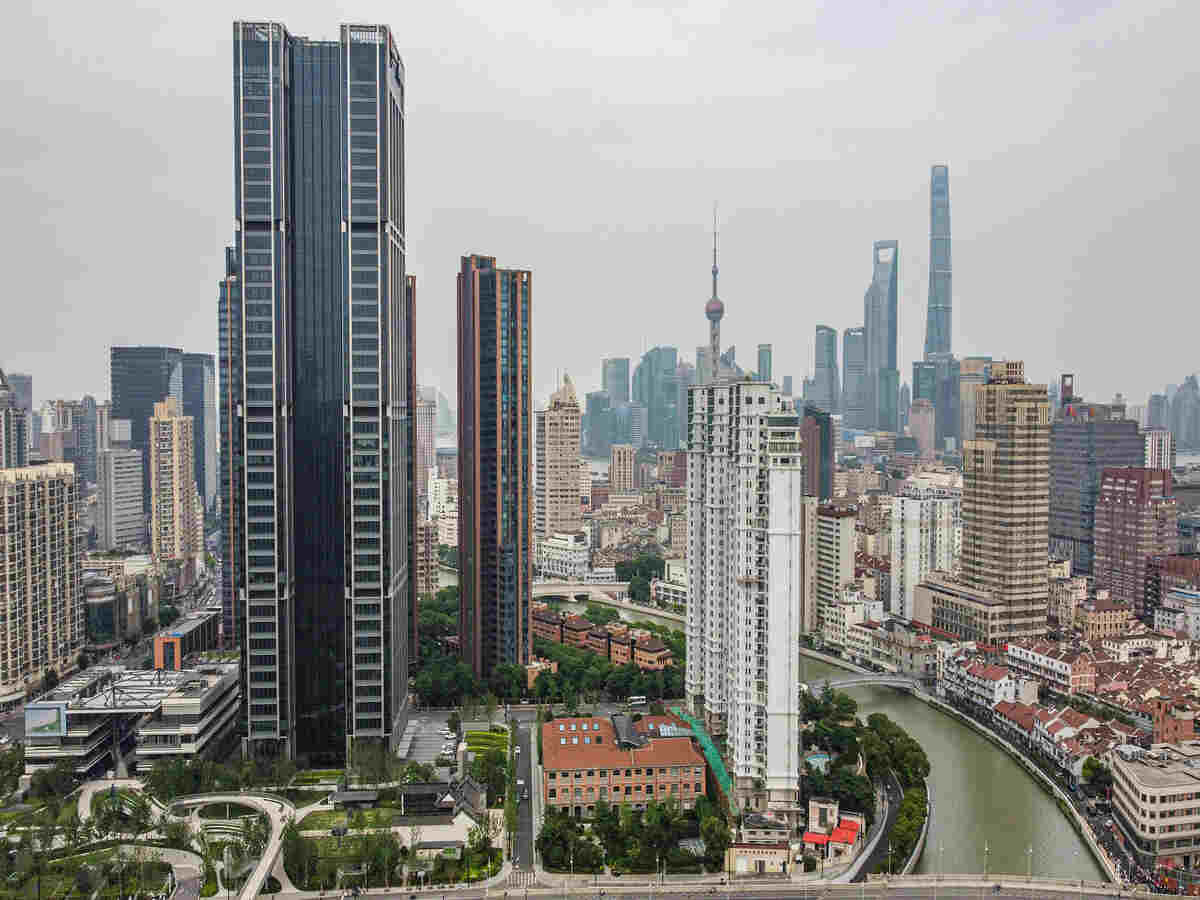
Russia, Malaysia and many other countries make China’s Golden Week tourism thrive owing to increased number of foreigners in China. The dynamics of world travels have seen a huge change in the first week of October 2026. China’s National Day holiday, known worldwide as the Golden Week holiday, has always been associated with mass movement within the country. But the 2026 Golden Week holiday marked a new beginning in terms of international connection. Owing to visa free arrangements, booking of international flights and focus on cultural tourism, China’s holiday industry experienced a new international vigor.
With immigration checkpoints processing an astounding 15.462 million inbound and outbound border crossings—representing a robust 6.7% year-on-year increase—the world is quite literally coming to China. Behind these staggering numbers lies a highly coordinated strategy involving 57 nations eligible for a specialized 240-hour transit program, alongside an expanding roster of bilateral and unilateral visa-exempt partnerships. Leading this inbound charge are powerhouse markets like Russia and Malaysia, completely redefining how international travelers experience the Middle Kingdom.
The Visa-Free Catalyst: Redefining Global Accessibility
To understand the record-breaking influx of foreign visitors during the 2026 Golden Week, one must first examine the legislative and diplomatic frameworks that made it possible. International tourism is rapidly becoming an indispensable pillar of China’s broader holiday economy, and administrative ease is the primary catalyst.
China’s National Immigration Administration reported 682,000 inbound journeys by foreign nationals during the seven-day period, marking a 5.4% increase compared to the corresponding period in 2025. What is most striking, however, is the composition of these arrivals. Approximately 505,000 of these travelers entered the country under visa-free policies—an impressive 9.2% jump from the previous year. This indicates that a substantial majority of all foreign arrivals are now leveraging simplified entry procedures.
Advertisement
Advertisement
This administrative revolution is anchored by two distinct programs:
- The 240-Hour Visa-Free Transit Program: Originally introduced in its expanded form in December 2024, this policy now encompasses 57 eligible countries. It permits qualifying international travelers to remain in designated Chinese regions for up to ten days (240 hours) while transiting to a third destination. This flexibility is transforming layovers into robust tourism opportunities, injecting foreign capital into local economies.
- Unilateral Visa-Free Entry Programs: Completely separate from the transit policy, China had extended unilateral visa-free entry to 50 countries by September 2026. This allows eligible passport holders to enter and stay for up to 30 days for business, tourism, or family visits.
These converging policies eliminate tedious visa applications, reduce administrative bottlenecks, and directly encourage international tourists to embed Chinese destinations within their broader global itineraries.
Advertisement
Advertisement
The Orchestration of Golden Week Mobility
The sheer volume of movement during the October 2026 holiday period was a triumph of logistical planning. Daily border crossings averaged 2.209 million, ultimately peaking on October 4, which emerged as the single busiest travel day with an astonishing 2.397 million crossings. To manage this demand, transportation authorities recorded 732,000 inspected cross-border transport movements—a massive 14.7% increase encompassing aircraft, maritime vessels, international rail, and road vehicles.
Simultaneously, domestic infrastructure worked in tandem with international arrivals. The Chinese government waived expressway tolls for eligible private vehicles to stimulate road trips, while the national railway network absorbed record volumes, registering 25.2 million passenger journeys on October 1 alone. To handle the anticipated return rush on October 7, authorities scheduled 2,449 additional trains.
Advertisement
Advertisement
On the outbound side, mainland Chinese residents made 4.444 million outbound journeys, a 9.3% year-on-year increase. Platforms like Ctrip and Mafengwo noted that destinations like New Zealand and Iceland were gaining immense popularity among these outbound travelers, demonstrating a healthy two-way exchange of global tourism.
To ensure both domestic and international visitors had vibrant experiences, local authorities organized over 20,000 cultural and tourism activities across the nation. Furthermore, the government released approximately 310 million yuan in targeted tourism consumer vouchers and subsidies, stimulating local spending in retail, hospitality, and dining sectors.
Golden Week 2026: Macro Performance Indicators
| Tourism Metric | Oct 1–7, 2026 Result | Year-on-Year Growth |
| Total Border Crossings | 15.462 million | +6.7% |
| Average Daily Crossings | 2.209 million | +6.7% |
| Peak Day Crossings (Oct 4) | 2.397 million | N/A |
| Mainland Outbound Trips | 4.444 million | +9.3% |
| Foreign Inbound Trips | 682,000 | +5.4% |
| Visa-Free Foreign Entries | 505,000 | +9.2% |
| Cross-Border Transport Movements | 732,000 | +14.7% |
| Eligible Transit Countries (240-hr) | 57 Nations | N/A |
Country-by-Country Impact: The Top 10 Inbound Powerhouses
The success of the 2026 Golden Week relies heavily on the diverse geographic spread of its source markets. During the first half of 2026, the ten leading international source markets accounted for 62% of all foreign-national entries. Here is a detailed, one-by-one breakdown of how these vital nations are powering China’s inbound tourism renaissance.
South Korea: The Dominant Neighbor
Advertisement
Advertisement
Occupying the undisputed number one position among China’s foreign source markets, South Korea’s contribution cannot be overstated. The geographic proximity between the two nations allows for rapid, frequent travel. Supported by established transport links and deep commercial and cultural ties, South Korean tourists heavily populate China’s metropolitan hubs, coastal resorts, and historical landmarks. Their leading position proves that immediate geographic neighbors remain the absolute bedrock of China’s inbound tourism economy.
Russia: Expanding Cross-Border Horizons
Russia has solidified its position as the second-largest source market in 2026, generating formidable momentum. Driven by simplified entry agreements and expanding aviation connections, Russian interest is skyrocketing—evidenced earlier in the year by a staggering 120.1% year-on-year arrival surge during the May Day holiday. Russian travelers are diversifying their itineraries; while major gateways like Beijing and Shanghai remain popular, there is massive growth in cross-border tourism toward northern Chinese destinations.
Malaysia: Southeast Asia’s Premier Contributor
Ranking third globally, Malaysia represents the critical importance of the Southeast Asian demographic. The implementation of visa-free entry arrangements for eligible Malaysian passport holders has removed friction, sparking high demand for leisure, family, and business travel. Malaysian tourists are utilizing these policies to explore a vast array of Chinese offerings, moving seamlessly from the modern skylines of Shanghai to the historic depth of Beijing, while increasingly seeking out regional scenic landscapes and retail districts.
Vietnam: Land-Border Connectivity and New Transit Rights
Advertisement
Advertisement
Securing the fourth position, Vietnam highlights the immense value of land-border tourism. Vietnamese travelers frequently utilize the shared southern border, arriving via extensive road and railway networks in addition to standard international flights. A major boost came in August 2026, when Vietnam was officially added to China’s 240-hour visa-free transit program. This strategic policy shift allows qualifying Vietnamese tourists to integrate Chinese sightseeing, business meetings, and shopping into broader international itineraries, supercharging border destination economies.
Thailand: Established Leisure Ties
As the fifth-largest source market, Thailand provides a steady stream of tourists eager for environmental and cultural contrasts. Aided by visa-free travel privileges, Thai visitors flock to China to experience climates and attractions unavailable in their tropical homeland—specifically targeting winter destinations, mountain ranges, and ancient imperial sites. This established relationship guarantees consistent leisure travel demand throughout all seasons, peaking during heavily promoted periods like Golden Week.
Singapore: The Regional Transit Hub
Singapore, ranking sixth, is leveraging its status as a global aviation hub alongside reciprocal visa-free agreements to send massive waves of tourists to China. Because Singaporean travelers face zero entry friction, they frequently book short-term city breaks centered around food tourism, high-end shopping, and cultural deep dives. Furthermore, Singaporeans are highly engaged with China’s extensive high-speed rail network, favoring multi-city itineraries that maximize their time on the ground.
United States: The Long-Haul Giant
Advertisement
Advertisement
Standing strong in seventh place, the United States proves that China’s appeal stretches far beyond its immediate Asian neighbors. American visitors are drawn by a blend of business travel, family visits, and a profound interest in globally recognized heritage sites like the Great Wall and the Forbidden City. Crucially, the U.S. is eligible for the 240-hour visa-free transit program. This allows American business and leisure travelers to execute highly productive ten-day stopovers in China while en route to other Asian destinations.
Japan: East Asian Stability
Japan ranks eighth, maintaining a vital and historically entrenched travel corridor. Thanks to short-stay visa-free arrangements, Japanese passport holders find it incredibly convenient to cross the East China Sea for weekend getaways or week-long explorations. Their travel footprints typically highlight China’s evolving culinary scene, modern urban architecture, and preserved historical sites, cementing East Asia as a reliable pillar of the Golden Week economy.
Mongolia: The Surging Northern Neighbor
Perhaps the most fascinating narrative belongs to Mongolia, which ranked ninth. The tourism demand from Mongolia exploded in 2026, with the travel platform Qunar reporting a jaw-dropping 150% increase in visitor numbers during the first half of the year. This boom is entirely driven by cross-border, land-based connectivity. Mongolian travelers are crossing into northern China for robust commercial exchanges, cultural tourism, and regional shopping, proving that massive tourism growth can occur completely independently of international flight bookings.
Australia: Heritage Exploration and Long-Haul Leisure
Advertisement
Advertisement
Rounding out the top ten is Australia. Benefiting directly from China’s unilateral visa-free entry policy for short visits, Australian tourists are abandoning administrative red tape and embracing spontaneous travel. While Australian travelers frequent the major cities, they are increasingly venturing into rural and county-level destinations. For example, during Golden Week, Australian tourists were heavily documented visiting Fenghuang in Hunan province to participate in immersive, local Miao cultural activities—a testament to the growing global appetite for authentic heritage tourism.
The Top 10 International Source Markets (H1 2026)
| Rank | Country | Core Tourism Contribution & Connectivity |
| 1 | South Korea | Premier neighboring market utilizing geographical proximity and deep commercial ties. |
| 2 | Russia | Massive cross-border demand driving tourism to both metropolitan hubs and northern borders. |
| 3 | Malaysia | Regional powerhouse leveraging visa-free entry for leisure, retail, and historic exploration. |
| 4 | Vietnam | Extensive land/rail connectivity, bolstered by recent entry into the 240-hour transit program. |
| 5 | Thailand | High-volume leisure market seeking contrasting climates, imperial sites, and winter tourism. |
| 6 | Singapore | Beneficiary of reciprocal visa-free policies, heavily engaging in multi-city high-speed rail trips. |
| 7 | United States | Leading long-haul market utilizing transit exemptions for business, heritage, and stopover travel. |
| 8 | Japan | East Asian stalwart utilizing short-stay visa exemptions for culinary and architectural tourism. |
| 9 | Mongolia | Exploding cross-border market (+150% growth) focused on northern regional retail and trade. |
| 10 | Australia | Long-haul leisure market drawn to immersive heritage experiences in smaller county destinations. |
Emerging Markets and Regional Discoveries
Beyond the established top ten, China’s tourism net is casting wider than ever before. Data from major travel platforms highlighted incredible surges from emerging markets. Countries such as Uzbekistan and Greece showed substantial spikes in visitor demand during the summer and early autumn. Similarly, European nations like Sweden and Finland, alongside Sri Lanka and Mexico, are increasingly registering on the radar as fast-growing sources of inbound traveler demand.
This geographical diversification of source markets is matched by a geographical diversification of the destinations themselves. International and domestic travelers are no longer confined to Beijing and Shanghai. Smaller, county-level destinations experienced an economic windfall during the 2026 Golden Week. In Shanxi province, the Yongle Palace drew an incredible 80,000 visits between October 1 and October 5. Jingshan in Hubei utilized specialized sporting events to tie athletic tourism directly to local business revenue.
Travel platform Meituan provided the clearest evidence of this shift, reporting a 24% year-on-year increase in bookings for four-to-six-night county-level homestays by late September. Visitors from Russia, Malaysia, Australia, and beyond are actively seeking “slow travel” experiences that offer a more intimate look at local Chinese culture and heritage.
Shanghai: The Economic Epicenter of Golden Week
Despite the rise of rural tourism, mega-cities remain the economic engines of the holiday. Shanghai stands as the ultimate case study for the economic power of Golden Week. During the seven-day period, Shanghai welcomed approximately 20.21 million tourist visits. The financial impact was staggering, with the city generating a tourism-related transaction value of 29.82 billion yuan—a 3.52% year-on-year increase.
Crucially, Shanghai is a primary beneficiary of the visa-free and transit policies. The city reported an average of 15,340 daily temporary foreign tourist visits through October 6, representing a formidable growth rate of 13.86%. These foreign tourists funneled massive capital into Shanghai’s retail, dining, luxury accommodation, and entertainment sectors, proving that international arrivals directly stimulate comprehensive urban economic growth.
Advertisement
Advertisement
The Future of China’s Global Holiday Economy
The 2026 National Day holiday will be remembered as the moment China’s tourism sector firmly transitioned from domestic dominance to global integration. By aggressively expanding the 240-hour visa-free transit program to 57 countries and cementing unilateral and bilateral visa exemptions with top source markets like Russia and Malaysia, China has systematically dismantled the barriers to entry.
As a result, a record-breaking 15.462 million border crossings and 505,000 visa-free foreign entries have fundamentally reshaped the Golden Week narrative. Supported by widespread consumer subsidies, seamless transport infrastructure, and a deliberate push toward regional heritage tourism, China is not just accommodating international demand—it is actively engineering it. The momentum generated in October 2026 lays a formidable foundation, signaling to the world that China’s tourism economy is more accessible, diverse, and dynamic than ever before.
Advertisement
