
Wisconsin Steps Up With Cape Cod and More for a Rare Floating Cranberry Travel Season

Published
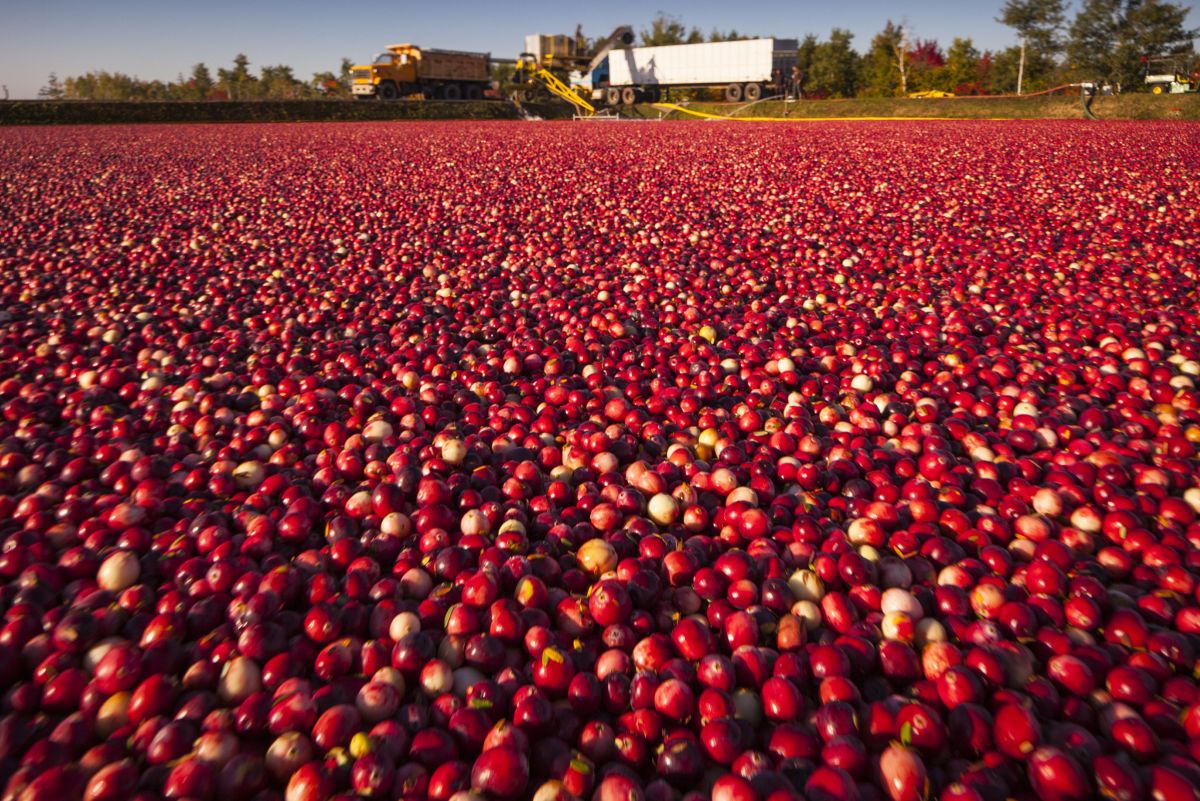
Image Credit: travelwisconsin
Every autumn, a striking scene appears across parts of North America. Quiet farm fields change into shining pools of red fruit. Cranberries float across the water. Growers in waterproof gear move through the beds. Machines gather the berries into neat lines. For a few short weeks, ordinary rural places look like landscapes from another world.
Advertisement
Advertisement
Wisconsin is the best-known place to see this change. It is the largest cranberry-producing state in the United States. But it is not alone. Massachusetts, New Jersey, Washington, Oregon, British Columbia, Québec and Ontario also offer cranberry harvest experiences. Each place tells a different story. Some focus on working farms. Some celebrate local food. Some mix the harvest with coastal drives, forests, historic villages or winery visits.
Why cranberry fields turn red in autumn
Cranberries do not grow under water. This is one of the biggest myths about the fruit. They grow on low vines in sandy beds. During harvest, growers flood the beds with water. They use machines to shake ripe berries loose from the vines. The berries have small air pockets inside them, so they float.
Advertisement
Advertisement
That is when the famous red scene appears. Thousands of ripe cranberries rise to the surface. Growers guide them together using booms. They then move the fruit from the water to trucks and processing plants.
The view lasts for a limited time. Harvest plans depend on berry ripeness, weather and farm work. A visitor may see a bright red field one day and a quiet drained bed the next. That short window is what makes cranberry travel special. It is a real working moment, not a permanent attraction.
Advertisement
Advertisement
Wisconsin leads the cranberry harvest journey
Wisconsin gives travellers the widest choice of cranberry harvest experiences. The state grows more than 60% of the United States cranberry crop. Its harvest normally begins in late September and continues through much of October.
Central Wisconsin is the main place for visitors. The Cranberry Highway stretches about 50 miles from Wisconsin Rapids to Warrens. It passes through cranberry country, small towns and old glacial landscapes. During harvest, the route gives travellers a chance to see red marshes beside yellow and orange autumn trees.
Warrens is a key stop. It is known as the Cranberry Capital of Wisconsin. At selected farms, visitors can join guided tours and learn why beds are flooded. Some experiences even allow guests to wear waders and stand among the floating berries. This makes the harvest feel close and real.
Wisconsin Rapids also offers farm-led harvest activities. Visitors can take wagon tours and see how cranberries move from the marsh to the next stage of the journey. In northern Wisconsin, Eagle River, Three Lakes and Manitowish Waters offer more chances to see working marshes. These areas bring together forests, lakes and cranberry beds. The result is a quieter autumn escape.
Cape Cod brings history to the harvest
Cape Cod in Massachusetts offers a different cranberry story. Here, cranberry farming has shaped the local landscape for generations. The region is known for its sandy soil, pine woods and historic bogs.
Harvest usually takes place from mid-September to early November. October is often the busiest period. Farm tours explain the life of the cranberry plant and show how growers manage the crop through the year. Visitors can see workers collecting floating berries and learn why water is only used at certain times.
Advertisement
Advertisement
Cape Cod is a strong choice for travellers who want more than a photograph. It offers a link between food, farming and local history. A cranberry tour can also fit easily into a wider coastal trip with beaches, villages, seafood and autumn walks.
New Jersey offers a cranberry and Pine Barrens escape
Whitesbog in New Jersey gives cranberry travel a heritage setting. It sits in the Pine Barrens, a large area of forests, sandy roads and wetlands. The historic village was once part of an important cranberry farm. It also has a major place in the story of commercial blueberries.
The cranberry harvest in South Jersey usually begins from mid to late September and moves into early October. Visitors can join walks, learn about cranberry growing, taste local products and explore a museum. They may also see activity at the working cranberry farm.
This is not a polished city event. It is a rural history trip. Whitesbog helps visitors understand the people behind the crop. It shows how a harvest shaped homes, jobs and small communities in the Pine Barrens.
Washington and Oregon add a coastal harvest mood
The Washington coast brings a different feeling to cranberry season. In Westport and Grayland, the Cranberry Harvest Festival celebrates a crop that has helped shape the local economy. Visitors can tour a working bog, enjoy a cranberry cook-off, eat at community events and watch a parade after dark.
The festival gives families a lively way to understand the harvest. It also creates a reason to explore the Pacific coast after summer crowds have faded. Cool air, sea views and red cranberry beds make the region feel fresh and unexpected.
Advertisement
Advertisement
Further south, Bandon in Oregon has built a long tradition around cranberries. Its annual Cranberry Festival began in 1947. The town’s event now includes a parade, food, markets, music and local contests. Bandon stands out because it connects cranberry farming with the rugged Oregon Coast. Travellers can pair the harvest story with beaches, sea stacks and small-town food stops.
Canada turns cranberry harvest into a hands-on adventure
Canada offers some of the most immersive cranberry harvest trips. In Langley, British Columbia, visitors can join guided harvest tours at a working farm. Some experiences allow people to wear waders and step into a field full of floating cranberries. This is one of the clearest ways to understand the scale of a wet harvest.
Fort Langley also celebrates the season with a cranberry festival. It adds food, history and family activities to the farm experience.
In Québec, Saint-Louis-de-Blandford becomes a sea of red fruit in early October. Guided wagon tours take visitors into cranberry country during the harvest period. The experience is especially attractive for travellers looking for a French-Canadian food and farm escape.
Bala in Ontario adds another layer. Here, cranberry marsh visits sit beside wine tasting, food and Muskoka autumn scenery. The Bala Cranberry Festival brings together craft stalls, local treats and cranberry experiences. It shows how a small red fruit can support a much bigger seasonal travel economy.
| Destination | Country | Harvest period | Main visitor experience | Key location or event | Best travel angle |
|---|---|---|---|---|---|
| Wisconsin | USA | Late September to much of October | Marsh tours, wagon rides, wader experiences, self-drive routes | Cranberry Highway, Warrens, Wisconsin Rapids, Eagle River | Largest US crop region and classic floating-cranberry landscapes |
| Cape Cod | USA | Mid-September to early November, mostly October | Guided bog tours and harvest viewing | Cape Cod cranberry farms | Historic cranberry country with coast, villages and food experiences |
| Whitesbog, New Jersey | USA | Mid-late September to early October | Harvest walks, tastings, museum visits and historic farm viewing | Whitesbog Village, Pine Barrens | Cranberry heritage, blueberry history and woodland escape |
| Westport and Grayland | USA | October | Working bog tours, cook-off, pancake breakfast and parade | Cranberry Harvest Festival, 10–11 October 2026 | Pacific coast harvest festival with strong community atmosphere |
| Bandon | USA | September harvest season | Festival, parade, local food, markets and farm heritage | Bandon Cranberry Festival | Oregon coast drive combined with cranberry culture |
| Langley | Canada | Late September to mid-October | Guided harvest tours and supervised wader access among floating berries | Riverside Cranberries, The Bog | Most hands-on cranberry photo and farm experience |
| Fort Langley | Canada | October | Cranberry-themed food, history and family festival | Fort Langley Cranberry Festival, 10 October 2026 | Heritage-site celebration near Vancouver |
| Saint-Louis-de-Blandford | Canada | 1–18 October 2026 | Guided wagon tours through flooded cranberry fields | Canneberge en fête | French-Canadian food tourism and vivid red field views |
| Bala | Canada | Late September to mid-October | Marsh tours, cranberry plunge, wine tasting and shopping | Bala Cranberry Festival, 16–18 October 2026 | Muskoka autumn scenery with wine and harvest activities |
| Pacific County | USA | October | Farm visits and educational crop tours | Cranberry Museum and research farm | Best for travellers curious about varieties, irrigation and farming science |
A short season worth planning for
Cranberry harvest travel works because it offers something leaf-peeping trips cannot always provide. It lets visitors see a living food system at work. The red water is beautiful, but it is also part of a serious agricultural process.
Advertisement
Advertisement
Travellers should always book official tours where needed. Most cranberry marshes are private working farms. Harvest dates can move with weather and farm schedules. Respecting these rules helps growers keep sharing their world with visitors.
For a few weeks each autumn, North America’s cranberry regions reveal a hidden side of rural travel. From Wisconsin’s wide marsh roads to Cape Cod bogs and Canadian cranberry fields, October turns the landscape red.
Advertisement
