

Australia, Fiji and More Initiate Digital Travel Transformation With SmartGates and ePassports: Will Physical Passports Become History?

Updated
Published
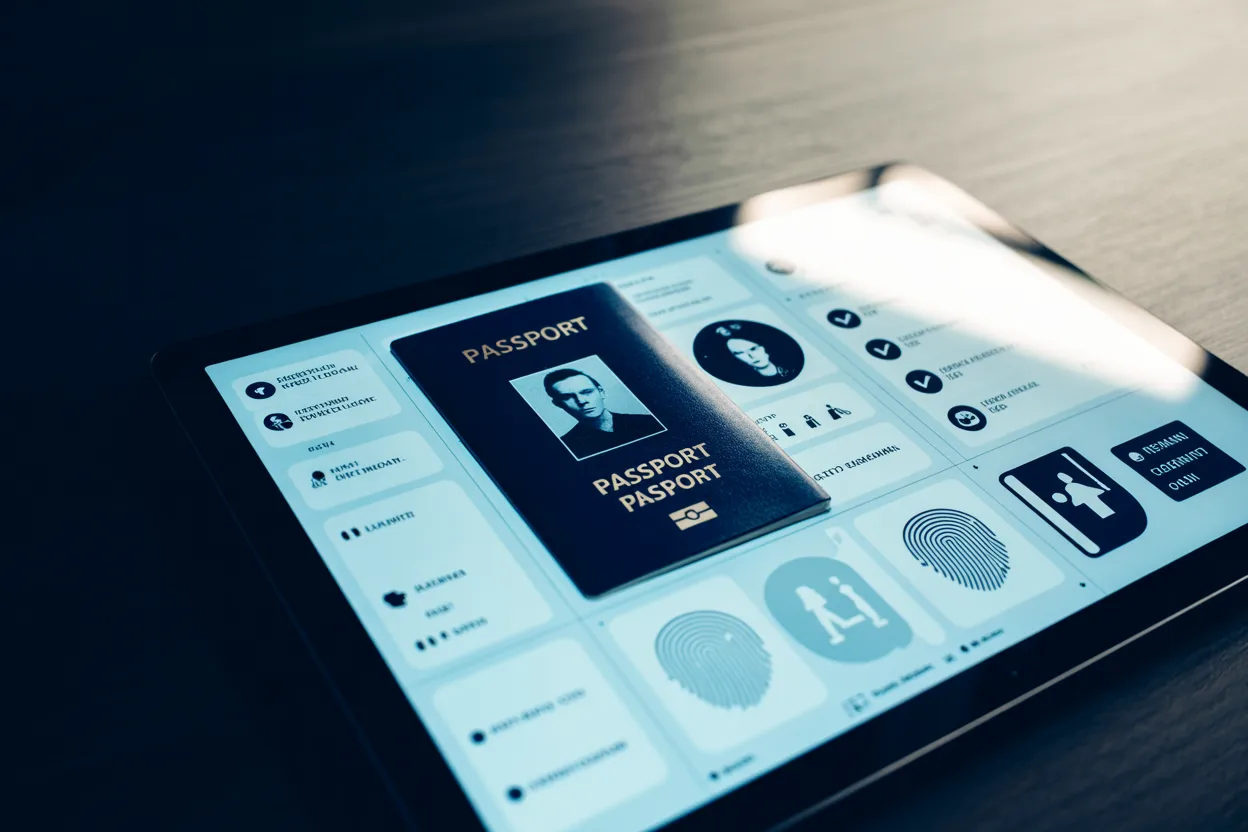
Australia, New Zealand, Fiji, Papua New Guinea, Solomon Islands, and Palau are accelerating Oceania’s transition toward digital airport travel through biometric identification, automated immigration gates, electronic arrival declarations, and modernized border management systems. While these developments could eventually support passport-free international journeys, travelers must still carry valid physical passports for international border crossings. Across the Pacific, governments are embracing facial recognition, biometric identity verification, and automated border systems.
Traditional immigration procedures are entering a new digital era. Travelers could soon experience faster arrivals, fewer paper forms, and more convenient journeys. However, physical passports remain mandatory for international crossings. From Sydney to Auckland and Nadi, technological innovation is reshaping passenger processing. These developments signal an ambitious regional shift that could redefine how millions of visitors navigate international borders.
Oceanian Countries Are Advancing Digital and Passport-Free Airport Travel
| Country | Digital aviation and border initiative | Implementation status in 2026 | Principal airport or travel connection | Physical passport still required? |
|---|---|---|---|---|
| Australia | SmartGates, facial recognition, Australia Travel Declaration (ATD) | SmartGates operational; ATD expanding nationally | Sydney, Melbourne, Brisbane, Perth, Adelaide and other international gateways | Yes |
| New Zealand | Biometric eGates, New Zealand Traveller Declaration, digital identity credentials | eGates operational; digital credential ecosystem developing | Auckland, Christchurch, Wellington, Queenstown | Yes |
| Fiji | Biometric ePassports, Australian SmartGate interoperability, API/PNR border modernisation | ePassports operational; passenger-data modernisation progressing | Nadi, Nausori and major Australian international airports | Yes |
| Papua New Guinea | PNG Digital Arrival Card, e-Border Solution, integrated border information systems | Digital arrival declaration operational and mandatory | Jacksons International Airport, Port Moresby | Yes |
| Samoa | Immigration document screening and conventional arrival declarations | Existing border procedures; no verified passenger-facing passport-free system | Faleolo International Airport | Yes |
| Vanuatu | Conventional passport controls; potential for future digital border development | No verified nationwide passport-free airport scheme | Bauerfield International Airport, Port Vila | Yes |
Why Are Australia and Other Oceanian Countries Moving Toward Digital Airport Travel?
International aviation across Oceania is undergoing a technological transition as governments seek more efficient ways to manage passenger arrivals, verify identities, and protect national borders. Traditional immigration procedures often require travelers to present passports, complete arrival declarations, and undergo document inspections before entering a country. Digital technologies are gradually changing how these procedures operate.
Australia, New Zealand, Fiji, Papua New Guinea, Solomon Islands, and Palau have introduced different forms of electronic border processing. Their initiatives include biometric verification, automated immigration clearance, digital traveler declarations, and electronically managed immigration applications.
Advertisement
Advertisement
These developments are particularly relevant to Oceania because international aviation connects countries separated by vast stretches of ocean. Airports therefore play an essential role in regional tourism, business travel, family visits, and international trade.
However, the region is not implementing a single passport-free travel system. Each government determines its own immigration requirements and digital infrastructure priorities.
Advertisement
Advertisement
The current transformation primarily focuses on reducing paperwork, improving identity verification, and strengthening border administration while retaining physical passport requirements.
How Is Australia Leading Oceania’s Digital Airport Transformation?
Australia is among the region’s most advanced countries in automated border processing, supported by established SmartGate facilities and the expanding Australia Travel Declaration program.
The Australian government announced A$56.1 million in funding over four years in July 2026 to modernize international traveler processing. The initiative includes expanding digital arrival declarations and improving the technological foundations of border management.
Australia’s digital declaration trial began in October 2024 on selected Qantas international services. By July 2026, more than 450,000 passengers had participated in the trial involving arrivals into Brisbane, Sydney, and Melbourne.
The government intends to introduce digital passenger declarations across all international airports and seaports before the end of 2027.
Meanwhile, SmartGates already allow eligible travelers to complete parts of immigration processing through automated identity checks.
Advertisement
Advertisement
These technologies can reduce reliance on manual document inspections and paper declarations. Nevertheless, Australia still requires international travelers to hold appropriate travel documents, including valid passports.
What Makes New Zealand a Major Contender in Future Passport-Free Aviation?
New Zealand has established a sophisticated airport border processing system that combines biometric technology with electronic traveler declarations.
Automated immigration gates operate at Auckland, Wellington, Christchurch, and Queenstown international airports. These facilities use facial recognition technology to compare passengers’ identities against information stored in their electronic passports.
Eligible travelers aged 10 and older can use the automated gates, subject to nationality, passport compatibility, and immigration requirements.
New Zealand has also implemented the New Zealand Traveller Declaration, which allows passengers to provide immigration, customs, and biosecurity information electronically.
The system reduces dependence on traditional paper arrival forms while enabling authorities to receive relevant information before travelers reach border checkpoints.
Advertisement
Advertisement
New Zealand is also exploring broader digital identity and credential technologies that may eventually support more integrated travel processes.
However, digital identity development should not be confused with the authorization to enter another country without a passport.
For now, biometric processing improves efficiency while physical passports remain essential.
How Is Fiji Strengthening Its Position in Pacific Digital Aviation?
Fiji is making important progress in electronic travel documentation and international border cooperation, particularly through its relationship with Australia.
In July 2025, the Fijian government confirmed that its biometric ePassports had become compatible with Australia’s SmartGate facilities.
This development allows eligible Fijian passport holders to use automated border processing when arriving in Australia, provided they satisfy the applicable entry requirements.
Advertisement
Advertisement
The improvement is significant for travel between Fiji and Australia, two countries connected by tourism, employment, education, and family relationships.
Fiji has also advanced plans involving Advance Passenger Information and Passenger Name Record systems. These technologies support the collection and analysis of relevant airline passenger information before arrival.
In December 2025, Fiji endorsed measures to strengthen these capabilities as part of broader border modernization.
The initiatives could improve traveler screening and administrative efficiency across international gateways, including Nadi International Airport.
However, Fiji has not established a general passport-free international travel program. Its progress currently centers on secure electronic passports and improved border management.
Why Is Papua New Guinea Introducing Mandatory Digital Arrival Procedures?
Papua New Guinea is modernizing its immigration operations through the introduction of electronic arrival declarations and integrated border management technology.
Advertisement
Advertisement
The country introduced its Digital Arrival Card on October 1, 2025, replacing elements of the traditional paper-based arrival process.
The government subsequently reinforced the mandatory requirement in August 2026, extending digital declaration procedures across relevant categories of arriving travelers.
Passengers can submit their arrival details electronically, allowing immigration authorities to collect information before travelers reach inspection counters.
The system forms part of Papua New Guinea’s broader e-Border Solution, which aims to improve coordination between immigration, customs, and quarantine agencies.
Port Moresby’s Jacksons International Airport is a major gateway where these improvements are particularly relevant.
Electronic declarations can help reduce repetitive paperwork and support more organized passenger processing.
Advertisement
Advertisement
However, the technology does not replace official identity documents or entry permissions.
International visitors must continue to comply with passport and visa requirements, making Papua New Guinea’s initiative an important administrative improvement rather than a fully passport-free border arrangement.
How Are Solomon Islands Modernizing Immigration and Airport Border Security?
Solomon Islands is advancing its immigration infrastructure through electronic border management, digital visa services, and online payment facilities.
The country’s Border Management System was installed in July 2024, establishing a technological foundation for more coordinated immigration administration.
An electronic visa system followed in October 2025, allowing relevant immigration applications to move toward digital channels.
Additional progress occurred in August 2026 with the introduction of an electronic payment gateway.
Advertisement
Advertisement
According to official government information published in October 2026, Australia provided approximately A$18 million in funding for the border management system.
These developments reflect a broader effort to improve administrative efficiency, strengthen border controls, and simplify immigration-related transactions.
Honiara International Airport is particularly important because it serves as the country’s principal international aviation gateway.
For visitors, electronic applications and improved immigration systems may eventually create a more convenient arrival experience.
However, Solomon Islands continues to operate conventional passport-based international entry requirements. Its modernization program does not currently provide general passport-free airport clearance.
What Is Palau Doing to Simplify Airport Entry Through Digital Technology?
Palau has introduced an electronic arrival declaration system that demonstrates how smaller Pacific tourism destinations can modernize border procedures without immediately adopting complex biometric infrastructure.
Advertisement
Advertisement
The country launched its online entry declaration in February 2024, allowing travelers to provide relevant arrival information before reaching the airport.
After completing the required information, passengers receive a QR code that can be presented during relevant travel and arrival procedures.
This approach reduces dependence on paper forms and allows border authorities to receive information electronically.
Palau International Airport, officially known as Roman Tmetuchl International Airport, serves as the country’s principal international aviation gateway.
The digital declaration system is particularly relevant to Palau’s tourism industry, which depends on international air connectivity.
By simplifying administrative procedures, electronic arrival declarations can contribute to a more organized travel experience.
Advertisement
Advertisement
Nevertheless, Palau’s system does not eliminate passport requirements. Visitors must still satisfy the country’s immigration rules and carry the necessary international travel documents.
Which Other Pacific Countries Could Benefit From Digital Border Modernization?
Beyond the region’s most developed digital border initiatives, several other Oceanian countries have opportunities to modernize aviation and immigration procedures.
Tonga has been advancing digital government infrastructure, including identity-related services and electronic administrative systems. Its National Single Window initiative, launched in May 2026, focuses on trade-related border processes rather than passport-free passenger entry.
Samoa, Vanuatu, Kiribati, the Federated States of Micronesia, the Marshall Islands, Nauru, and Tuvalu continue to rely on passport-based international travel requirements.
Their individual technological capabilities and implementation plans vary, and publicly verified information does not establish that these countries are preparing universal passport-free airport systems.
For smaller Pacific nations, future modernization could involve electronic visa applications, digital customs declarations, automated identity verification, and improved information sharing.
Advertisement
Advertisement
However, implementing such systems requires investment, technical expertise, reliable connectivity, and appropriate legal safeguards.
Regional cooperation may help smaller aviation markets adopt compatible technologies, but each country’s immigration authority ultimately determines which systems can operate within its borders.
How Could Biometric Identification and Digital Passports Transform International Airports?
Biometric technology represents one of the most significant developments in international border management because it allows governments to verify identities through physical characteristics.
Facial recognition systems compare a passenger’s live image with a trusted identity record, often obtained from an electronic passport.
Automated immigration gates can complete routine verification steps without requiring every eligible passenger to undergo the same manual procedures.
Digital Travel Credentials represent another potential development. These credentials are designed to provide secure digital representations of authenticated passport information.
Advertisement
Advertisement
International aviation organizations, including the International Civil Aviation Organization, have been examining standards and technological frameworks for digital identity verification.
However, a digital travel credential is not automatically equivalent to a legally recognized replacement for a passport.
Governments must establish appropriate systems for authentication, privacy, interoperability, and immigration compliance.
Successful implementation also requires cooperation among airlines, airports, border authorities, and technology providers.
Consequently, the transition toward passport-free international aviation is likely to be gradual, involving controlled trials and agreements before widespread adoption becomes possible.
What Are the Biggest Challenges Facing Passport-Free Airport Travel Across Oceania?
Despite its potential benefits, digital border modernization presents significant technological, regulatory, and operational challenges.
Advertisement
Advertisement
One major concern involves the secure handling of biometric information. Facial images and other identity data require strong protections against unauthorized access, misuse, and cyberattacks.
Different countries also operate separate immigration systems, creating difficulties when governments attempt to recognize digital credentials issued by foreign authorities.
Infrastructure presents another challenge. Large international airports may have greater financial and technical resources than smaller Pacific Island gateways.
Airlines must also ensure travelers hold documents accepted by destination countries. A digital airport processing system cannot independently override immigration legislation.
Accessibility is equally important. Some travelers may face difficulties using smartphone applications, biometric gates, or online declaration platforms.
Governments therefore need alternative procedures for passengers who cannot access automated services.
Advertisement
Advertisement
These considerations explain why passport-free aviation requires much more than installing facial recognition cameras. Reliable legal frameworks, technical compatibility, public confidence, and international cooperation remain essential.
How Will Digital Airport Processing Affect Tourism and International Travelers?
The growing adoption of digital border systems could produce substantial benefits for Oceania’s tourism economy.
International visitors frequently encounter several administrative steps before entering a destination, including immigration declarations, document inspections, and customs procedures.
Electronic systems can simplify these requirements by collecting information earlier and automating suitable verification processes.
For Australia and New Zealand, the benefits include more efficient management of eligible passenger flows at major airports.
Fiji could strengthen travel convenience through electronic passport compatibility and improved information exchange with international partners.
Advertisement
Advertisement
Papua New Guinea, Solomon Islands, and Palau may benefit from more organized arrival procedures and less dependence on paper documentation.
These improvements could be particularly valuable for Pacific destinations where international tourism supports accommodation, transportation, hospitality, and related services.
However, faster processing does not automatically guarantee shorter airport queues. Actual results depend on staffing, passenger volumes, technology performance, and airport operations.
The greatest long-term benefit may be a more predictable travel experience supported by accurate, securely managed passenger information.
What Should International Passengers Know Before Traveling Across Oceania in 2026?
Travelers planning journeys to Australia, New Zealand, Fiji, Papua New Guinea, Solomon Islands, Palau, and other Pacific destinations should understand the difference between digital immigration services and passport-free travel.
A biometric immigration gate may allow an eligible passenger to complete identity verification automatically, but it does not necessarily remove the requirement to carry a physical passport.
Advertisement
Advertisement
Similarly, electronic arrival declarations replace paperwork rather than official travel documents.
Passengers visiting Australia should check their eligibility for SmartGate processing and any applicable digital declaration arrangements.
Travelers entering New Zealand must complete the required Traveller Declaration and meet passport and visa conditions.
Visitors to Papua New Guinea should follow its mandatory Digital Arrival Card procedures before departure.
Passengers traveling to Palau should complete the country’s electronic entry declaration within the prescribed timeframe.
For Fiji and Solomon Islands, visitors should verify their entry eligibility and available electronic immigration services.
Advertisement
Advertisement
Checking official government requirements before travel remains essential, particularly because digital systems and eligibility conditions can change.
When Could Fully Passport-Free International Travel Become Reality Across Oceania?
Oceania’s digital border transformation indicates growing interest in travel systems that require fewer physical documents and less repetitive passenger processing.
Australia and New Zealand appear particularly well positioned to participate in future developments because they already operate extensive electronic passport and biometric infrastructure.
Fiji’s integration with Australian SmartGates demonstrates how compatible technology can improve border processing between countries without eliminating passports.
Meanwhile, Papua New Guinea, Solomon Islands, and Palau are developing electronic administrative systems that could support further innovation.
Nevertheless, no confirmed implementation date establishes when international travelers will be able to cross borders throughout Oceania without carrying physical passports.
Advertisement
Advertisement
Such a transition would require recognized digital identity standards, compatible national systems, secure data exchange, and clear legal authorization.
Some governments may first expand automated processing while retaining passports as backup documents.
Others may prioritize electronic declarations and border administration before introducing advanced biometric systems.
Therefore, Oceania’s passport-free future remains a long-term possibility rather than a confirmed regional travel arrangement.
What Does Oceania’s Digital Airport Transformation Mean for the Future of Global Travel?
Oceania’s shift toward digital airport processing represents a significant change in how governments manage international mobility.
Australia and New Zealand are demonstrating the practical value of biometric immigration gates and electronic traveler declarations. Fiji is improving passport interoperability and passenger screening, while Papua New Guinea, Solomon Islands, and Palau are strengthening electronic border administration.
Advertisement
Advertisement
Together, these initiatives illustrate how technological modernization can simplify airport procedures without weakening national entry requirements.
However, fully passport-free international travel will depend on broader cooperation, legal recognition, cybersecurity safeguards, and reliable infrastructure.
For now, travelers must continue carrying valid passports and complying with destination-specific immigration rules.
The region’s most important achievement is not the disappearance of passports, but the gradual creation of more connected, efficient, and secure border systems. As these technologies mature, Oceania could become an increasingly important testing ground for the next generation of international airport travel.
Oceania is accelerating digital transformation and reflects growing demand for efficient immigration procedures, stronger border security, and smoother international travel. Australia and New Zealand are advancing biometric processing, while Fiji, Papua New Guinea, Solomon Islands, and Palau are modernizing electronic border services. The reason is clear: traditional paperwork and manual verification create administrative challenges that technology can help address. Although these improvements represent significant progress, fully passport-free international journeys remain a future possibility rather than an established reality. Continued investment, international cooperation, and secure identity systems will determine whether Pacific airports eventually deliver seamless travel without requiring passengers to present physical passports.
Advertisement
