
UK Aviation to Thrive as Oman Air Enhances Europe-Middle East Network from Heathrow

Published
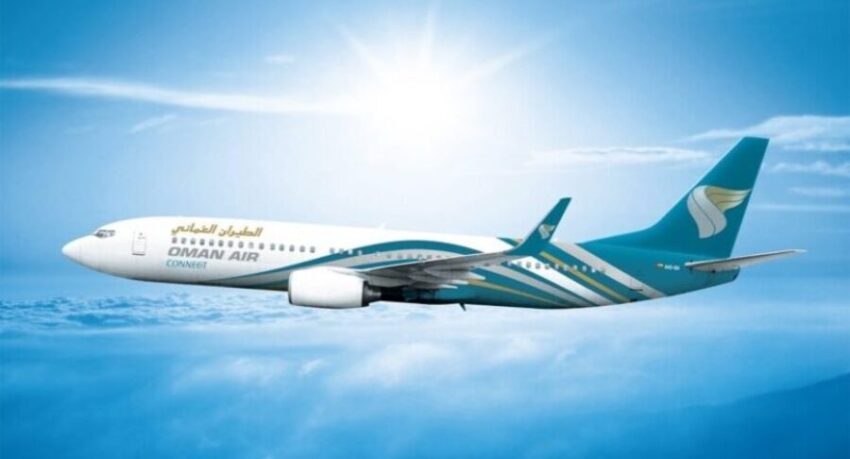 Image generated with Ai
Oman Air’s decision to expand its Muscat-London Heathrow service to 11 weekly flights this winter—and eventually return to a double-daily schedule in summer 2026—positions the UK to benefit from stronger air connectivity between Europe and the Middle East. As Heathrow remains a critical hub in this corridor, the move supports the growth of UK aviation by driving passenger traffic, enhancing global linkages, and capitalizing on Oman Air’s upcoming entry into the oneworld alliance, which will further integrate UK air travel into a broader international network.
London Heathrow Airport (LHR), known as Europe’s busiest international gateway, continues to play a central role in bridging air travel between Europe and the Middle East. In terms of flight volume to the region, Heathrow ranks fourth, surpassed only by Cairo, Istanbul, and Mumbai. This highlights its importance for long-haul connectivity. Capitalizing on this strategic position, Oman Air is set to strengthen its presence by expanding its Muscat-Heathrow service to 11 weekly flights during the winter 2025/2026 season, with plans to resume a full double-daily schedule by summer 2026—a return to its pre-pandemic peak.
Advertisement
Advertisement
Oman Air’s Strategic Expansion at Heathrow
Oman Air has announced a significant enhancement of its services between Muscat International Airport (MCT) and London Heathrow. Starting from October 26, 2025, the airline will operate 11 weekly flights on this route, marking a notable increase from its previous schedule. This expansion is a response to growing passenger demand and the strategic importance of the London-Muscat corridor. The airline’s commitment doesn’t stop there; plans are underway to further escalate the frequency to 14 weekly flights by the summer of 2026, reinstating the double-daily service last seen in 2020 .
Heathrow’s Role in Middle East Connectivity
Heathrow’s strategic location and extensive network make it a pivotal gateway for travelers between Europe and the Middle East. The airport facilitates numerous daily flights to key Middle Eastern destinations, including:
Advertisement
Advertisement
- Abu Dhabi: Five daily flights operated by British Airways and Etihad Airways.
- Amman is served twice daily through separate operations by both British Airways and Royal Jordanian.
- Bahrain is connected by three daily departures operated jointly by Gulf Air and British Airways.
- Beirut: Double daily services by Middle East Airlines.
- Doha: Up to 11 daily flights operated by British Airways and Qatar Airways.
- Dubai is served by 10 to 11 flights each day, operated by a mix of carriers including Emirates, British Airways, Virgin Atlantic, and Royal Brunei.
- Jeddah: Up to three daily flights by British Airways and Saudia.
- Kuwait: Up to double daily services by Kuwait Airways.
- Muscat: 11 weekly flights operated by Oman Air.MEA
- Riyadh: Four to five daily flights with British Airways, Saudia, and Virgin Atlantic.
- Tel Aviv: Up to five daily flights by British Airways, El Al, and Virgin Atlantic.
This extensive network underscores Heathrow’s critical role in facilitating air travel between Europe and the Middle East.
Implications for Passengers and the Aviation Industry
Oman Air’s decision to boost flights on the Muscat-Heathrow route unlocks numerous strategic benefits:
Advertisement
Advertisement
- Enhanced Connectivity: Passengers will have more options and flexibility when traveling between Oman and the UK, as well as onward connections to other destinations.
- Improved Scheduling: The additional flights provide better alignment with connecting flights, especially for travelers heading to North America and other parts of Europe.
- Strengthened Alliances: With Oman Air’s impending membership in the oneworld alliance, passengers can anticipate seamless connections and benefits across member airlines, including British Airways and American Airlines.
Heathrow’s Slot Constraints and Airline Strategies
Heathrow’s status as a highly congested and slot-constrained airport presents challenges for airlines aiming to expand their services. To navigate these constraints, airlines employ various strategies:
- Slot Leasing or Acquisition: Airlines may lease or acquire slots from other carriers to secure desirable departure and arrival times.
- Alternative Airports: Some airlines opt to operate from other London airports, such as Gatwick or Stansted, to bypass Heathrow’s limitations.
- Off-Peak Scheduling: Operating flights during less congested times can be a viable strategy, albeit with potential trade-offs in passenger convenience.
Oman Air’s expanded Heathrow schedule strengthens UK aviation by boosting Europe–Middle East connectivity and increasing passenger flow through the country’s busiest airport. With 11 weekly flights and oneworld alliance integration ahead, the UK is set to benefit from greater global reach and strategic air links.
Oman Air’s growth at Heathrow reflects its ability to overcome operational hurdles, maintaining strong service standards for its travelers.
Oman Air’s decision to increase its Muscat-Heathrow flights underscores the growing demand for travel between Europe and the Middle East. As Heathrow continues to serve as a central hub for such connections, passengers can look forward to enhanced travel options, improved connectivity, and the benefits of strengthened airline alliances. This development not only reinforces Heathrow’s status as Europe’s premier gateway to the Middle East but also highlights the dynamic
Advertisement
