
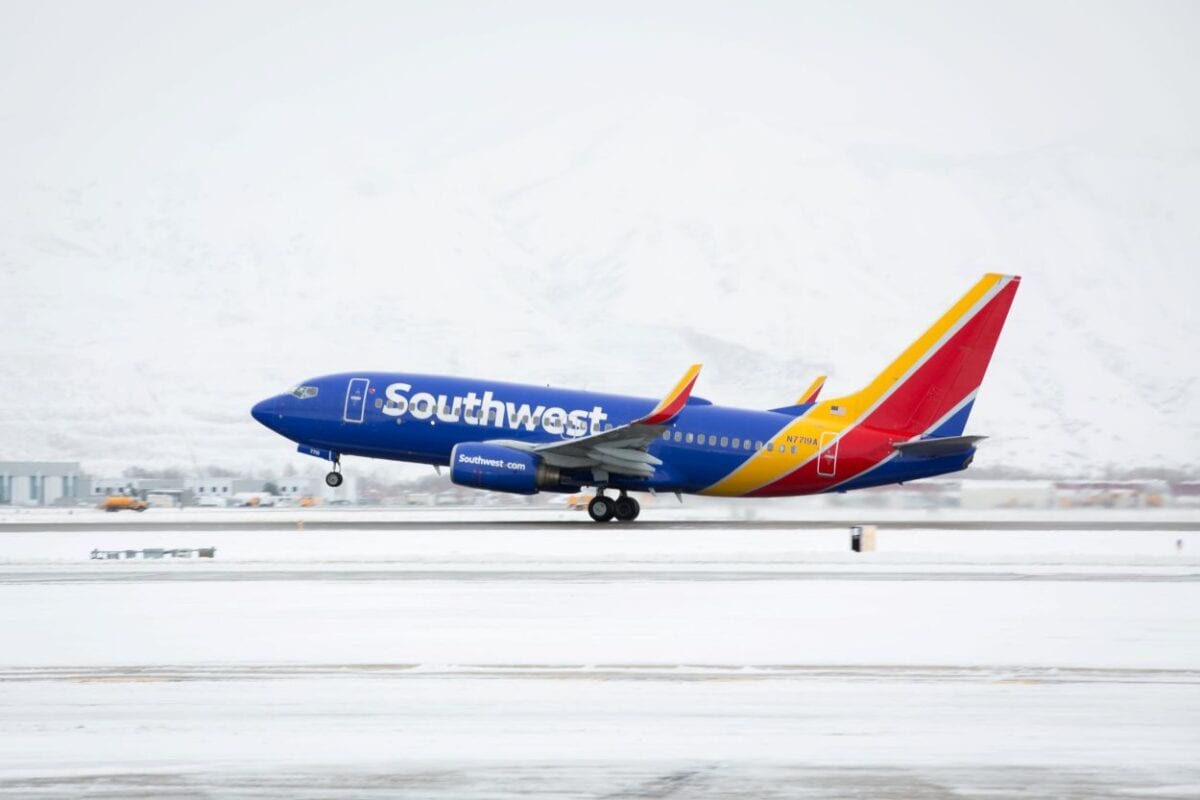
Image generated with Ai
Flight SWA1850 is a Boeing 737 MAX 8 from Chicago Midway to El Paso. On August 7th, it had to divert to Tucson International Airport, Arizona, from Midway due to disruption of the operation. The team needed the flight to land to handle the situation. The team is able to land the flight in order to handle the situation. The situation that caused the operational disruption has yet to be made known to the public. There have been past incidences of diversions of flights due to a myriad of reasons such as weather, medical emergencies, and air traffic control. There are a myriad of reasons that cause operational disruptions, and the diversion of SWA1850 is in line with the reasons of other diversions. The diversion of SWA1850 is significant in highlighting the operational reliability of the Southwest Boeing 737 MAX 8 flight across the United States.
Advertisement
Southwest Airlines Flight SWA603, operated by a Boeing 737 MAX 8, experienced an operational disruption while travelling from Chicago Midway International Airport (MDW) to El Paso International Airport (ELP) on 7 August.
The aircraft, registered as N8779Q, was scheduled to depart Chicago at approximately 4:45 PM and arrive in El Paso at 5:30 PM. However, available flight information shows that the aircraft reached El Paso at around 6:50 PM, resulting in a delay of approximately 80 minutes.
Advertisement
Advertisement
The exact reason behind the disruption has not been publicly confirmed by Southwest Airlines or aviation authorities.
Possible causes include weather conditions, air traffic management restrictions, aircraft operational requirements or other scheduling challenges.
Domestic flights across the United States are affected by multiple operational factors, including airport congestion, weather systems and aircraft availability.
The Boeing 737 MAX 8 remains one of Southwest’s key aircraft types, supporting the airline’s extensive domestic network.
Advertisement
Advertisement

Image generated with Ai
Several factors can influence the performance of a long domestic route such as Chicago to El Paso.
Weather remains one of the most common causes of aviation disruption, particularly during summer months when thunderstorms affect major US airports.
Possible weather-related challenges include:
Chicago Midway International Airport operates in one of the busiest aviation regions in the United States, where weather disruptions can quickly affect aircraft movements.
Air traffic congestion can also create delays when airlines must adjust departure times or flight paths.
Operational factors, including aircraft inspections, crew availability or scheduling changes, can also contribute to delays.
Although the flight experienced disruption, it successfully completed its journey to El Paso without a reported cancellation.

Image generated with Ai
Passengers travelling on Southwest Flight SWA603 experienced an extended journey after the Boeing 737 MAX 8 arrived later than originally planned.
The delay may have affected:
Because the aircraft continued to El Paso, passengers avoided the larger disruption associated with cancellations or major diversions.
Airlines generally provide updated information through mobile applications, airport announcements and customer service channels.
For travellers, checking real-time flight updates remains important when delays occur. Southwest Airlines operates a large domestic network, meaning operational adjustments are often managed through aircraft scheduling and crew coordination. The incident highlights how even routine domestic flights can experience unexpected changes due to the complex nature of commercial aviation operations.
The Boeing 737 MAX 8 plays a central role in Southwest Airlines’ fleet strategy. The aircraft provides efficiency, range capability and operational flexibility for domestic routes across the United States. The aircraft is particularly suitable for routes connecting major cities with regional destinations, including flights such as Chicago to El Paso. Southwest’s fleet structure is heavily based around Boeing 737 aircraft, allowing the airline to simplify operations, maintenance and crew training. The airline uses the aircraft across a wide range of routes, from short domestic sectors to longer cross-country services. Operational events involving these aircraft are closely monitored because they support thousands of daily passenger journeys. The Chicago-El Paso disruption demonstrates the importance of effective airline scheduling and operational management.
Modern airlines use extensive operational systems to manage delays, disruptions and schedule changes.
When a flight experiences an unexpected issue, airline teams evaluate:
The goal is to complete flights safely while reducing inconvenience for travellers.
Large airlines such as Southwest use network-wide resources to adjust operations when individual flights face delays. This may involve changing aircraft rotations, updating schedules or providing passenger support. The aviation industry accepts that disruptions can occur because flights operate within a constantly changing environment. Safety remains the primary priority during every operational decision.
On August 7th, Southwest Airlines Flight SWA1850, traveling from Chicago Midway to El Paso, was forced to land in Tucson, AZ, due to an unexpected operational disruption. The cause of the diversion is still unknown. However, there are established aviation procedures that allow avoidance of a route for safety, weather, or technical and operational reasons. The diversion was a 737 MAX 8 landing safely at Tucson International Airport, from where the Southwest Airlines teams could assist the customers and organize the aircraft operations. The significance of this event is that a safe and necessary diverted flight demonstrates the reliability of the aviation system. The diversion of Southwest Airlines Flight SWA1850 was made possible by the cooperation of the airport systems which allowed the airline to adapt to the unexpected situation.
Advertisement
Tags: Arizona, chicago midway international airport, el paso international airport, Illinois, Southwest Airlines network
Advertisement
Advertisement













Friday, September 4, 2026

Friday, September 4, 2026

Friday, September 4, 2026

Friday, September 4, 2026

Thursday, September 3, 2026

Wednesday, September 2, 2026

Friday, September 4, 2026

Friday, September 4, 2026


