
United Airlines Airbus A320 UAL2121 from Seattle to San Francisco Turnarounds and Makes Emergency Landing at SEA Airport: Latest Update is Here

Published
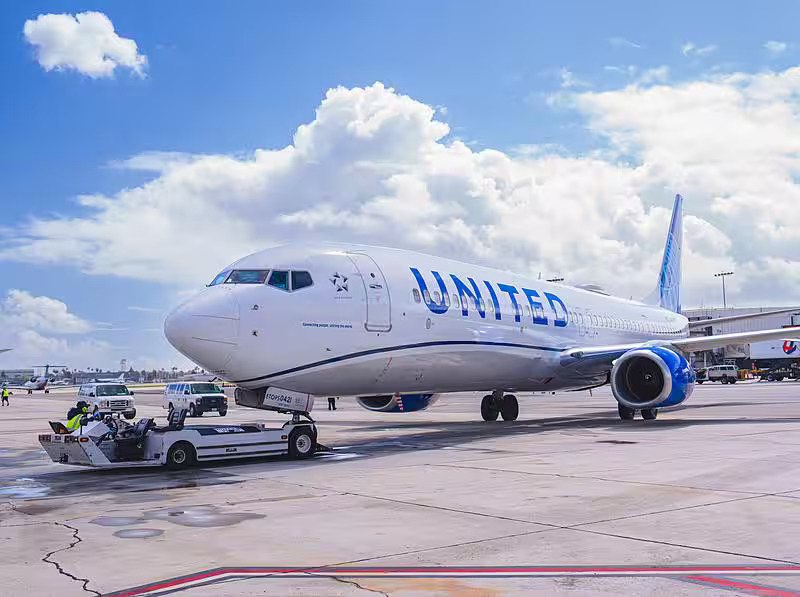
Image generated with Ai
United Airlines Airbus A320 UAL2121 from Seattle to San Francisco turnarounds and makes emergency landing at SEA Airport after an unexpected mid-air issue, triggering fresh safety concerns and major passenger disruption on the busy US West Coast route.
United Airlines Airbus A320 UAL2121 from Seattle to San Francisco turnarounds and makes emergency landing at SEA Airport after the aircraft reportedly encountered an unexpected operational issue shortly after departure, creating tense moments for passengers onboard and drawing immediate attention across the US aviation sector.
The Airbus A320, operating one of the busiest domestic air corridors in the United States, was forced to abandon its scheduled journey to San Francisco and safely return to Seattle–Tacoma International Airport as pilots prioritised passenger safety and precautionary procedures.
A United Airlines Airbus A320 operating between Seattle and San Francisco returned to Seattle–Tacoma International Airport on 15 May 2026 after diverting mid-flight, triggering fresh attention on precautionary airline diversions and operational safety protocols across the US aviation sector. The aircraft, registered as N432UA, was scheduled to operate the busy West Coast route before unexpectedly turning back to Seattle shortly after departure. While no injuries or emergency declarations were publicly confirmed, the diversion highlighted how airlines prioritise passenger safety, technical assessments and operational control during in-flight irregularities.
Advertisement
Advertisement
According to flight-tracking data from FlightRadar24 and aircraft records available through Aviation Safety Network, the aircraft safely landed back in Seattle. Neither the Federal Aviation Administration nor United Airlines had released a detailed operational statement regarding the incident at the time of reporting.
Why Did the United Airlines Airbus A320 Divert Back to Seattle?
The concise answer is that the exact operational reason has not yet been officially confirmed, although aviation data indicates the aircraft returned to Seattle as a precautionary operational decision shortly after departure toward San Francisco. Airlines frequently divert or return aircraft because of technical indications, system alerts, cabin concerns, weather complications or passenger-related incidents, and such actions are often taken before situations escalate into emergencies.
Advertisement
Advertisement
Flight-tracking records showed the Airbus A320 departed Seattle–Tacoma International Airport before reversing course and returning safely to the airport instead of continuing toward San Francisco International Airport.
The aircraft involved, registered as N432UA, remained under operational observation following the diversion, while no public emergency declaration was recorded through official aviation channels. Aviation analysts note that returning to the departure airport is often the safest and most efficient option because maintenance engineers, replacement aircraft and airline operational teams are immediately available there, allowing airlines to minimise broader disruption across their network.
Advertisement
Advertisement
The incident also reflects broader aviation industry safety culture standards, where even minor cockpit alerts or irregular technical readings can result in precautionary returns under strict airline safety management systems. According to guidance published by the Federal Aviation Administration, pilots are trained to prioritise preventive action over operational continuation whenever aircraft performance or onboard conditions require additional inspection.
How Common Are Aircraft Diversions Across Major US Domestic Routes?
The concise answer is that diversions remain relatively uncommon but are considered a normal part of modern aviation safety procedures, especially on heavily travelled domestic routes such as Seattle to San Francisco. Airlines operating dense schedules across the United States regularly manage precautionary returns and diversions without these incidents resulting in severe emergencies or passenger injuries.
Industry aviation experts explain that aircraft diversions happen for a wide range of reasons including weather disturbances, hydraulic alerts, engine indications, smoke odours, medical emergencies, bird strikes or air traffic management complications.
On major US corridors connecting cities such as Seattle, San Francisco, Los Angeles, Chicago and New York, airlines maintain extensive contingency systems designed to respond rapidly to unexpected operational developments while ensuring passenger safety remains the primary priority. According to operational safety information published by the International Air Transport Association, modern airline safety protocols encourage pilots to act conservatively whenever technical uncertainties emerge during flight operations.
Advertisement
Advertisement
The Seattle to San Francisco corridor is among the busiest aviation routes in the western United States, with multiple airlines operating continuous frequencies throughout the day using narrowbody aircraft such as the Airbus A320 and Boeing 737 families. Because of the route’s frequency and operational density, even precautionary diversions can draw attention across aviation monitoring networks and passenger tracking platforms. However, most diversions ultimately end safely with limited operational impact beyond delays and aircraft inspections.
What Does This Diversion Mean for Airline Safety and Passenger Confidence?
The concise answer is that the diversion reinforces how modern airlines prioritise preventive safety decisions, even when no immediate danger is publicly visible to passengers. Aviation experts widely regard precautionary returns as evidence that airline crews and operational teams are following established international safety standards rather than taking unnecessary risks during flight operations.
United Airlines, like other major global carriers, operates under highly regulated maintenance, inspection and flight safety frameworks monitored by the Federal Aviation Administration and international aviation authorities. When unusual technical readings or operational concerns emerge, pilots are authorised to return aircraft for inspection without waiting for situations to worsen.
Such decisions can temporarily inconvenience passengers, but they significantly reduce long-term operational risk and support broader aviation reliability standards across commercial airline networks.
The safe return of the Airbus A320 to Seattle also highlights the resilience of modern commercial aviation systems, where crews, air traffic controllers, engineers and airline operations centres work together in real time to manage unexpected developments. Although passengers often experience anxiety during diversions, aviation safety experts consistently emphasise that precautionary returns are designed specifically to prevent escalation and maintain maximum onboard safety throughout every phase of flight operations.
According to preliminary flight tracking data, the aircraft reversed course mid-air before making a controlled landing at SEA Airport, where emergency response teams remained on standby as part of standard aviation protocol.
Advertisement
Advertisement
Although United Airlines has not yet confirmed the precise cause behind the incident, aviation experts note that emergency landings are often triggered by technical warnings, cockpit alerts, mechanical irregularities or onboard operational concerns requiring immediate inspection.
Meanwhile, passengers experienced delays and uncertainty as airline crews coordinated ground response measures and aircraft assessments. The latest update confirms the United Airlines Airbus A320 UAL2121 safely landed at SEA Airport without publicly reported injuries, while investigations and maintenance evaluations continue.
The United Airlines Airbus A320 UAL2121 from Seattle to San Francisco turnaround and emergency landing at SEA Airport once again highlights how modern aviation safety systems are designed to respond rapidly whenever operational concerns emerge mid-flight. The cause behind the incident has not yet been officially confirmed, but the answer appears linked to precautionary safety protocols and possible technical or operational irregularities detected during the journey. The reason pilots chose to return to Seattle instead of continuing to San Francisco reflects standard airline safety procedures prioritising passenger protection above schedule continuity. Ultimately, the aircraft landed safely, preventing escalation and ensuring passenger safety remained fully protected.
Advertisement
