
Germany’s Heligoland Island Reveals North Sea Beauty With Red Cliffs, Seals And Hidden Coastal Wonders: What All You Need To Know

Published
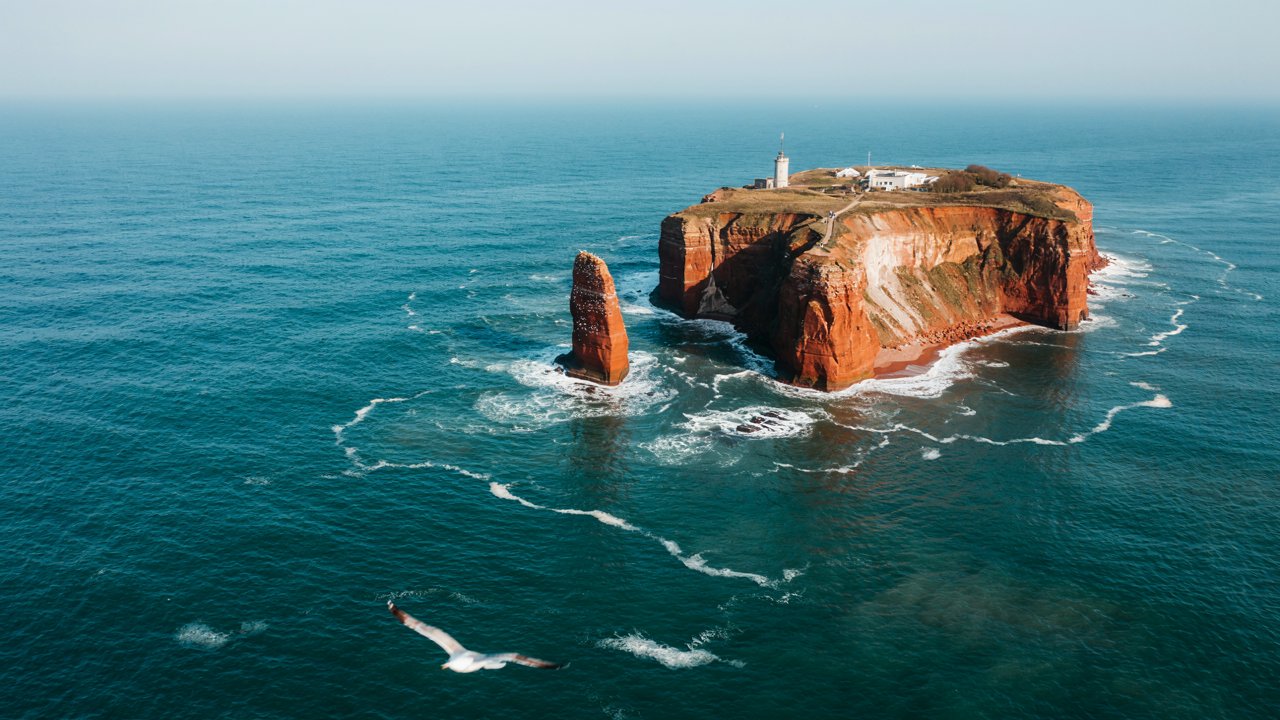
Located far out in the North Sea, Heligoland Island offers travellers a rare combination of dramatic coastal scenery, maritime history, wildlife encounters and peaceful island living. Known locally as Helgoland, this small German archipelago has developed into one of the country’s most distinctive coastal destinations, attracting visitors searching for nature, culture and an authentic North Sea experience.
Unlike Germany’s larger holiday islands, Heligoland creates a different atmosphere. There are no crowded highways, no large-scale urban developments and no traditional beach-resort character. Instead, visitors discover towering red sandstone cliffs, protected bird habitats, seal colonies, ocean landscapes and centuries of fascinating history.
Advertisement
Advertisement
The island’s unique location in the German Bight makes it one of the most isolated inhabited islands belonging to Germany. Positioned approximately 60–70 kilometres from the mainland coast, Heligoland provides travellers with the feeling of stepping into a remote maritime world while remaining connected to major German travel routes.
Heligoland Island Germany Emerges As A Unique North Sea Escape
Heligoland is made up of two main areas: the rocky main island and the nearby sandy island of Düne. Together, they create a destination where dramatic cliffs meet beaches, wildlife areas and historic landmarks.
Advertisement
Advertisement
The main island is famous for its elevated landscape, divided into areas traditionally known as Oberland (Upper Land) and Unterland (Lower Land). The higher sections provide panoramic views across the North Sea, while the lower areas contain the harbour, shops, restaurants and visitor facilities.
The island’s most recognisable natural landmark is Lange Anna, a tall red sandstone sea stack rising dramatically from the water. This geological formation has become a symbol of Heligoland and represents the powerful forces of wind, waves and coastal erosion that have shaped the island over thousands of years.
Advertisement
Advertisement
Key Facts About Heligoland Island
| Category | Details |
|---|---|
| Country | Germany |
| State | Schleswig-Holstein |
| Location | North Sea, German Bight |
| Main Island Name | Helgoland |
| Nearby Island | Düne |
| Famous Landmark | Lange Anna sea stack |
| Main Attractions | Cliffs, wildlife, maritime history |
| Travel Style | Nature tourism, island holidays, wildlife experiences |
The island’s small size adds to its charm. Travellers can explore much of Heligoland on foot, enjoying peaceful coastal paths, ocean viewpoints and quiet streets away from mainland crowds.
Why Heligoland’s Red Cliffs Have Become A Global Travel Attraction
The red sandstone cliffs of Heligoland are among the most striking coastal landscapes in Germany. Rising above the North Sea, these cliffs create a dramatic backdrop that attracts photographers, nature lovers and travellers seeking unusual European landscapes.
The island’s geology is different from many other German coastal destinations. Instead of wide sandy beaches dominating the landscape, Heligoland offers steep cliffs, rocky shorelines and powerful views of the open sea.
The most famous viewpoint is around Lange Anna, where visitors can observe one of Germany’s most photographed natural formations. The sea stack stands as a reminder of the island’s changing coastline and the continuous impact of marine erosion.
The landscape also gives Heligoland a special atmosphere throughout the year. Summer brings clear views and longer days, while autumn and winter transform the island into a dramatic North Sea retreat with powerful winds, waves and atmospheric coastal scenery.
Heligoland Wildlife Tourism Brings Travellers Close To Seals And Rare Birds
Beyond its landscapes, Heligoland has become increasingly popular among wildlife travellers. The island and surrounding waters support important marine and bird habitats, making it a valuable destination for eco-tourism.
Advertisement
Advertisement
The nearby island of Düne is particularly famous for its seal colonies. During different seasons, visitors can observe grey seals resting on the beaches while maintaining a safe distance from these protected animals.
Seal watching has become one of Heligoland’s signature tourism experiences because it combines adventure with responsible wildlife observation. Travellers can enjoy seeing marine animals in their natural environment rather than in controlled attractions.
The island is also an important location for birdwatching. Positioned along major migration routes in the North Sea, Heligoland attracts numerous migratory birds throughout the year. Researchers and bird enthusiasts visit the island to observe rare species and seasonal movements.
Wildlife Experiences In Heligoland
| Experience | Location | Best Time |
|---|---|---|
| Seal watching | Düne island beaches | Spring and summer months |
| Birdwatching | Cliffs and nature areas | Migration seasons |
| Coastal photography | Lange Anna and cliff viewpoints | Year-round |
| Marine observation | Harbour and coastal paths | All seasons |
For nature-focused travellers, Heligoland offers a rare opportunity to combine island exploration with wildlife discovery.
A Journey Through Heligoland’s Remarkable History
Heligoland’s identity has been shaped by centuries of political changes and maritime importance. The island has experienced different periods of influence, including Danish and British administration before becoming part of Germany.
Its location in the North Sea made Heligoland strategically significant for naval activities and coastal defence. During the 20th century, the island experienced major military developments before transitioning towards tourism and conservation.
Advertisement
Advertisement
After the Second World War, Heligoland underwent significant transformation. The island was affected by wartime destruction and later returned to German administration in the early 1950s. Today, much of its identity focuses on tourism, nature protection and preserving its maritime heritage.
This history gives visitors more than scenic views. Exploring Heligoland means discovering an island where geography, politics and culture have interacted for generations.
Exploring Düne Island The Sandy Side Of Heligoland
While the main island is famous for cliffs, Düne offers a completely different experience. Located close to Heligoland, this smaller island provides sandy beaches, open landscapes and opportunities for wildlife encounters.
Düne is popular among travellers who want a traditional seaside experience. Visitors can enjoy coastal walks, relaxing beach time and views of seals along the shoreline.
The contrast between the two islands creates a unique travel experience:
| Main Island | Düne Island |
|---|---|
| Red cliffs | Sandy beaches |
| Historic buildings | Natural landscapes |
| Harbour atmosphere | Wildlife areas |
| Shopping and dining | Quiet coastal relaxation |
Together, Heligoland and Düne offer two different sides of North Sea tourism within a short distance.
Advertisement
Advertisement
How Travellers Can Experience Heligoland From Germany’s Mainland
Although Heligoland feels remote, the island is accessible through ferry connections from several German coastal locations, including ports such as Cuxhaven and other North Sea departure points.
Many travellers combine a Heligoland visit with trips to northern Germany, including Hamburg and the Schleswig-Holstein coastal region.
Popular Travel Connections
| Starting Point | Travel Option |
|---|---|
| Cuxhaven | Ferry connection |
| Hamburg region | Seasonal ferry services |
| North German coast | Maritime connections |
The journey itself becomes part of the experience. Travelling across the North Sea allows visitors to enjoy ocean views before arriving at the island harbour.
Heligoland Food Culture Adds Another Layer To The Island Experience
A visit to Heligoland is not complete without exploring its maritime cuisine. The island’s restaurants reflect its relationship with the sea, offering seafood-focused dishes and regional specialities.
Fresh fish, lobster dishes and traditional North German meals are among the popular choices for visitors.
The island’s food culture connects tourism with local traditions, allowing travellers to experience Heligoland beyond sightseeing.
Advertisement
Advertisement
Dining beside the North Sea creates a memorable part of the journey, especially after exploring cliffs, beaches and wildlife locations.
Sustainable Tourism Is Shaping Heligoland’s Future
Heligoland’s tourism model depends heavily on protecting its natural environment. The island’s appeal comes from its landscapes and wildlife, making conservation an important part of its long-term development.
Nature protection measures help maintain habitats for seals, birds and marine ecosystems while allowing visitors to enjoy responsible tourism experiences.
The destination represents a growing trend in European travel where smaller islands attract visitors through authenticity, environmental awareness and unique experiences rather than mass tourism.
Best Time To Visit Heligoland Island Germany
Heligoland can be visited throughout the year, with each season offering a different experience.
| Season | Experience |
|---|---|
| Spring | Bird migration and fresh landscapes |
| Summer | Outdoor activities, beaches and wildlife |
| Autumn | Dramatic coastal scenery and fewer crowds |
| Winter | Stormy North Sea atmosphere and peaceful escapes |
Summer remains the most popular period, but travellers seeking tranquillity may enjoy the quieter months when the island reveals a more dramatic side.
Advertisement
Advertisement
Frequently Asked Questions
1. Why is Heligoland famous in Germany?
Heligoland is famous for its red sandstone cliffs, Lange Anna sea stack, North Sea location, wildlife experiences and unique maritime history.
2. Is Heligoland worth visiting for international travellers?
Yes. The island offers a different side of Germany with coastal landscapes, wildlife, history and peaceful island experiences.
3. Can visitors see seals in Heligoland?
Yes. The nearby Düne island is known for seal colonies where visitors can observe these animals responsibly.
4. How long should travellers spend in Heligoland?
A day trip allows visitors to see major attractions, but staying overnight provides more time to explore nature, history and local culture.
5. What makes Heligoland different from other German islands?
Unlike larger German islands focused mainly on beaches and resorts, Heligoland combines dramatic cliffs, wildlife habitats, maritime heritage and remote island scenery.
6. Is Heligoland suitable for nature lovers?
Yes. Birdwatching, coastal walks, seal observation and scenic viewpoints make it especially attractive for nature-focused travellers.
Advertisement
Advertisement
7. What is the best attraction on Heligoland?
Lange Anna is the island’s most iconic landmark, offering one of the most recognisable coastal views in Germany.
Final Thoughts
Heligoland represents a different vision of German travel. It is not defined by crowded attractions or traditional resort tourism. Instead, it offers a rare combination of wild landscapes, marine life, history and peaceful island experiences.
For travellers searching for an unforgettable North Sea destination, Heligoland provides a remarkable journey where dramatic cliffs, ocean views and natural wonders create a unique European escape.
Advertisement
