
United Express Flight UA6321Embraer E175 from Washington Dulles to Savannah Makes Sudden Emergency Landing After Turning Around Due to Suspected Technical Issue, No Injuries Reported Till Now

Published
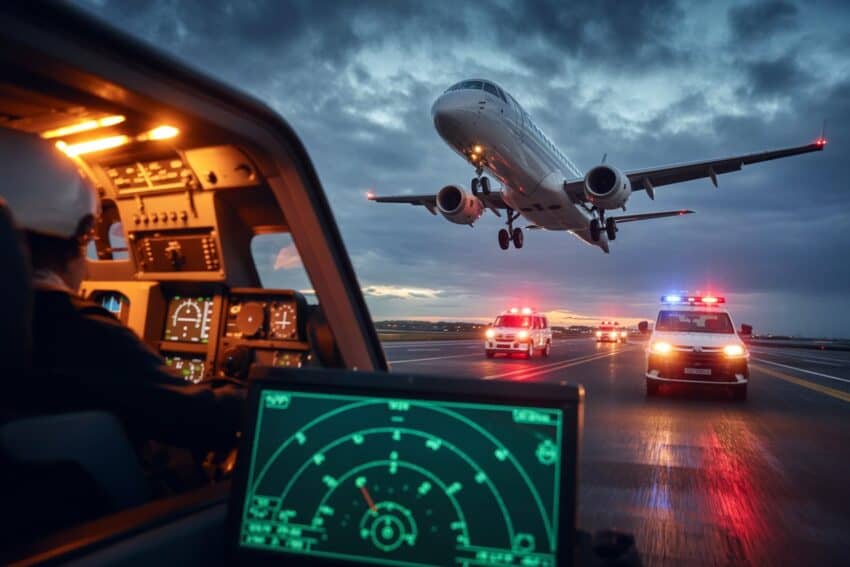
Image generated with Ai
United Express Flight UA6321 Embraer E175 from Washington Dulles to Savannah makes sudden emergency landing. United Express Flight UA6321 Embraer E175 turns around fast. United Express Flight UA6321 Embraer E175 faces suspected technical issue. Therefore tension rises quickly. However no injuries reported till now. Meanwhile passengers remain alert. Consequently emergency landing becomes necessary. Moreover aviation safety systems respond instantly. Then aircraft descends rapidly. United Express Flight UA6321 Embraer E175 repeats across headlines. United Express Flight UA6321 Embraer E175 dominates updates. Travel And Tour World urges readers strongly. Read entire story now. Understand cause. Know answer. Discover reason.
United Express flight UA6321 declared an emergency mid-flight after reaching 23,000 feet and safely returned to Washington Dulles due to a suspected technical issue, with no injuries reported and investigations ongoing.
United Flight UA6321 emergency declared mid-air. United Flight UA6321 emergency turns back Washington. United Flight UA6321 emergency raises fear. Therefore tension builds quickly. However safety systems respond instantly. Meanwhile passengers face uncertainty. Consequently aviation protocols activate fast. Moreover emergency code alerts controllers. Then aircraft descends rapidly. United Flight UA6321 emergency repeats across channels. United Flight UA6321 emergency dominates headlines. Travel And Tour World urges readers strongly. Read full story now. Understand cause. Know answer. Discover reason. Stay informed. Stay alert. Stay ahead. Because this United Flight UA6321 emergency matters globally today.
Advertisement
Advertisement
What exactly happened to United Flight UA6321 mid-air?
United Express flight UA6321 experienced a serious mid-air disruption shortly after departing Washington Dulles International Airport. The aircraft, an Embraer E175, was climbing steadily as expected during the initial phase of its journey. Everything appeared normal until the jet reached approximately 23,000 feet. At that point, the crew made a sudden and deliberate decision to halt further ascent. This is a critical moment in aviation operations. Pilots only stop climbing when something unusual or unsafe occurs. The crew then communicated directly with air traffic control. They reported an onboard emergency. This triggered immediate procedural changes. Airspace priority was granted. The aircraft began preparations for a return. The situation developed rapidly. Yet it remained controlled.
Why did the pilots declare an emergency using Squawk 7700?
The flight crew activated Squawk 7700, a universally recognised emergency signal in aviation. This code is reserved for serious situations that require immediate attention. It informs all nearby controllers and aircraft that priority handling is necessary. This is not done lightly. Pilots are trained to use it only when required. The decision suggests the crew identified a potential risk that could escalate. Squawk 7700 ensures faster coordination. It clears traffic around the aircraft. It allows for a direct route back to safety. Importantly, it also triggers ground emergency readiness. While the exact issue remains undisclosed, the use of this code indicates a significant concern. However, it also shows the crew acted decisively and correctly.
Advertisement
Advertisement
Was the aircraft facing a technical or mechanical failure?
While officials have not confirmed the exact cause, early indicators strongly point toward a technical or mechanical issue. Aviation protocols dictate that any irregular system behaviour must be treated seriously. Even minor anomalies can escalate at altitude. The decision to stop climbing is particularly telling. Aircraft are most efficient during ascent phases. Interrupting that process usually signals a detected fault. Possibilities include engine irregularities, cabin pressure issues, or system alerts. However, there is no evidence of catastrophic failure. The aircraft remained fully controllable throughout. This suggests the issue was manageable but required inspection. Safety always takes precedence. Returning to the departure airport is often the safest option. It ensures immediate access to maintenance and support teams.
How did the aircraft return safely to Washington Dulles?
After declaring the emergency, the aircraft initiated a controlled descent. This process is carefully managed to ensure passenger safety and aircraft stability. The pilots coordinated continuously with air traffic control. They received priority routing. This allowed them to avoid congestion and maintain a direct path. The descent was described as rapid but controlled. Such descents are standard in emergency scenarios. The aircraft then aligned for approach into Washington Dulles. Emergency services were already on standby. This is a precautionary measure. Fire crews and medical teams prepare for worst-case scenarios. Fortunately, the landing proceeded without complications. The aircraft touched down approximately 45 minutes after take-off. This quick turnaround highlights efficient decision-making and strong coordination.
Advertisement
Advertisement
What was the role of emergency ground crews during the incident?
Emergency ground crews play a crucial role in aviation incidents. Once Squawk 7700 is detected, airport authorities activate emergency protocols immediately. At Washington Dulles, fire and rescue units were positioned along the runway. Medical teams were also alerted. Their presence ensures rapid response if needed. In this case, the landing was uneventful. However, readiness is essential. Crews are trained for multiple scenarios. These include fire outbreaks, landing gear failures, or passenger medical emergencies. Their presence also reassures passengers and crew. It reflects the aviation industry’s commitment to safety. Even when no incident occurs upon landing, the preparedness itself is a critical success factor. It demonstrates system reliability and coordinated response.
How are passengers typically affected during such emergencies?
Passengers on board likely experienced anxiety and uncertainty. Emergency announcements can create immediate concern. However, flight crews are trained to manage passenger communication carefully. Clear instructions help maintain calm. Cabin crew play a vital role. They monitor passenger reactions. They ensure compliance with safety procedures. In many cases, passengers may not know the full details until after landing. This is intentional. It prevents panic. Physically, passengers are usually safe if procedures are followed. After landing, airlines typically provide assistance. This includes rebooking, accommodation, or compensation depending on the situation. Psychological impact varies. Some passengers may feel shaken. Others remain calm. Overall, safety outcomes are prioritised above all else.
What happens next in the investigation of such incidents?
Following any emergency return, a detailed investigation is initiated. Airlines work closely with aviation authorities. Maintenance teams inspect the aircraft thoroughly. Flight data recorders may be analysed. Cockpit voice recordings provide additional insights. Engineers check all critical systems. The goal is to identify the root cause. Even minor faults are documented. Regulatory bodies ensure compliance with safety standards. Findings are often used to improve procedures. They may lead to technical updates or training adjustments. Transparency is important. However, investigations can take time. Airlines typically release official statements once facts are confirmed. Until then, preliminary reports remain cautious. This ensures accuracy and avoids speculation.
The United Flight UA6321 emergency was likely caused by a technical irregularity detected mid-flight. The answer lies in the crew’s swift decision-making and strict adherence to safety protocols. The reason for the safe outcome was effective coordination between pilots, air traffic control, and ground crews. No injuries were reported. The aircraft landed safely. This reinforces the reliability of aviation systems. Emergencies are rare but managed efficiently. The incident highlights preparedness, not failure. Passengers were protected. Procedures worked. The system responded. Aviation safety remained intact. The investigation will confirm details. Until then, this event stands as a controlled and successful emergency response.
The cause of the United Express Flight UA6321 Embraer E175 emergency landing appears linked to a suspected technical issue detected during climb. The answer lies in the crew’s immediate decision to turn around and prioritise safety above schedule. The reason the situation ended without injuries is due to strict aviation protocols, rapid coordination with air traffic control, and a controlled descent back to Washington Dulles. Every system worked as designed. The aircraft landed safely. Passengers remained unharmed. Investigations will confirm details. Until then, this incident reflects preparedness, precision, and the effectiveness of modern aviation safety measures.
Advertisement
