
Vermont Teams Up With Ohio, Washington, Idaho and Other States in Reviving US Tourism with a Strong Bounce Back in Tourist Arrivals Over the Last Three Consecutive Months Following a Sharp Decline in the First Quarter of 2026

Published
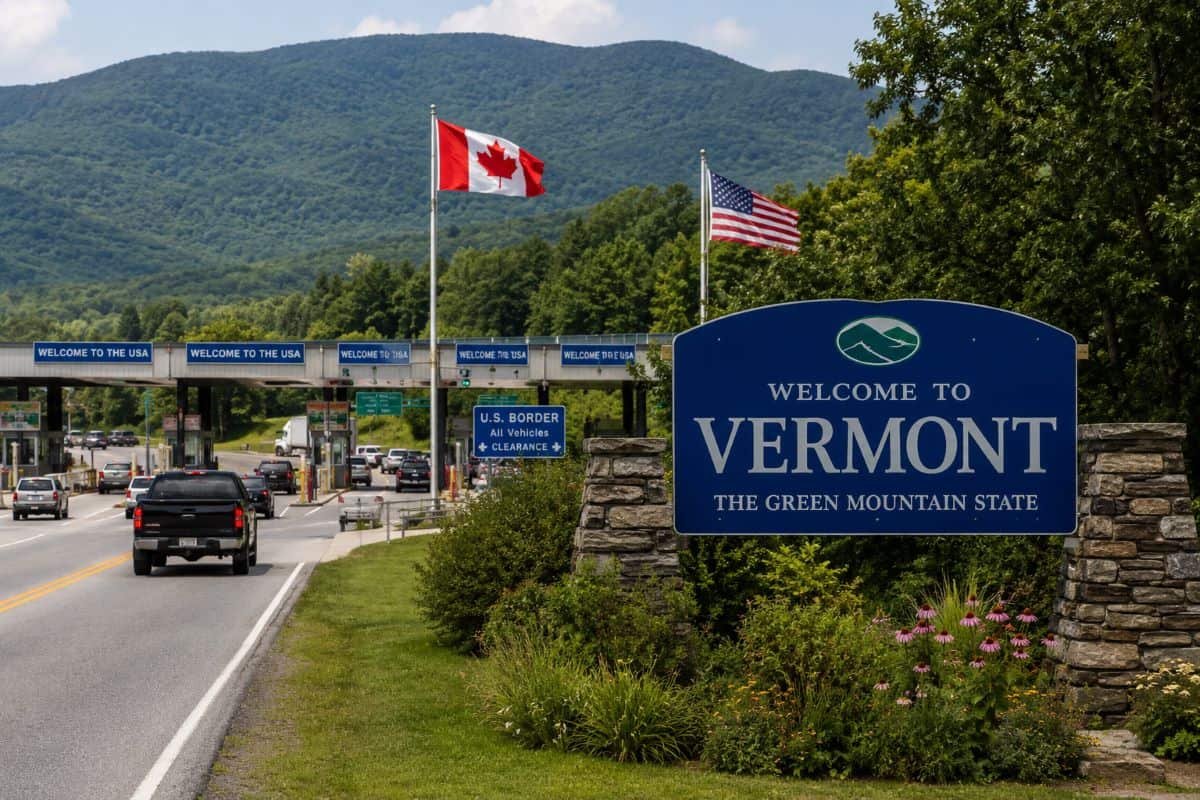
Image generated with Ai
Vermont teams up with Ohio, Washington, Idaho and other states in reviving US tourism with a strong bounce back in tourist arrivals over the last three consecutive months following a sharp decline in the first quarter of 2026, driven by warmer weather, outdoor recreation, road trips, festivals and rising domestic travel demand.
Vermont’s Scenic Mountains and Outdoor Escapes Help Drive a Strong Tourism Rebound After a Slow Start to 2026
Vermont has emerged as one of the strongest tourism recovery stories in the northeastern United States after a difficult first quarter. The state, renowned for the Green Mountains, Stowe, Burlington, Lake Champlain, fall foliage and year-round outdoor recreation, initially recorded year-on-year declines in road arrivals during January, February and March. However, the trend shifted decisively in the second quarter as warmer weather, hiking, cycling, lake tourism and weekend getaways encouraged more domestic travel. Vehicle arrivals carrying Vermont licence plates rose 11.1% in April and 18.2% in May, with June projected to continue the recovery. With approximately 868,000 vehicle arrivals during the first half of 2026, Vermont’s tourism sector appears to be benefiting from growing demand for nature-based holidays and short-distance road trips.
Advertisement
Advertisement
| Month | 2026 | 2025 | YoY Change |
|---|---|---|---|
| January | 132K | 148K | -10.8% |
| February | 129K | 133K | -3.0% |
| March | 135K | 140K | -3.6% |
| April | 140K | 126K | +11.1% |
| May | 162K | 137K | +18.2% |
| June (Projected) | ~170K | ~143K | ~+18.9% |
| Total (Jan–Jun) | ~868K | — | — |
Ohio Rebounds as Major Cities, Sports Tourism and Road Trips Restore Visitor Confidence
Ohio’s tourism industry regained momentum during the second quarter after experiencing modest declines early in the year. Home to Cleveland, Columbus, Cincinnati, Cedar Point, the Rock & Roll Hall of Fame and a busy calendar of sporting and cultural events, the state continues attracting millions of domestic visitors annually. After year-on-year declines during the first quarter, road arrivals recovered sharply, increasing 21.6% in April and 13.8% in May, with June projected to post another healthy gain. Approximately 128,200 vehicle arrivals were recorded during the first half of 2026, suggesting stronger domestic mobility as warmer weather, family holidays and regional events encouraged more Americans to travel by road throughout the Midwest.
| Month | 2026 | 2025 | YoY Change |
|---|---|---|---|
| January | 16.6K | 16.9K | -1.8% |
| February | 14.4K | 14.7K | -2.0% |
| March | 25.4K | 26.2K | -3.1% |
| April | 24.2K | 19.9K | +21.6% |
| May | 23.1K | 20.3K | +13.8% |
| June (Projected) | ~24.5K | ~21.0K | ~+16.7% |
| Total (Jan–Jun) | ~128.2K | — | — |
Washington’s National Parks, Coastline and Outdoor Adventures Spark a Powerful Tourism Comeback
Washington witnessed a strong second-quarter recovery after weaker road travel during the opening months of 2026. The state remains one of America’s premier outdoor tourism destinations, drawing visitors to Seattle, Mount Rainier National Park, Olympic National Park, North Cascades National Park, Puget Sound and the San Juan Islands. Following year-on-year declines throughout the first quarter, road arrivals turned positive in April and May before another increase is projected for June. More than 5.56 million vehicle arrivals are expected during the first half of the year, making Washington one of the country’s largest road travel markets. The rebound reflects growing demand for scenic road holidays, outdoor recreation and nature-focused tourism as summer travel gathered pace.
Advertisement
Advertisement
| Month | 2026 | 2025 | YoY Change |
|---|---|---|---|
| January | 884K | 1.0M | -11.6% |
| February | 789K | 826K | -4.5% |
| March | 915K | 928K | -1.4% |
| April | 925K | 870K | +6.3% |
| May | 1.0M | 922K | +8.5% |
| June (Projected) | ~1.05M | ~950K | ~+10.5% |
| Total (Jan–Jun) | ~5.56M | — | — |
Idaho’s National Parks and Adventure Tourism Fuel a Strong Second-Quarter Recovery
Idaho also staged an impressive tourism recovery after a subdued first quarter. Known for its proximity to Yellowstone National Park, Grand Teton National Park, Sun Valley, Coeur d’Alene, Sawtooth National Recreation Area and extensive outdoor recreation opportunities, Idaho has become increasingly popular among domestic road travellers. Vehicle arrivals carrying Idaho licence plates fell during the first quarter before reversing course with 10.3% growth in April and 7.1% growth in May, while June is projected to extend the positive trend. The state is expected to record approximately 164,900 vehicle arrivals during the first half of 2026, reflecting renewed confidence among domestic travellers seeking outdoor adventures, national parks and scenic driving routes across the American West.
Advertisement
Advertisement
| Month | 2026 | 2025 | YoY Change |
|---|---|---|---|
| January | 20.6K | 23.2K | -11.2% |
| February | 19.1K | 19.3K | -1.0% |
| March | 22.2K | 22.7K | -2.2% |
| April | 23.5K | 21.3K | +10.3% |
| May | 27.3K | 25.5K | +7.1% |
| June (Projected) | ~29.0K | ~26.7K | ~+8.6% |
| Total (Jan–Jun) | ~164.9K | — | — |
Reason Behind the First-Quarter Decline and Second-Quarter Recovery
| First-Quarter Decline (January–March 2026) | Second-Quarter Recovery (April–June 2026) |
|---|---|
| Harsh winter weather across many northern and mountain states discouraged discretionary road trips and outdoor tourism. | Warmer spring and early summer weather encouraged road trips, outdoor recreation and weekend getaways. |
| Seasonal slowdown after the Christmas and New Year holidays reduced leisure travel demand. | Peak spring and summer travel season traditionally brings higher domestic visitor volumes. |
| Reduced visitation to national parks, hiking destinations and outdoor attractions during winter months. | National parks, lakes, beaches and outdoor attractions reopened fully, attracting significantly more visitors. |
| Lower school holiday activity, limiting family road travel during much of the first quarter. | Spring break, Easter holidays and the start of summer vacations boosted family travel across the United States. |
| Higher travel costs and cautious consumer spending encouraged many households to postpone non-essential trips. | Improved consumer confidence and seasonal promotions encouraged Americans to resume domestic travel. |
| Business travel remained relatively moderate during the early part of the year following the holiday period. | Conferences, festivals, sporting events and conventions returned in greater numbers during the second quarter. |
| Road conditions in northern states were affected by snow, ice and adverse weather, limiting inter-state vehicle movement. | Improved road conditions supported longer road trips and stronger inter-state tourism. |
| Winter tourism remained concentrated in limited destinations, while many regional attractions experienced lower demand. | Broader tourism offerings, including hiking, camping, coastal travel, wineries, theme parks and cultural attractions, attracted larger visitor numbers. |
| International visitation also remained uneven in some border states during the first quarter. | Stronger domestic mobility became the main driver of visitor growth as Americans increasingly travelled within the country. |
| Typical seasonal tourism cycle, where the first quarter is historically quieter than spring and summer. | Seasonal tourism rebound, with April through June traditionally marking the beginning of the busiest travel period in the United States. |
Key takeaway: The first-quarter slowdown was largely driven by seasonal and weather-related factors, while the second-quarter rebound reflected the normal spring and early summer tourism recovery, supported by improved weather, school holidays, outdoor recreation, festivals and stronger domestic road travel.
Vermont teams up with Ohio, Washington, Idaho and other states in reviving US tourism after a sharp first-quarter decline in 2026, as a strong bounce back in tourist arrivals over three consecutive months is driven by warmer weather, outdoor escapes, road trips and domestic travel demand.
Advertisement
Advertisement
In conclusion, Vermont teams up with Ohio, Washington, Idaho and other states in reviving US tourism with a strong bounce back in tourist arrivals over the last three consecutive months following a sharp decline in the first quarter of 2026. The recovery highlights how improved weather conditions, outdoor recreation, road trips, national parks, cultural events and stronger domestic travel demand helped restore visitor confidence. As these states continue attracting travellers through scenic landscapes, adventure experiences and regional attractions, the rebound demonstrates the resilience of the US tourism sector and its ability to recover from seasonal challenges. The positive momentum provides fresh opportunities for local businesses, hospitality providers and destinations preparing for continued growth.
Advertisement
