
Urgent Travel Alert: Long Island Rail Road Strike Could Halt Services, How the Shutdown Will Impact NYC Commuters and Tourists

Published
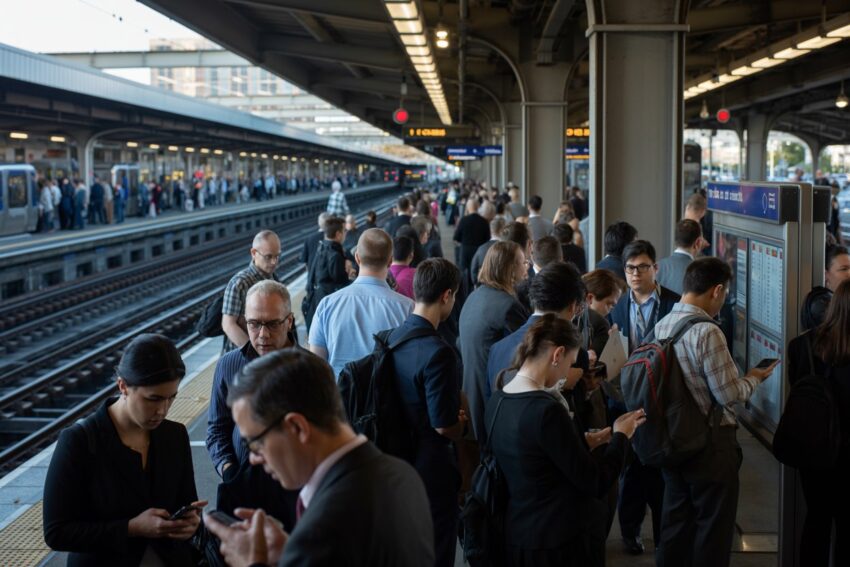
Image generated with Ai
A travel fright for commuters and visitors across New York’s metropolitan region is intensifying as a threatened strike by unionised staff of the Long Island Rail Road (LIRR) edges closer, with service potentially shutting down as early as Saturday, 16 May 2026. This commuter rail system, the busiest in the United States, currently carries nearly 300,000 passengers every weekday, connecting Long Island with New York City.
If a strike occurs, all LIRR services — including lines used by business travellers, airport‑bound commuters and tourists — would stop entirely, prompting severe travel disruption across the region. The Metropolitan Transportation Authority (MTA), which operates the railway, has warned that there is no substitute for the LIRR trains in terms of capacity and convenience, and that travellers should prepare now by exploring alternatives.
Advertisement
Advertisement
At the heart of this travel crisis is a deepening labour dispute between the MTA and the five unions representing approximately 3,500 railroad staff. Negotiations have focused on contract terms, particularly wage increases and work‑rule conditions, with neither side yet able to bridge its differences.
Why the Long Island Rail Road Labour Dispute Matters to Travellers
For thousands of residents, commuters and visitors moving between Long Island and Manhattan, the LIRR is more than just a commuter rail — it is a vital travel artery. Any disruption could affect not just daily travel routines but airport connections, tourism plans, business meetings and local travel schedules.
Advertisement
Advertisement
Union leaders are pushing for a fair wage structure that keeps pace with living costs, especially given Long Island’s high cost of housing and transport. In contrast, MTA officials argue that granting further wage increases beyond current offers could require steep fare hikes, workforce reductions or service cuts — a compromise many riders also fear could impact travel costs.
With less than a week before the strike deadline, both sides are racing against time to reach a deal. However, as of the latest update, talks remain deadlocked, leaving the spectre of a shutdown uncomfortably real.
Advertisement
Advertisement
MTA’s Official Advisory: What Travellers Should Do
According to an official notice published on the Metropolitan Transportation Authority website, the MTA urges all travellers — including commuters and visitors — to prepare for significant travel disruption if the strike begins on 16 May.
Key guidance issued by the agency includes:
Advertisement
Advertisement
- Avoid non‑essential travel: The MTA stresses that during a strike there would be no LIRR train service at all.
- Work from home if possible: Those with flexible schedules are encouraged to stay remote, reducing pressure on alternative transport systems.
- Plan extra travel time: Roads and alternative public transport are expected to be heavily congested due to additional passengers.
This official travel advisory echoes government transport guidance that the loss of such a vital rail link would jolt the region’s mobility system, creating ripple effects for both daily life and tourism.
Alternative Transport Options During the Strike
In its contingency planning, the MTA has unveiled limited travel alternatives for essential travel. While nothing can fully replace LIRR trains, authorities have announced shuttle bus services for critical travel corridors during peak hours.
Under this plan:
- Limited weekday shuttle buses will transport essential workers and those without telecommuting options to major subway hubs in Queens, such as Howard Beach‑JFK Airport and Jamaica‑179 Street.
- Nassau County’s NICE bus network will connect riders to subway terminals, albeit with expected overcrowding.
- Passenger drop‑off points for private vehicles will be designated near key Queens subway stations to ease transfers between road and rail networks.
Travel planners, commuters and visiting tourists are advised that these alternatives are limited, slow and unlikely to handle the volume typically carried by the LIRR — especially during peak hours.
Advertisement
Advertisement
Economic and Travel Impact: A Region on Alert
Transport officials are candid that a full LIRR service disruption would have far‑reaching consequences beyond mere inconvenience. A strike would not only affect daily commuters, but also airport transfers, tour operators, hotel arrivals, and business travel schedules in and out of New York City.
Congestion on east‑west road corridors is expected to rise sharply as commuters seek private cars, rideshare services and buses. Airport travel plans — especially those involving connections to John F. Kennedy International Airport (JFK) via rail links — may be significantly delayed or rerouted.
Transport analysts warn that the cumulative effect of a rail shutdown could ripple into the weekend tourism market, especially if the strike continues for multiple days without resolution.
What Negotiations Still Hang In the Balance
The core sticking point remains the unresolved contractual details between the MTA and LIRR unions. While terms for previous years have been agreed, negotiators remain far apart on the final year’s wage structure and work‑rule reforms.
MTA leaders have pointed to their offers — including possible wage increases and lump‑sum payments — but insist that the financial implications must be balanced with service sustainability. Meanwhile, unions argue that workers deserve wages that reflect the high cost of living on Long Island.
Despite further talks set before the strike deadline, neither side has yet to indicate a breakthrough, leaving travel planners and everyday commuters in a state of uncertainty.
Advertisement
Advertisement
Travel Tips for Residents and Visitors
Given the ongoing negotiation stalemate and the official strike warnings, travellers are urged to take the following preparatory steps:
- Confirm alternate routes and travel plans early.
- Check MTA service alerts and updates daily.
- Plan journey times with extra buffer periods.
- Consider telecommuting or rescheduling non‑critical travel.
- Use official transit agency resources and alerts only.
With transit officials warning that other transport modes could quickly become overwhelmed, early planning is critical for anyone relying on public transport — whether for business, commute or leisure travel.
Advertisement
