
Egypt Goes Hand In Hand With Iran, Qatar, Saudi Arabia, And More Middle East Countries As US Government Issues Fresh Security Alert To Protect Tourists, Help Bring Stranded Travellers Back Home With Real-Time Assistance, Emergency Support And Flight Updates Across Dubai, Doha, Riyadh, Petra And Abu Dhabi

Updated
Published
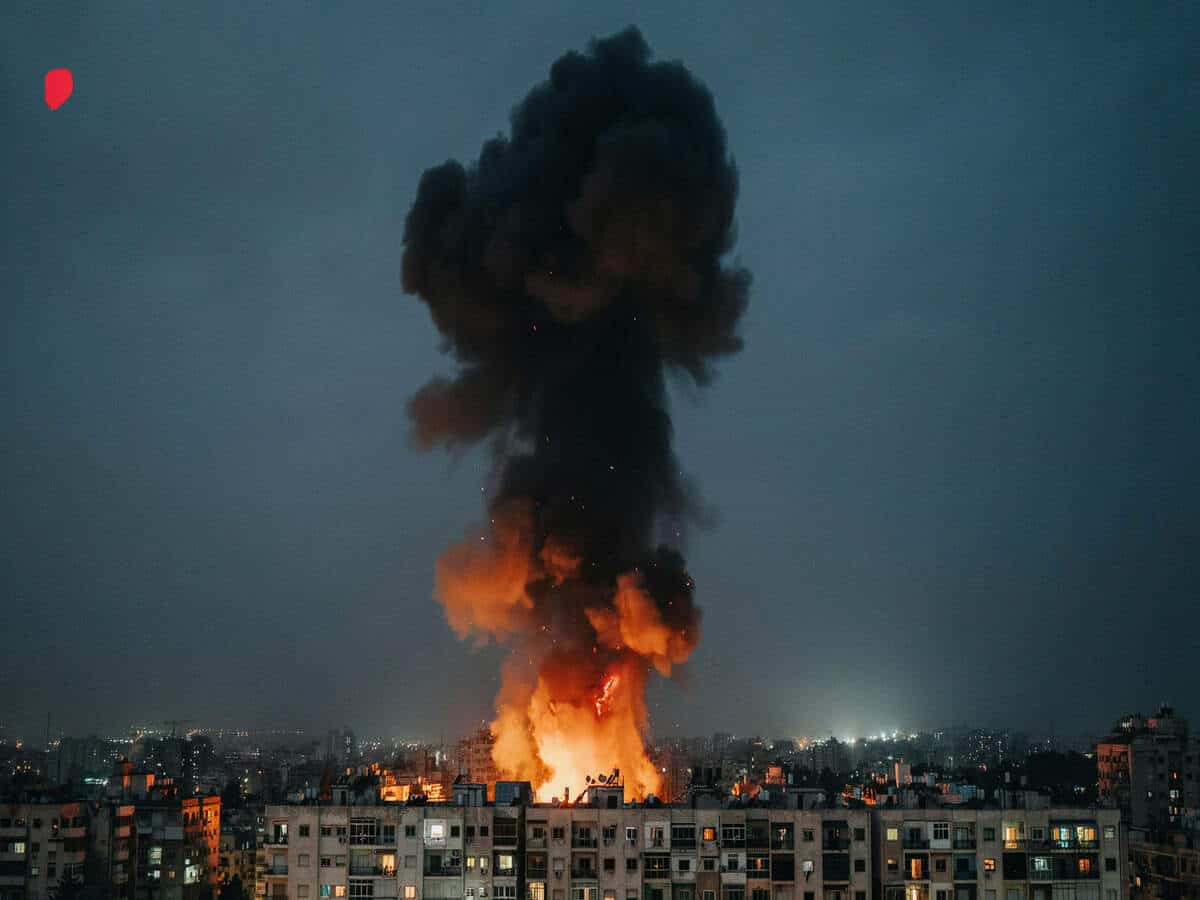
Image generated with Ai
Egypt goes hand in hand with Iran, Qatar, Saudi Arabia, UAE And More Middle East Countries As US Government Issues Fresh Security Alert To Protect Tourists, Assist Stranded Travellers And Provide Real-Time Travel Support Amid Rising Regional Tensions, as Washington strengthens communication with Americans abroad through embassy assistance, emergency alerts, STEP registration and flight disruption guidance while security concerns continue affecting travel confidence across Dubai, Doha, Riyadh, Petra, Abu Dhabi and the wider Middle East. The latest warning highlights the growing need for travellers to remain cautious, monitor official updates and prepare for possible changes as governments work to protect citizens and maintain safe international connectivity during an uncertain period.
The United States government has issued a fresh security alert warning Americans in the Middle East and around the world to exercise increased caution as regional tensions create a complex and unpredictable travel environment. The alert highlights possible risks including security threats, flight cancellations, temporary airspace closures and disruptions that could affect travellers across major destinations such as Dubai, Doha, Riyadh, Petra, Abu Dhabi and Cairo. At the same time, Washington is expanding traveller support through real-time alerts, embassy assistance, emergency communication channels and guidance designed to help Americans stay safe and return home if unexpected travel challenges occur.
Advertisement
Advertisement
Middle East Enters A New Period Of Travel Uncertainty As Security Risks Increase Across The Region
The Middle East remains one of the world’s most important tourism and aviation regions, connecting millions of travellers through some of the busiest airports on the planet. From the luxury attractions of Dubai and Abu Dhabi to the cultural treasures of Egypt and Jordan, the region continues to welcome international visitors for leisure, business and cultural experiences.
However, the security environment has become increasingly challenging as tensions have grown across the region. Since the escalation that began on 28 February, concerns have increased about possible wider impacts on neighbouring countries, international aviation and tourism movement.
Advertisement
Advertisement
The situation has created uncertainty for travellers because the Middle East is closely interconnected. A security incident in one area can quickly affect flight schedules, airport operations and passenger confidence across multiple countries.
Advertisement
Advertisement
The growing concerns have placed greater attention on:
- Regional security conditions
- Protection of international travellers
- Aviation stability
- Airport operations
- Emergency communication systems
- Government assistance for citizens abroad
The U.S. government has responded by increasing warnings and encouraging Americans to remain prepared, informed and connected with official authorities.
What Happened Since 28 February And Why Travel Risks Increased Across The Middle East
Since 28 February, tensions in the Middle East have created a more sensitive security environment, with governments across the region monitoring developments closely.
The situation has increased concerns about possible escalation and the potential impact on countries that play important roles in global tourism and aviation.
The effects have extended beyond areas directly connected to regional tensions because many Middle Eastern countries are closely linked through:
Advertisement
Advertisement
- Air travel networks
- Economic relationships
- Tourism flows
- Regional security arrangements
Major international hubs have become a key focus because millions of passengers rely on airports in the Gulf for connecting journeys.
Cities such as:
- Dubai
- Doha
- Abu Dhabi
- Riyadh
remain essential links between continents, meaning any disruption can create wider consequences for global travellers.
The possibility of sudden changes has encouraged governments and airlines to remain alert and prepare for unexpected developments.
US Government Warns American Travellers With Urgent Security Guidance
The U.S. Department of State has advised Americans in the Middle East and worldwide to exercise increased caution because the security environment remains complex.
The government is reminding travellers that conditions can change quickly and that they should remain aware of breaking developments.
American citizens are being advised to:
- Monitor local and international news
- Follow security alerts issued by U.S. embassies and consulates
- Review travel advisories before departure
- Follow instructions from local authorities
- Prepare for possible travel disruptions
The warning also highlights concerns that U.S. diplomatic facilities, including locations outside the Middle East, have faced threats.
The U.S. government has also warned that groups supportive of Iran may target locations connected with the United States or Americans overseas.
Advertisement
Advertisement
For travellers, the message is clear: awareness and preparation are essential during periods of regional uncertainty.
US Government Creates Traveller Safety Network With Real-Time Assistance And Emergency Support
Alongside issuing warnings, the U.S. government is supporting American travellers through multiple communication and assistance systems.
One of the most important tools is the Smart Traveler Enrollment Program (STEP).
STEP allows American travellers to receive:
- Security alerts
- Emergency messages
- Embassy updates
- Important information about their destination
The programme helps U.S. officials communicate with citizens during unexpected situations.
Advertisement
Advertisement
The government is also encouraging Americans to follow:
- U.S. Department of State security updates
- Embassy and consulate announcements
- The “U.S. Department of State – Security Updates for U.S. Citizens” WhatsApp channel
- @TravelGov updates on X
These channels provide travellers with faster access to important information when conditions change.
US Embassies And Consulates Support Americans During Emergencies
U.S. diplomatic missions remain a critical support system for Americans abroad.
During periods of uncertainty, embassies and consulates provide travellers with:
- Security information
- Emergency guidance
- Local updates
- Assistance during difficult situations
The U.S. government is advising Americans abroad to follow instructions from the nearest embassy or consulate.
Advertisement
Advertisement
For travellers facing sudden problems, diplomatic support can provide important guidance on available options and safety measures.
This assistance network is designed to help Americans remain connected even when normal travel conditions are disrupted.
Iran Remains A Major Focus Of Regional Security Concerns
Iran remains one of the most closely monitored countries because regional tensions involving Tehran can influence security conditions across the wider Middle East.
The situation has increased concerns about:
- Regional instability
- Possible security incidents
- Travel uncertainty
- Impact on neighbouring countries
Because many countries in the region are geographically connected, developments involving Iran can affect aviation routes, tourism confidence and government security planning.
Advertisement
Advertisement
Travellers are being advised to remain cautious and review official information before making travel decisions.
Qatar Faces New Travel Challenges While Doha Remains A Global Aviation Gateway
Qatar continues to hold an important position in international travel.
Doha is one of the world’s major aviation hubs, connecting passengers across continents and supporting millions of journeys every year.
However, regional tensions have increased concerns about possible travel disruptions.
Potential challenges include:
Advertisement
Advertisement
- Flight delays
- Schedule changes
- Airspace-related restrictions
- Increased airport security measures
Travellers passing through Doha are advised to remain flexible and check updates regularly.
Qatar’s importance in global aviation means any regional disruption can affect passengers far beyond the Middle East.
UAE Protects Dubai And Abu Dhabi As Tourism Giants Face Regional Pressure
The United Arab Emirates remains one of the most popular tourism destinations in the world.
Dubai and Abu Dhabi continue attracting international visitors through:
- Luxury hotels
- Shopping
- Business events
- Cultural attractions
- Global aviation connections
However, regional uncertainty has increased attention on travel safety.
Advertisement
Advertisement
Possible challenges include:
- Flight disruptions
- Temporary airspace issues
- Changing travel schedules
- Increased security procedures
For tourists visiting the UAE, staying informed and following official guidance has become increasingly important.
Saudi Arabia Balances Tourism Growth With Increased Security Awareness
Saudi Arabia has become a major emerging tourism destination, attracting visitors for religious journeys, cultural experiences and business travel.
Cities such as Riyadh and Jeddah continue expanding their international tourism presence.
However, regional tensions have created additional security concerns.
Advertisement
Advertisement
Travellers are advised to remain aware of:
- Regional developments
- Security announcements
- Possible travel changes
The country remains an important destination, but traveller confidence depends on safety and stability.
Jordan Protects Petra Tourism As Regional Developments Create New Challenges
Jordan remains one of the Middle East’s most iconic tourism destinations.
Visitors from around the world travel to experience:
- Petra
- The Dead Sea
- Ancient heritage sites
- Cultural attractions
However, Jordan’s location within a sensitive regional environment means travellers are being advised to stay alert.
Advertisement
Advertisement
Potential concerns include:
- Regional spillover effects
- Security incidents
- Changing travel conditions
Protecting tourism confidence remains a priority as travellers continue monitoring developments.
Egypt Continues Tourism Operations While Watching Regional Security Developments
Egypt remains a global tourism powerhouse, attracting millions of visitors to:
- The pyramids
- Cairo’s historic attractions
- Nile experiences
- Red Sea resorts
The country plays a major role in Middle Eastern tourism and continues focusing on maintaining visitor confidence.
However, regional tensions have increased the importance of traveller awareness.
Advertisement
Advertisement
Visitors are encouraged to:
- Follow official updates
- Stay informed
- Maintain caution during travel
Egypt’s tourism industry remains closely connected to regional stability.
Bahrain, Kuwait And Oman Face Wider Gulf Security Concerns
Bahrain, Kuwait and Oman are also affected by the wider regional security environment.
These countries are important for:
- Gulf connectivity
- Business travel
- Regional movement
Travellers may face challenges linked to:
Advertisement
Advertisement
- Changing security conditions
- Possible transport disruptions
- Increased monitoring
The U.S. government advises Americans visiting these destinations to stay informed and follow official guidance.
Israel, Iraq, Lebanon, Syria, Yemen And Gaza Remain Sensitive Travel Areas
Several destinations continue facing serious security concerns.
These include:
- Israel
- Iraq
- Lebanon
- Syria
- Yemen
- Gaza and surrounding areas
Travellers may face risks related to:
- Security instability
- Political tensions
- Conflict-related developments
- Limited travel options
Americans are advised to carefully review destination information before travelling to sensitive areas.
Advertisement
Advertisement
Flight Cancellations And Airspace Closures Create Global Travel Disruptions
One of the biggest concerns highlighted by the U.S. government is the possibility of aviation disruption as regional tensions continue affecting travel confidence across the Middle East. Security concerns can directly influence airline schedules, flight routes, airport operations and passenger movement, forcing airlines and travellers to prepare for sudden changes.
The impact has already been visible through rising flight disruptions across the region. On 16 July, Middle Eastern aviation networks recorded 265 flight cancellations and 1,139 flight delays, showing the pressure faced by airlines operating through major regional hubs. Although conditions improved slightly on 18 July, with 170 cancellations and 829 delayed flights, disruption remained significant. By 19 July, cancellations reached 178 flights, while delays increased again to 1,126 flights, highlighting continued uncertainty across regional air travel.
Travellers may experience:
- Flight delays
- Cancellations
- Route changes
- Rerouting through alternative airports
- Longer journey times
- Unexpected schedule adjustments
Passengers travelling through major Middle Eastern hubs are encouraged to remain flexible, check airline updates regularly and maintain contact with carriers for the latest information before and during their journeys.
What Travellers Should Do Before Visiting The Middle East
The U.S. government recommends several steps for Americans planning travel.
Advertisement
Advertisement
Before departure:
- Check the latest security information
- Register with STEP
- Save embassy contact details
- Monitor airline updates
- Understand local safety guidance
During travel:
- Stay aware of surroundings
- Avoid unnecessary risks
- Follow official instructions
- Monitor new alerts
Preparation can help travellers respond quickly if conditions change.
Middle East Tourism Faces A Defining Challenge As Governments Focus On Traveller Protection
The Middle East remains a region of extraordinary tourism opportunities, combining ancient history, modern cities, luxury experiences and world-class aviation networks.
Destinations such as Dubai, Abu Dhabi, Doha, Riyadh, Petra and Cairo continue representing some of the most attractive travel experiences in the world.
Advertisement
Advertisement
However, the latest security environment has created new challenges for travellers, airlines and tourism industries.
The U.S. government’s latest warning reflects the importance of staying informed and prepared.
Through real-time alerts, embassy assistance, emergency communication and traveller support systems, Washington is helping Americans navigate uncertainty while encouraging them to remain cautious.
Egypt goes hand in hand With Iran, Qatar, Saudi Arabia, UAE And More Middle East Countries As US Government Issues Fresh Security Alert To Protect Tourists, Assist Stranded Travellers And Provide Real-Time Travel Support Amid Rising Regional Tensions, as Washington strengthens emergency communication, embassy assistance and travel guidance to help Americans navigate possible security risks, flight disruptions and changing conditions across Dubai, Doha, Riyadh, Petra, Abu Dhabi and the wider Middle East.
For travellers heading to the Middle East, the priority remains clear: stay updated, follow official guidance and be prepared for changing travel conditions.
Advertisement
